
You glance down mid-flush and notice bubbles that just won't disappear. Cue the online searching, and probably a bit of quiet panic. The short answer: most of the time, foamy urine is nothing to worry about, it's just physics. But there's a specific pattern worth knowing, because occasionally, foam really is your body flagging something. Dr Prasad Mylarappa walks through exactly how to tell the difference.
What Causes Foamy Urine?
Dr Prasad Mylarappa, Head of Department and Consultant, Department of Urology, Ramaiah Memorial Hospital, Bengaluru, has heard this worry more times than he can count. "Not always, and this is actually one of the over-searched, needlessly anxiety-inducing symptoms in the world," he says.
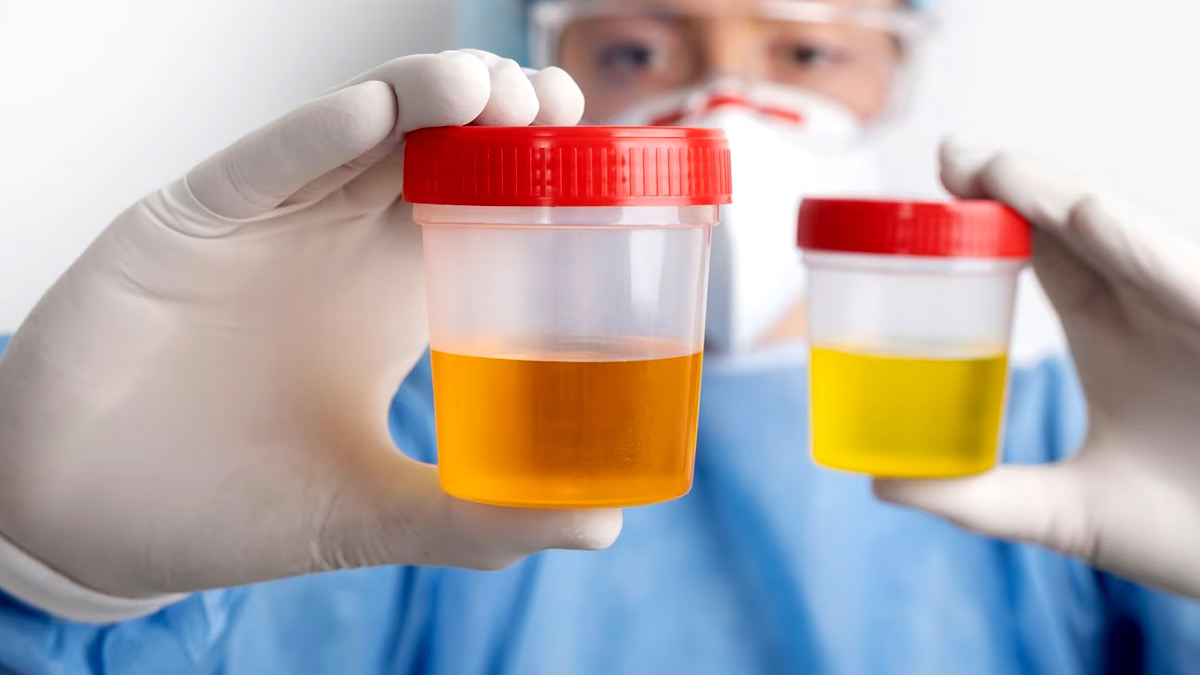
Some urine is normal and has a very easy and harmless cause of foaming. But, he adds, "with that being said, there is a caveat, foamy urine can sometimes be a warning sign, especially if it persists or if there are other symptoms. It is the trick, he says, to distinguish an explanation that is passing from one that requires a doctor's attention.
Why Does Urine Foam in the First Place?
Turns out, most foam has a pretty unglamorous explanation. Dr Mylarappa breaks it down:
- The most common cause is simply the force and speed of urination hitting the water in the toilet bowl, a bit like shaking a bottle of water and watching bubbles form. It usually disappears within seconds.
- First-morning urine is more concentrated than the later urine of the day as it is urine from a period of not drinking much.
- Later urine throughout the day will be diluted and will foam more easily than the more concentrated 1st morning urine.
- Sometimes the urine will foam for a short period of time due to a change in diet or drinking habits, or due to the use of certain medications, supplements, or even as a side effect of another medicine.
- However, if the foam persists and is dense, like bubble bath, it can mean that there is protein in the urine, which is called proteinuria, and that's worth investigating.
- Proteinuria can be caused by many different factors, some of which are entirely benign such as dehydration, fever or heavy exercise and others that are truly related to kidney function.
What Does Persistent Foamy Urine Actually Mean, Medically?
Here's the science behind it. Protein, mainly albumin, isn't normally found in urine in any meaningful amount, because healthy kidneys filter it back into the bloodstream instead of letting it pass through. When the kidneys' filtering units, called nephrons, are damaged or under strain, protein starts leaking into the urine, and that's exactly what creates that thick, lingering foam.

Conditions linked to this include diabetes, high blood pressure, and various forms of kidney disease, all of which can gradually chip away at kidney filtration over time. A urinary tract infection or dehydration can also cause temporary proteinuria that clears up once the underlying issue is treated.
This tracks with current clinical guidance. A 2025 review in The Permanente Journal confirms that large amounts of urinary protein can indeed cause visibly foamy urine, though smaller, still-clinically-relevant amounts of proteinuria often show no symptoms at all and only turn up on a lab test. The review references the KDIGO 2024 guidelines, which recommend proteinuria screening specifically for people with diabetes, hypertension, cardiovascular disease, or a family history of chronic kidney disease.
Harmless Foam or Something to Worry About? A Quick Home Check
Dr Mylarappa offers a simple way to tell the two apart:
- Harmless foam from urination force is light, thin, and gone within a few seconds to a minute.
- Concerning foam is persistent and dense, closer to beaten egg whites or bubble bath, and lingers well after you've finished.
- A useful test: does it only happen occasionally, especially with concentrated morning urine, or does it happen every single time regardless of hydration?
- Foam on its own, with nothing else going on, is far less worrying than foam paired with swelling in the legs, ankles, or around the eyes, fatigue, or a change in how often you're urinating.
When Should You Actually See a Doctor?
According to Dr Mylarappa, book an appointment if:
- The foam shows up persistently across multiple urinations, over several days to weeks, not just once.
- It comes with swelling in the legs, feet, ankles, or around the eyes, which can point to fluid retention linked to kidney trouble.
- There's unexplained fatigue, reduced appetite, or a noticeable change in how often you're urinating.
- You already have risk factors like diabetes or high blood pressure, which put kidney function under closer watch anyway.
- Foam shows up alongside visible blood in the urine, significant pain, or fever, all of which need prompt evaluation regardless of the foam itself.
What Tests Actually Check the Cause?
The first step is typically a simple dipstick urine test and it will readily detect the presence of protein.
- If the dipstick says "flag," a urine albumin-to-creatinine ratio (UACR) test will provide a more accurate measurement of the amount of protein in the urine.
- Routine blood tests of kidney function such as creatinine and eGFR may also be performed to get a complete picture along with urine testing.
- Additional tests may include blood pressure measurements, blood sugar tests or referral to a kidney specialist if there is a confirmed loss of a lot of protein.

Catching this early matters. A 2025 cross-sectional study from PubMed in the Netherlands tested a home-based albuminuria screening programme in over 3,000 high-risk primary care patients and found it meaningfully improved detection of chronic kidney disease that would otherwise have gone unnoticed, reinforcing just how useful a simple urine test can be before symptoms like persistent foam even show up.
Can You Prevent Foamy Urine?
Dr Mylarappa's advice for keeping ahead of it:
- Stay adequately hydrated, since this naturally dilutes urine and reduces harmless, concentration-related foaming.
- Control other health problems such as diabetes and high blood pressure; these conditions impair kidney function over time.
- Continue routine urine testing, which can detect early kidney changes before symptoms such as persistent foamy urine even occur and other tests.
- Don't take over-the-counter pain medications that shouldn't be taken for a long period of time as some medicines may have an effect on your kidneys over time.
ALSO READ- Kidney Stones or Urine Infection? 7 Signs That Can Help You Tell the Difference
Conclusion
Foamy urine is usually caused by the action of physics, not something to get worried about. However, if the foam is thick and lasts a long time, particularly when combined with fatigue and/or swelling, it is important to talk to a doctor. Generally the question can be answered either way with a simple urine test.
FAQ
1. Can certain foods make urine foam more than usual?
Not essentially, however small children may even exhibit short-lived proteinuria as a result of fever, dehydration or intense exercise, typically resolving on its own. If any child continues to have foamy urine, it should still be noted to a paediatrician following the same general rules as for adults.2. Does foamy urine mean something different in children compared to adults?
Not fundamentally, though children can sometimes show transient proteinuria simply from fever, dehydration, or vigorous physical activity, which usually resolves on its own. Persistent foamy urine in a child is still worth mentioning to a paediatrician, using the same general principles that apply to adults.
All possible measures have been taken to ensure accuracy, reliability, timeliness and authenticity of the information; however Onlymyhealth.com does not take any liability for the same. Using any information provided by the website is solely at the viewers’ discretion. In case of any medical exigencies/ persistent health issues, we advise you to seek a qualified medical practitioner before putting to use any advice/tips given by our team or any third party in form of answers/comments on the above mentioned website.
How we keep this article up to date:
We work with experts and keep a close eye on the latest in health and wellness. Whenever there is a new research or helpful information, we update our articles with accurate and useful advice.
-
Current Version
Sep 07, 2026 18:16 IST
Published By : Vivek Kumar
Reviewed By : Dr Prasad Mylarappa