
Abdominal pain on its own can mean a dozen different things. Add blood in the urine to the mix, and it narrows the list considerably, often pointing straight to the urinary tract. It's no accident that these two symptoms are happening at the same time, and it's not something you can shrug off.
Abdominal pain and blood in urine are generally related, as they both are linked to the same system, namely the kidneys, ureters, bladder and urethra. Once you know this common route, it is much easier to understand what is really happening and when it is time to get checked.
What Is the Link Between Abdominal Pain and Blood in Urine
Dr Prasad Mylarappa, Head of Department and Consultant, Department of Urology, Ramaiah Memorial Hospital, Bengaluru, explains why these two symptoms so often appear side by side. "Both symptoms usually indicate the urinary tract, as the condition of kidneys, ureters, bladder and urethra can lead to pain along with blood in the urine.”

It may be visible or only seen under a microscope. When they coexist, Dr Mylarappa adds, "it typically indicates that something is going on inside this system, not two problems that are unrelated.”
ALSO READ- Can Kidney Stones Cause Blood in Urine? Causes, Signs & When to See a Doctor
What Are the Common Causes of Abdominal Pain and Blood in Urine?
According to Dr Mylarappa, several conditions can produce both symptoms at once:
- One of the most common causes of this combination is a UTI (urinary tract infection)
- Kidney stones can lead to sudden pain in the abdomen or back of the body, known as flank pain, along with blood in the urine as the stone passes through the urinary tract
- Infection or inflammation in the bladder
- Kidney infections that tend to be more painful and include fever
- Occasional blood with urinary symptoms common in men due to an enlarged prostate
- Tumours of the bladder or kidney, requiring prompt investigation if suspected
- Abdominal or pelvic trauma/injury
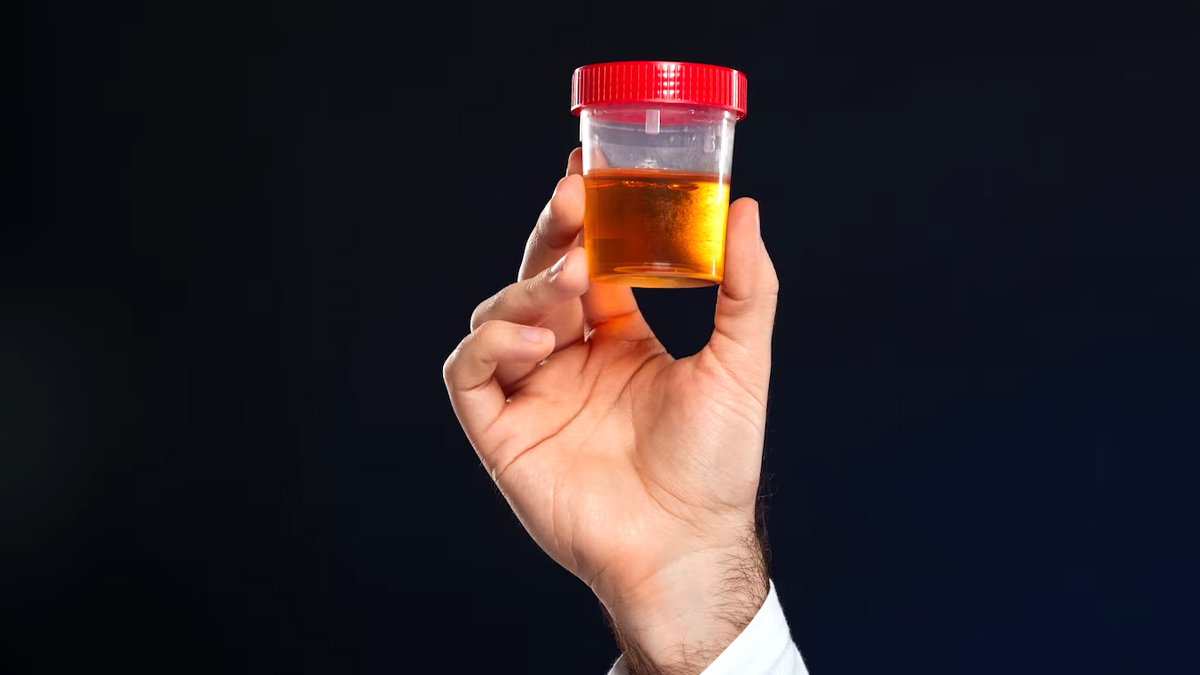
Kidney stones in particular have a well-documented link to both symptoms. A clinical review from Endotext on renal colic notes that gross or microscopic blood in the urine appears in 60% to 90% of patients with the condition, alongside the characteristic pain as a stone moves through the urinary tract.
This happens when a stone travels through your urinary system. As the stone moves, it scratches the lining of your urinary tract. This action causes both the pain and the bleeding. Because this affects a shared system in your body, these symptoms often appear together.
Hematuria itself is far from rare in general, either. A 2025 study published in JMIR Formative Research, which reviewed hundreds of patient charts to evaluate current diagnostic guidelines, notes that hematuria accounts for over 20% of all urological evaluations, with reported prevalence ranging widely depending on the population studied.
How Are Abdominal Pain and Blood in Urine Actually Connected?
Dr Mylarappa explains the mechanism simply. "The urinary system runs from the kidneys through the ureters to the bladder and out through the urethra. Irritation, infection, blockage, or injury anywhere along this pathway can trigger both pain and bleeding simultaneously, since the same structures are involved in both symptoms." He gives a clear example: "A kidney stone, for instance, can scratch the lining of the urinary tract as it passes, causing both pain and blood at the same time."
Is It Different in Men and Women?
To some extent, yes, says Dr Mylarappa.
"In men, an enlarged prostate or prostate-related conditions can be an additional cause of these symptoms. In women, urinary tract infections tend to be more common overall, partly due to anatomical differences, and can present with these combined symptoms more frequently."
He notes that in both sexes, kidney stones and infections remain among the most common shared causes.

This sex-based pattern shows up in kidney infection data too. According to the medical review on Acute Pyelonephritis published in StatPearls, urinary tract and kidney infections affect men and women differently due to key anatomical factors.
It was found that up to about 40% of young women with the infection show gross. It is visible blood in the urine, a rate much less common in men experiencing the same infection.
Women are significantly more prone to ascending urinary tract infections. This is largely because a shorter female urethra allows bacteria to reach the bladder and kidneys much more easily. As a result, women experience higher rates of cystitis symptoms, such as burning during urination and blood in the urine.
In men, these infections occur less often in general. If urinary symptoms do occur, they are often associated with structural outflow problems like an enlarged prostate or urinary stasis.
Urinary blockages, particularly from kidney stones in both sexes, are still a key common risk factor for both sexes. It can also allow bacteria to collect, block bladder emptying and cause extreme inflammation in the kidneys.
When Should You See a Doctor?
Dr Mylarappa recommends seeking medical attention if:
- No pain, but blood in the urine is visible.
- Flank or abdominal pain is sharp and doesn't get better.
- With these symptoms, there's also fever, which may mean you have a kidney infection.
- Urine output is reduced, painful or difficult.
- Symptoms last for more than a couple of days.
- Weight loss and urinary symptoms that are not explained, and should be evaluated promptly.
Can It Be Prevented?
Some preventive steps can lower your risk, according to Dr Mylarappa:
- Drinking plenty of fluids to prevent kidney and bladder problems.
- Adopting proper hygiene practices to minimise UTI risk.
- Avoiding holding urine for long periods.
- Regular follow-up to manage other health issues such as an enlarged prostate.
Taking appropriate measures to reduce salt intake and oxalate in diet, as per medical advice, if a kidney stone patient.
What Are the Treatment Options?
Treatment depends entirely on the underlying cause. Dr Mylarappa outlines the main approaches:
- Antibiotics for infections.
- Treatment for kidney stones, if necessary, and pain control.
- Medications or surgical treatment, if needed, for an enlarged prostate.
- Further imaging and evaluation if there is a suspicion of a tumour or structural problem, and treatment will be based on diagnosis.
ALSO READ- When Does Frequent Urination Become a Cause of Concern?
Conclusion
When you have both stomach pain and blood in your urine, it is usually not a coincidence. Both symptoms often happen because of an issue in your urinary tract, which includes your kidneys, bladder, and other connecting parts. Because they share the same system, one problem can easily cause both signs at the same time.
Ignoring these symptoms can make the problem worse, so it is important to take them seriously. Early treatment helps you recover faster and prevents complications. If you experience these symptoms, please see a healthcare professional for guidance.
thumbnail image credit: Google Gemini AI
FAQ
1. Is dehydration the only cause of blood in urine and abdominal discomfort?
Rarely, severe dehydration can lead to visible blood in the urine. This can lead to urine becoming more concentrated and increase the risk of kidney stones, which in turn can cause blood in the urine.2. If there is blood in the urine after physical activity, is there something wrong with it?
Not necessarily. Sometimes blood in the urine is caused by strenuous physical activity, especially long-distance running, but is not harmful.
All possible measures have been taken to ensure accuracy, reliability, timeliness and authenticity of the information; however Onlymyhealth.com does not take any liability for the same. Using any information provided by the website is solely at the viewers’ discretion. In case of any medical exigencies/ persistent health issues, we advise you to seek a qualified medical practitioner before putting to use any advice/tips given by our team or any third party in form of answers/comments on the above mentioned website.
How we keep this article up to date:
We work with experts and keep a close eye on the latest in health and wellness. Whenever there is a new research or helpful information, we update our articles with accurate and useful advice.
-
Current Version
Aug 20, 2026 14:54 IST
Published By : Vivek Kumar
Reviewed By : Dr Prasad Mylarappa