
Kidney stones and urinary tract infections (UTIs) are often confused as the same conditions because of their overlapping symptoms. However, they are two completely different conditions, even though both of them affect the urinary system. A kidney stone is a hard mineral and salt deposit, while a UTI is a bacterial infection. Today, we will explain how you can differentiate between the two.
To understand this better, we reached out to Dr Shashank MS, Consultant, Urology and Renal transplant, Aster CMI Hospital, Bangalore and Dr Susheel Kharbanda, Senior Consultant, Urology, RG Hospitals, Rajouri Garden, Delhi.
Kidney Stones vs UTI: How to Tell the Difference
Dr Shashank says that kidney stones and urinary tract infections can both cause pain and problems while passing urine, but they are different conditions that require different treatments. On this note, the expert shares some differences under certain key factors:
Definition
Kidney stones are hard mineral deposits that form inside the kidneys and may block the flow of urine, while a UTI is usually caused by bacteria infecting the urinary tract.
Symptoms
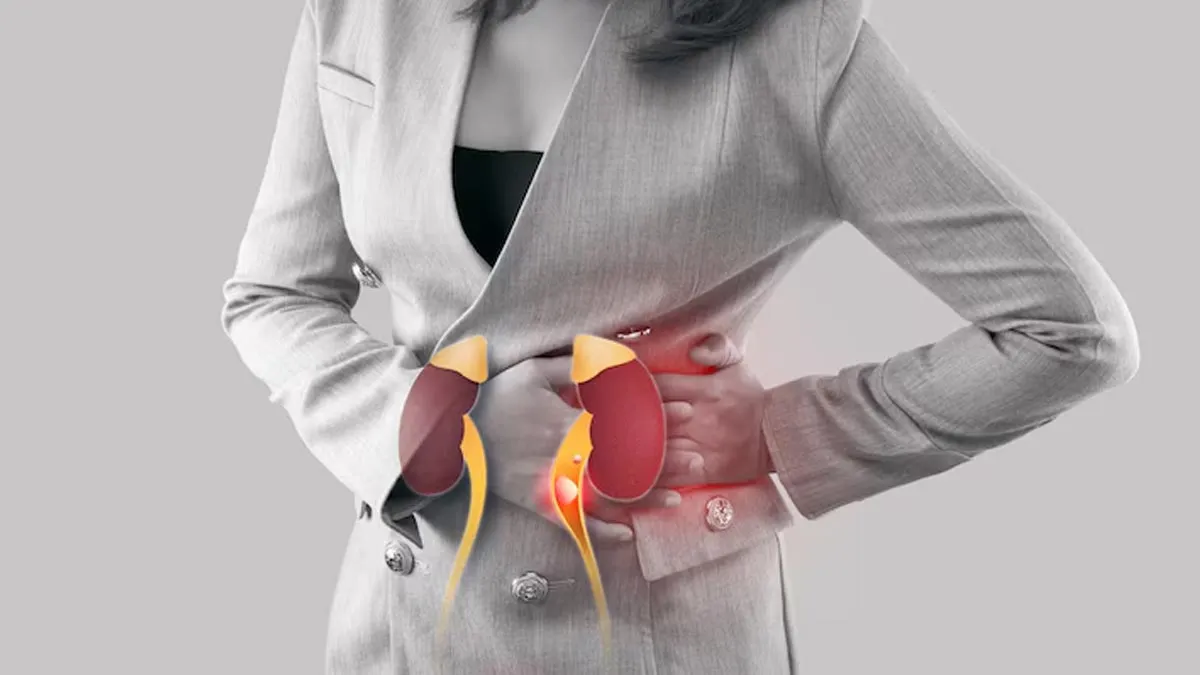
Kidney stones often cause:
- Sudden, severe pain in the back, side, or lower abdomen that may spread to the groin Blood in the urine
- Nausea
- Vomiting
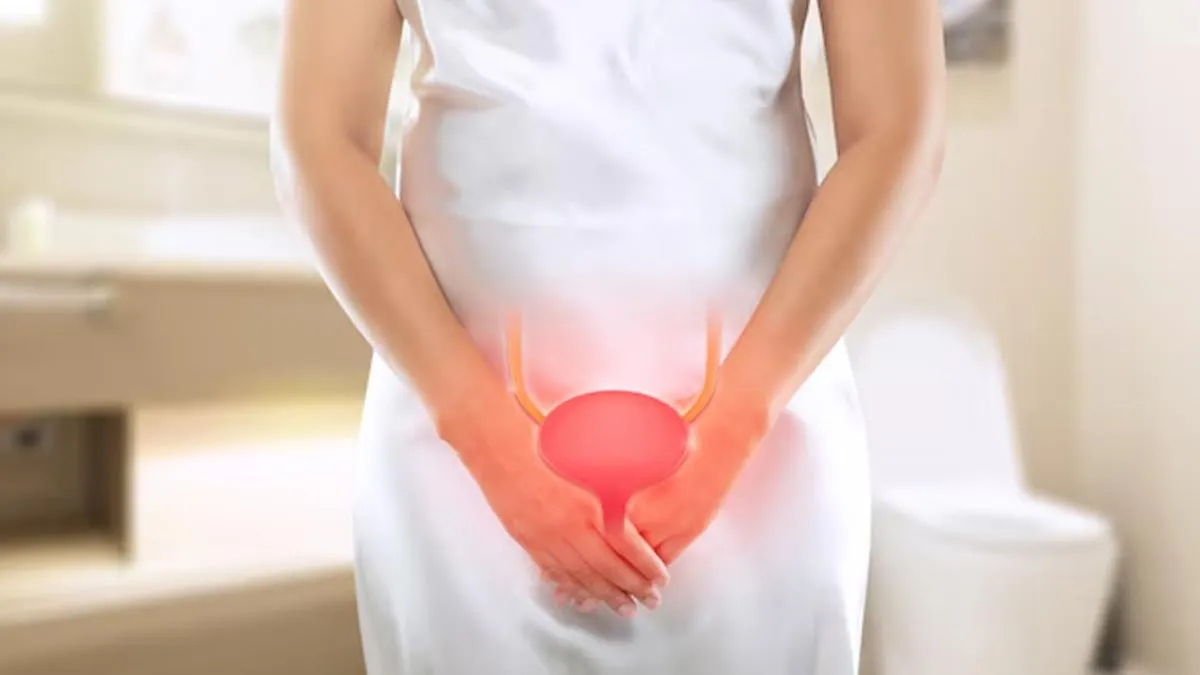
In contrast, a UTI commonly causes:
- A burning sensation during urination
- Frequent urge to urinate
- Cloudy or foul-smelling urine
- Discomfort in the lower abdomen.
 kidney stone vs UTI 1
Dr Shashank says that although some symptoms overlap, certain signs can help distinguish between the two conditions. He explains, “People with kidney stones usually experience waves of intense pain that come and go as the stone moves through the urinary tract. They may also find it difficult to stay still because of the severity of the pain.”
Dr Shashank adds, “A UTI, on the other hand, is more likely to cause fever, chills, burning during urination, and a constant urge to pass small amounts of urine. If the infection spreads to the kidneys, it can also cause back pain, fever, nausea, and vomiting, making it harder to tell the difference without medical evaluation and laboratory tests.”
How To Diagnose Kidney Stones and UTI
Dr Kharbanda says that because symptoms of both these conditions can overlap, medical evaluation is essential. The expert adds, “An urine test can detect infection or blood, while an ultrasound or CT scan helps identify kidney stones. Self-medication, particularly with antibiotics, should be avoided without a proper diagnosis.”
Adding to this, Dr Shashank says, “It is important not to ignore symptoms because both kidney stones and UTIs can lead to complications if left untreated. Small kidney stones may pass naturally with plenty of fluids and pain relief, while larger stones may require medical procedures to remove them.”
 kidney stone vs UTI 2
Tips To Deal With UTI and Kidney Stones
Dr Shashank shares how you can deal with UTIs. He says that UTIs are usually treated with antibiotics, and drinking enough water can support recovery. The expert adds, “However, anyone with severe pain, high fever, persistent vomiting, difficulty passing urine, or blood in the urine should seek medical attention immediately to prevent kidney damage and other serious complications.”
On this note, Dr Kharbanda shares some tips that can help you stay safe while dealing with kidney stones:
- Staying well-hydrated.
- Maintaining good hygiene.
- Seeking early medical care for persistent urinary symptoms can help prevent complications.
- Prompt diagnosis ensures timely treatment, reducing the risk of kidney damage, recurrent infections, or obstruction caused by stones.
 kidney stone vs UTI 3
What is The Hidden Link Between Kidney Stones and UTI
A 2022 study, published in the Springer Nature journal, explores the complex ‘chicken-and-egg’ relationship between kidney stones and recurrent urinary tract infections. The researchers analysed 17 different medical studies to understand whether these two painful conditions can occur at the same time. They identified a very strong link, proving that kidney stones and UTIs are not just commonly found together but often directly cause one another.
Kidney stones can block the normal flow of urine; this blockage creates a stagnant environment in the urinary tract. This may cause bacteria to easily multiply and hide, inevitably leading to an infection. On the other hand, regular UTIs introduce bacteria that can change the chemical environment of your urine. These bacterial changes can actively lead to the formation of new kidney stones. This is how a frustrating loop gets created.
The study concluded with doctors recommending that patients experiencing both these conditions together should undergo proactive stone removal. They should also receive targeted antibiotic therapy to completely break this vicious cycle.
ALSO READ- Surgical Options for Kidney Stones: A Complete Guide
Conclusion
Kidney stones and UTIs share multiple similar symptoms. However, they are two different conditions that can sometimes trigger one another in a painful cycle. Since they share a complex relationship, relying solely on self-medication can be dangerous. It is always advisable to consult a professional and get medical diagnosis done, to receive the correct treatment. To conclude, you can successfully manage these conditions by staying hydrated, practicing good hygiene, and seeking prompt medical care at the first sign of discomfort.
FAQ
What are the first warning signs of kidney stones?
Key early indicators include sharp pain in your back or side below the ribs, pink or red blood in your urine, and a frequent or painful urge to urinate.How long does it take for a UTI to turn into a kidney stone?
In most cases, a UTI can progress to a kidney infection within a few days to a week if left untreated.
All possible measures have been taken to ensure accuracy, reliability, timeliness and authenticity of the information; however Onlymyhealth.com does not take any liability for the same. Using any information provided by the website is solely at the viewers’ discretion. In case of any medical exigencies/ persistent health issues, we advise you to seek a qualified medical practitioner before putting to use any advice/tips given by our team or any third party in form of answers/comments on the above mentioned website.

How we keep this article up to date:
We work with experts and keep a close eye on the latest in health and wellness. Whenever there is a new research or helpful information, we update our articles with accurate and useful advice.
-
Current Version
Aug 06, 2026 16:50 IST
Published By : Shruti Das
Reviewed By : Dr Shashank MS