
Are you experiencing discomfort, pain, or bleeding in the anal region? This can seem alarming and leave you unsure whether it is a fissure or haemorrhoids. These conditions are often mistaken for one another as both affect the lower rectum and share overlapping symptoms such as bright red blood. However, they are structurally different and need different approaches to treat. Understanding the differences between the two is crucial because misdiagnosing your symptoms can delay proper treatment.
To help clear up the confusion, our medical expert, Dr Shireen Furtado, Senior Consultant, Medical and Cosmetic Dermatology, Aster CMI Hospital, Bangalore, explains the key differences between a fissure and haemorrhoids.
Fissure vs Haemorrhoids: How Can You Differentiate?
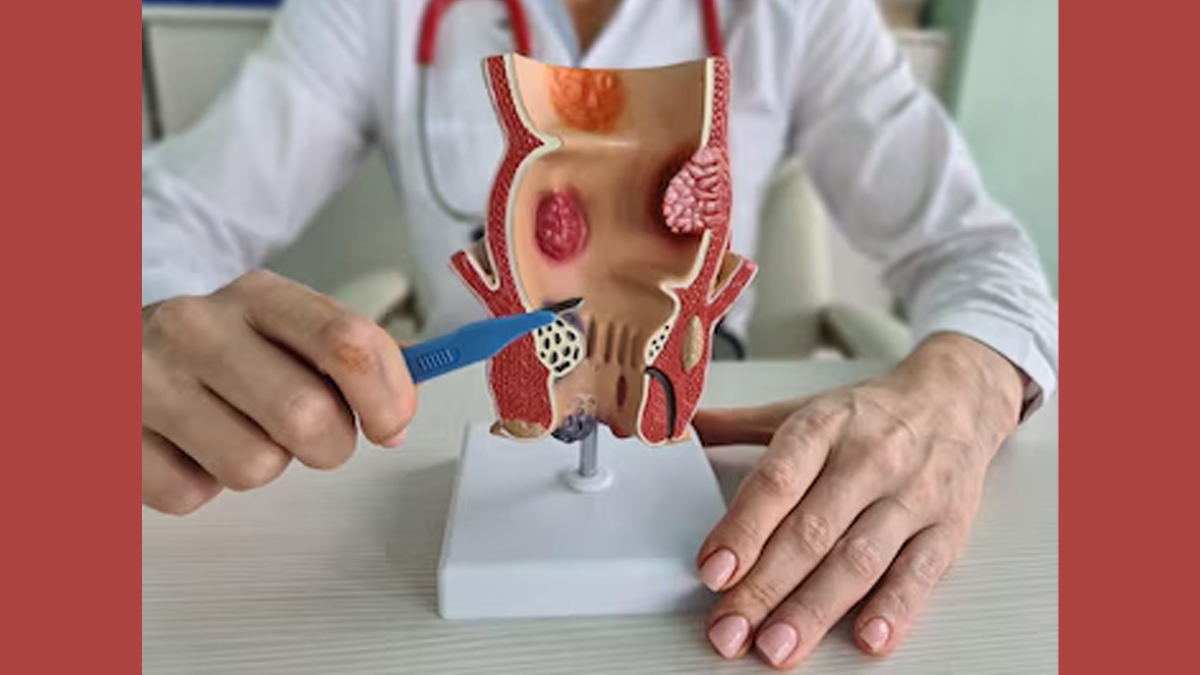
Let us get straight to the point – how can you differentiate between an anal fissure and haemorrhoids? Dr Furtado says that an anal fissure is a small tear in the skin around the anus, while haemorrhoids (piles) are swollen and enlarged veins in or around the anus and lower rectum.
The expert further explains, “A fissure usually causes sharp, severe pain during and after passing stool, along with a small amount of bright red bleeding, whereas haemorrhoids often cause painless bleeding, itching, swelling, discomfort, or a lump near the anus, although external haemorrhoids can become painful if a blood clot forms.”
Dr Furtado continues, “Fissures are commonly caused by passing hard stools, constipation, or repeated diarrhoea; while haemorrhoids are linked to chronic constipation, straining during bowel movements, pregnancy, obesity, prolonged sitting, and ageing.”
 fissure vs piles 1
A 2019 study, published in the Annals of Gastroenterology journal, says that haemorrhoids and anal fissures are both common conditions that affect the lower rectum and anus. However, the research mentions that they are structurally very different. Shedding more light on this, it adds that haemorrhoids are swollen, engorged clusters of blood vessels and connective tissues that can appear either internally or externally. On the other hand, an anal fissure is a physical tear or cut in the delicate tissue lining the anal canal.
The study notes that internal hemorrhoids usually cause painless bleeding, while external hemorrhoids can form painful, tender lumps. And anal fissures are characterised by sharp, severe tearing pain that occurs during and right after bowel movements. The research concludes that while both conditions cause bright red rectal bleeding and benefit from dietary fibre, their specific medical and surgical treatments are different.
 fissure vs piles 2
Fissure vs Haemorrhoids: Know The Symptoms
People are often confused between the two conditions because their symptoms seem similar. Dr Furtado says, “The symptoms of these two conditions can sometimes look similar, but the type of pain is an important difference.”
The expert further explains, “People with an anal fissure often describe intense, cutting pain that can last for several minutes or even hours after a bowel movement, making them afraid to use the toilet.”
Speaking about the symptoms of haemorrhoids, the expert shares, “People with haemorrhoids are more likely to notice bleeding, itching, a feeling of fullness, or a soft lump around the anus. Both conditions can occur at the same time, so a proper medical examination is important if symptoms continue or become severe.”
 fissure vs piles 3
Fissure vs Haemorrhoids: How To Treat?
Dr Furtado says that most anal fissures and haemorrhoids can be treated without surgery by increasing fibre in the diet, drinking plenty of water, avoiding straining during bowel movements, exercising regularly, and using warm sitz baths to reduce pain and improve healing.
The expert adds, “Patients may also be prescribed creams, ointments, stool softeners, or pain-relieving medicines depending on the condition; procedures or surgery may be recommended if symptoms are severe, recurrent, or do not improve with conservative treatment.”
So when should one consider visiting a doctor? “If you experience heavy bleeding, severe pain, fever, pus, or bleeding that continues for several days, consult a healthcare professional promptly to rule out other serious conditions and receive the right treatment,” concludes Dr Furtado.
ALSO READ- Struggling With Anal Fissure? Expert Shares 7 Foods You Must Avoid
Conclusion
Understanding the differences between an anal fissure and haemorrhoids is the first step toward seeking the treatment and long-term relief from these conditions. An anal fissure generally brings sharp, tearing pain during bowel movements, while haemorrhoids may present itself with painless bleeding, swelling, or persistent itching. Both of these uncomfortable conditions can often be managed at home by simply increasing your daily fibre intake, staying well-hydrated, and taking warm sitz baths. However, if lifestyle changes fail to soothe your symptoms, seek doctor-recommended treatments such as specialised ointments, stool softeners, or minor surgical procedures to help you heal completely.
FAQ
How to tell if you have a haemorrhoid or a fissure?
To tell the difference, focus on the type of pain and bleeding: fissures cause sharp, tearing pain during or after a bowel movement, while haemorrhoids usually present as swollen lumps with dull pain, itching, or bleeding.Which is more serious, piles or fissures?
Fissures are open tears that involve sharp, intense pain and carry a higher risk of complications such as chronic muscle spasms or infections.
All possible measures have been taken to ensure accuracy, reliability, timeliness and authenticity of the information; however Onlymyhealth.com does not take any liability for the same. Using any information provided by the website is solely at the viewers’ discretion. In case of any medical exigencies/ persistent health issues, we advise you to seek a qualified medical practitioner before putting to use any advice/tips given by our team or any third party in form of answers/comments on the above mentioned website.
How we keep this article up to date:
We work with experts and keep a close eye on the latest in health and wellness. Whenever there is a new research or helpful information, we update our articles with accurate and useful advice.
-
Current Version
Jul 09, 2026 16:15 IST
Modified By : Shruti Das Jul 09, 2026 16:15 IST
Modified By : Shruti DasJul 09, 2026 16:15 IST
Published By : Shruti Das
Reviewed By : Dr Shireen Furtado