
In today's world, feeling constantly overwhelmed or exhausted has become extremely common. When daily stress starts weighing so heavy, it can be difficult to figure out exactly how your mental health has been impacted. People often confuse anxiety with burnout, and vice versa. However, mental health experts note that these are two different conditions with. While one is led by persistent worry and fear about the future, the other is caused by chronic emotional and physical exhaustion.
To identify the symptoms of each condition and understand their specific triggers, we reached out to our experts, Dr Sharadhi C, Consultant, Psychiatry, Aster CMI Hospital, Bangalore and Mr Saikishore, Clinical Psychologist, Aster Whitefield Hospital.
Anxiety vs Burnout: Experts Explain The Differences
Dr Sharadhi says that anxiety and burnout are related but they are not the same. On this note, the expert shares their differences under based on varying factors:
Definition
- Anxiety is a mental health condition that causes constant worry, fear, or nervousness, even when there is no immediate danger.
- Burnout is a state of physical, emotional, and mental exhaustion caused by long-term stress, especially from work or caregiving responsibilities.
“Although both conditions can make a person feel overwhelmed, their causes and symptoms are different,” adds the expert.
Symptoms
- People with anxiety often experience excessive worrying, racing thoughts, restlessness, rapid heartbeat, sweating, difficulty concentrating, and trouble sleeping. These symptoms can occur in many situations, not just at work. Anxiety may continue even during holidays or after taking a break because the mind remains focused on possible problems or fears.
- Burnout usually develops gradually after prolonged stress. A person with burnout may feel emotionally drained, lose motivation, become less productive, and feel detached from work or daily responsibilities. They may feel tired all the time, find it difficult to care about tasks they once enjoyed, and become irritable or frustrated.
- Unlike anxiety, burnout is often closely linked to a specific source of stress, and symptoms may improve after adequate rest, time away from work, or changes in workload.
 anxiety vs burnout 1
Causes
Shedding light on their causes, Mr Saikishore says, “Anxiety is primarily driven by excessive worry, fear, or anticipation of future events. These symptoms can affect multiple areas of life, including relationships, health, and daily functioning.” He adds, “Burnout, on the other hand, develops after prolonged exposure to chronic stress, be it due to a toxic workplace or constant caregiving. People often describe this feeling like they have ‘nothing left to give.’ Productivity declines not because they are worried, but because they are exhausted.”
Tips To Deal With Anxiety and Burnout
Dr Sharadhi says that managing both conditions begins with recognising the signs early. On this note, the expert shares some tips to deal with anxiety and burnout:
- Regular exercise
- Healthy eating
- Good sleep
- Relaxation techniques
- Maintaining a healthy work-life balance can help reduce stress
- Taking regular breaks
- Setting realistic goals
- Talking openly with family, friends, or colleagues are also helpful
“If symptoms are severe, last for several weeks, interfere with daily life, or cause panic attacks or persistent sadness, it is important to seek help from a mental health professional. Early support and treatment can improve emotional well-being, prevent symptoms from worsening, and help people return to a healthier and more balanced life,” suggests Dr Sharadhi.
 anxiety vs burnout 2
A 2025 study, published in The Journal of Affective Disorders Reports, examined different past studies to understand the link between burnout and anxiety. It wanted to determine if burnout is just another form of anxiety or a completely separate mental health issue. The study discovered a strong and significant link between the two conditions. It revealed that individuals who experience burnout are likely to also suffer from anxiety. However, despite this connection, the results depicted no complete overlap. This means burnout and anxiety are not the exact same condition.
Can anxiety and burnout co-exist? Mr Saikishore says that the two conditions can coexist. The expert explains, “Prolonged anxiety may eventually lead to burnout, while burnout can increase vulnerability to anxiety disorders, if left unaddressed.”
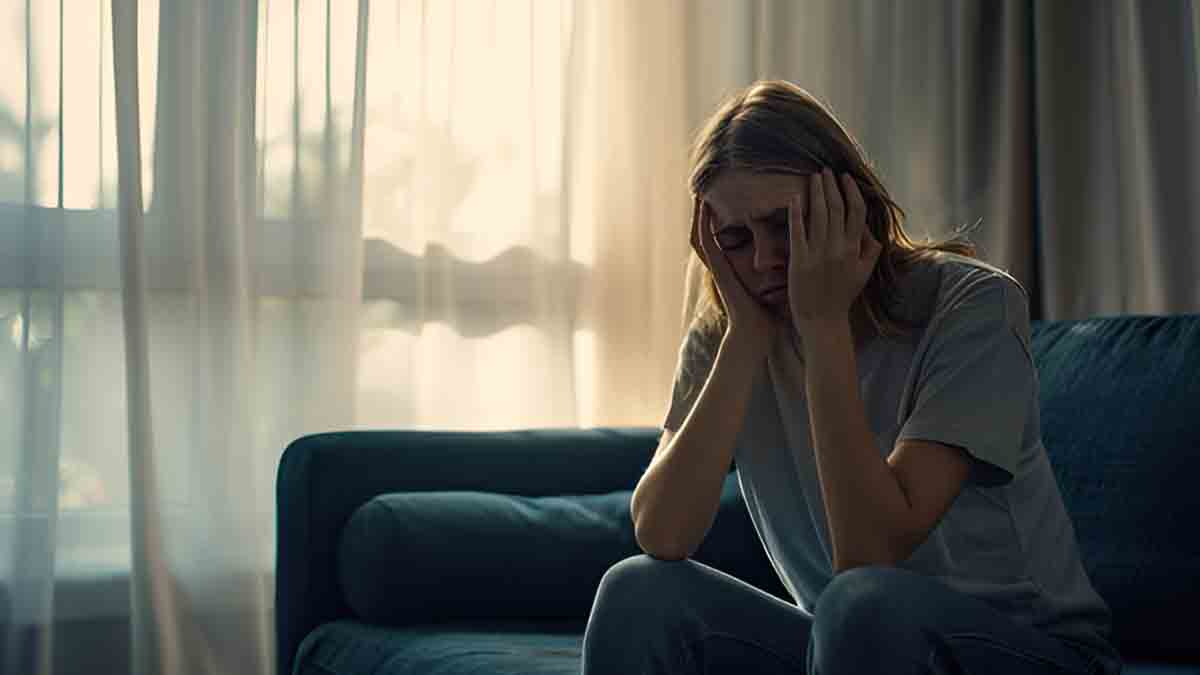 anxiety vs burnout 3
Conclusion
To summarise, you must understand the key differences between anxiety and burnout. This is because it is the first crucial step toward reclaiming your mental wellbeing. While anxiety keeps your mind racing with constant worry about the future, burnout drains you emotionally and makes you detached from your daily responsibilities. Moreover, it is also important to remember that these two conditions can coexist. Leading a healthy lifestyle with regular exercise, balanced sleep, and strict work-life boundaries, can significantly reduce your daily stress levels, keeping burnout and anxiety at bay. However, if your symptoms persist and begin interfering with your everyday routine, seek medical help immediately.
FAQ
How do you know if you have anxiety or burnout?
Burnout develops slowly over months of chronic stress, causing emotional exhaustion, while anxiety is a fear-based state that can spike quickly and affect any life domain.What are the early warning signs of burnout?
Early signs of burnout include chronic fatigue that doesn't improve with rest, a sense of dread about the day ahead, irritability, loss of motivation, cognitive fog, and increased emotional sensitivity or snapping at loved ones.
All possible measures have been taken to ensure accuracy, reliability, timeliness and authenticity of the information; however Onlymyhealth.com does not take any liability for the same. Using any information provided by the website is solely at the viewers’ discretion. In case of any medical exigencies/ persistent health issues, we advise you to seek a qualified medical practitioner before putting to use any advice/tips given by our team or any third party in form of answers/comments on the above mentioned website.
How we keep this article up to date:
We work with experts and keep a close eye on the latest in health and wellness. Whenever there is a new research or helpful information, we update our articles with accurate and useful advice.
-
Current Version
Jul 14, 2026 18:56 IST
Published By : Shruti Das
Reviewed By : Dr Sharadhi C