At some point, almost everyone spots more hair than usual on their brush, pillow, or shower floor, and immediately assumes the worst. But not all hair trouble is the same. Sometimes it's hair breakage, where strands snap from styling or damage. Other times, it's genuine hair loss, where hair falls out from the root itself.
According to Dr Sandeep Mahapatra, Director & Senior Consultant Dermatologist, Neo Follicle Hair Transplant and Dermasolutions, Bengaluru, "Hair breakage is when the strand breaks somewhere along its length, and the root remains unaffected.” If you know what type it is, you'll know which fix you should use.
What Is the Real Difference Between Hair Breakage and Hair Loss?
| Aspect | Hair Breakage | Hair Loss |
|---|---|---|
| What it is | Strand snaps along its length and root stays intact | Hair falls out from the follicle itself |
| Age pattern | Any age. It is driven by habits like heat styling or tight hairstyles | Often age-linked like genetic thinning from late 20s, hormonal thinning after 40s |
| How serious | Cosmetic issue, reversible once the cause stops | Can signal an internal issue like thyroid, iron deficiency, PCOS |
| Fix | Gentler hair care with less heat, regular trims, loose styles | Diagnosis first and bloodwork, then minoxidil, PRP, or dermatologist care |
Dr Mahapatra further explains that the breakage is generally due to heat styling, chemical processing, styling with tight styles or rough handling, and it's simply the strand surrendering to stress. Hair loss, on the other hand, "happens at the root, where hair actually falls out from the follicle, often due to hormones, nutrition, stress, genetics, or an underlying health issue."

According to the International Journal of Medical Sciences (2024), hair loss is becoming more common, especially among younger people, and often causes real emotional distress alongside the physical change. The review explains that common types include pattern baldness, alopecia areata, and stress-related shedding, each with different root causes such as genetics, hormones, or immune reactions.
ALSO READ- Can Oiling Your Hair During Monsoon Harm Your Scalp? Dermatologist Answers
How to Spot Hair Breakage vs Hair Loss

According to Dr Mahapatra, "breakage shows up as frizz, flyaways, and split ends, with hair looking thin mainly at the mid-lengths and tips. Hair loss shows up as thinning at the scalp, a widening parting, more hair with a little white bulb at the root coming out in the shower or on the pillow."
- Breakage: damaged hair strands, shorter strands mixed in the hair, caused by damage in the middle section/ends
- Hair loss: Scalp is exposed, the parting is becoming wider, hair is falling away at the root, small white bulbs at the end of the hair.
Do Hair Breakage and Hair Loss Start at Different Ages?
"Breakage isn't really tied to age as it's tied to habits," says Dr Mahapatra. Someone in their teens who straightens or colours their hair often can experience just as much breakage as someone in their 40s.
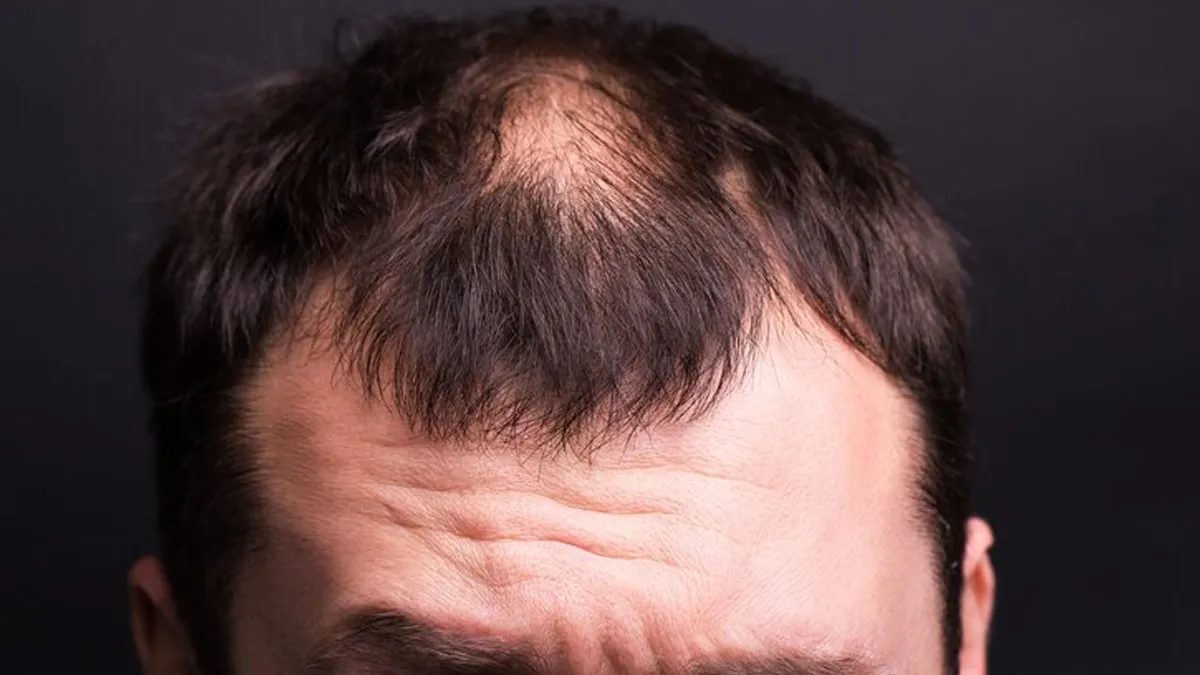
Hair loss, though, tends to follow more of a pattern. He notes that "genetic hair thinning usually starts showing up in the late 20s or 30s, sometimes earlier," while stress-related shedding or postpartum hair fall can hit at any age. Age-related thinning linked to hormonal changes, he adds, becomes more common from the 40s onward.
Which Is More Dangerous: Hair Breakage or Hair Loss?
Dr Mahapatra is clear on this one: "hair loss is the one worth taking more seriously." Since it starts at the root, it can be a sign of something going on internally, like thyroid issues, iron deficiency, PCOS, or autoimmune conditions, and if left unchecked, some types can lead to permanent thinning.
Breakage, he says, is "annoying and affects how the hair looks, but it's usually reversible once the damaging habit stops, and it doesn't point to a bigger health concern."
Treatment Options for Hair Breakage
Dr Mahapatra's tips for reversing breakage:
- Limit heat styling and use a heat protectant when using heat.
- Stay away from tight hairstyles that pull on the hair.
- Use low-suds shampoos.
- Get regular trims
- Be careful when detangling wet hair, since it's more fragile
Treatment Options for Hair Loss
For genuine hair loss, Dr Mahapatra recommends starting with the "why" before jumping to treatment: "the first step is figuring out why it's happening; bloodwork for thyroid, iron, and vitamin levels is usually where it starts." From there, options may include:
- Minoxidil or prescription options like finasteride, under medical supervision
- PRP (platelet-rich plasma) therapy
- Correcting nutritional gaps once identified
- Managing stress levels
- Seeing a dermatologist for a proper diagnosis, rather than guessing
ALSO READ- Who Should Avoid Minoxidil? Dermatologist Explains If It's Safe for Hair Health
Conclusion
While both hair breakage and hair loss appear similar on the surface, there is a distinct difference between the two: the former is caused by external harm, while the latter is caused by damage at the hair root. Spotting the difference as early as possible will help treatment be much more successful, ranging from changing the care for his/her hair to a simple blood test to eliminate underlying conditions.
FAQ
1. Can hair breakage turn into permanent hair loss if ignored?
Although this is not direct, Dr Mahapatra says the same damage can weaken a person's hair over time, and in some cases, it can lead to traction alopecia, which is a type of hair loss that results from continuous pulling.2. How can I tell at home if I'm losing hair from the root or just experiencing breakage?
Check the fallen strand. A small white bulb at one end indicates it has emerged from the root and is a sign of hair loss. If the strand looks uneven or frayed and doesn't have a bulb, it's likely broken.
All possible measures have been taken to ensure accuracy, reliability, timeliness and authenticity of the information; however Onlymyhealth.com does not take any liability for the same. Using any information provided by the website is solely at the viewers’ discretion. In case of any medical exigencies/ persistent health issues, we advise you to seek a qualified medical practitioner before putting to use any advice/tips given by our team or any third party in form of answers/comments on the above mentioned website.

How we keep this article up to date:
We work with experts and keep a close eye on the latest in health and wellness. Whenever there is a new research or helpful information, we update our articles with accurate and useful advice.
-
Current Version
Jul 30, 2026 10:34 IST
Modified By : Vivek Kumar Jul 30, 2026 10:34 IST
Published By : Vivek Kumar
Reviewed By : Dr Sandeep Mahapatra