
Monsoon season brings relief from the scorching summer heat. However, the rainy months also bring in different health, hair and skin issues. One such common problem is that of hairfall. There’s a common belief that oiling your hair in the monsoon can further aggravate this issue. But is this a myth or reality? Experts believe that this can actually be one of the factors behind hair fall. Read on to understand why oiling your hair can cause hair breakage, and what you can do about it.
To understand the real impact of this traditional practice, we interacted with Dr Ruben Bhasin Passi, Consultant Dermatology, CK Birla Hospital, Gurugram.
Can Oiling Your Hair in Monsoon Harm Scalp Health?
Let us straightaway to the point – oiling your hair in the rainy months harms your scalp? Dr Passi says that monsoon rolls around and, for a lot of people, that means digging out the hair oil bottle again. She adds, “It's practically muscle memory by now; oil the hair, let it sit, feel virtuous. And there's real merit to it; well-oiled hair does tend to look softer and behave better. But the scalp underneath doesn't always agree with this ritual once the rains set in.”
The expert explains, “Here's the problem: humidity, sweat, and getting caught in unexpected showers, all these add up to a scalp environment that fungi and bacteria rather enjoy. Pile on thick layers of oil and leave them there for hours (or, let's be honest, overnight), and you've essentially sealed in moisture, dead skin cells and grime. That's when the itching starts, or the dandruff, or occasionally those small, tender bumps around the follicles that nobody wants to deal with. People with oily or reactive scalps tend to notice this faster than most.”
 hair oil monsoon 1
Tips To Safely Oil Hair in Monsoon
But does this mean you should skip oiling your hair in monsoon altogether? Dr Passi answers, “None of this means oiling has to go. It just needs a rethink. Applying oil mainly to the lengths rather than drenching the roots, or doing a quick scalp massage and washing it out within a couple of hours, still delivers the frizz control and shine people oil their hair for in the first place, without giving bacteria a multi-hour head start.”
The expert explains, “The bigger shift, really, is in scalp hygiene generally during these months. Washing more regularly with a mild shampoo, actually drying the scalp properly after getting rained on (not just towel-patting the ends and calling it done), and steering clear of shared combs or towels, these small habits do more heavy lifting than people expect.”
So what is the final verdict? “It isn't really about choosing between oiling and not oiling. It's about being a bit more deliberate with it; using less, washing it out sooner, and paying attention to the scalp itself rather than just the strands. Do that, and there's no reason the monsoon has to mean a compromise between healthy hair and a healthy scalp,” concludes Dr Passi.
 hair oil monsoon 2
Benefits of Hair Oiling
According to the Cleveland Clinic, here are some of the benefits of hair oiling:
- Adds moisture and shine to your hair: Hydration is said to be the secret to a smooth and silky hair. A 2015 study discovered that oils can help boost hair growth by providing it with the much-needed moisture. Another 2021 study found that coconut oil adds strength to your hair fibres. In fact, hair that has been harmed by intense styling and heat damage, oiling can fill in some gaps and keep it moisturised.
- Improves appearance of split ends: While natural oils may not provide a permanent cure to split ends, it can give a temporary boost and improve the hair’s appearance.
- May protect your hair from the sun: The sun’s rays can damage your hair. With time, it can even make your hair dry or frizzy. Research notes that almond oil’s moisturising properties may form a protective barrier and prevent hair damage caused by sun’s UV rays.
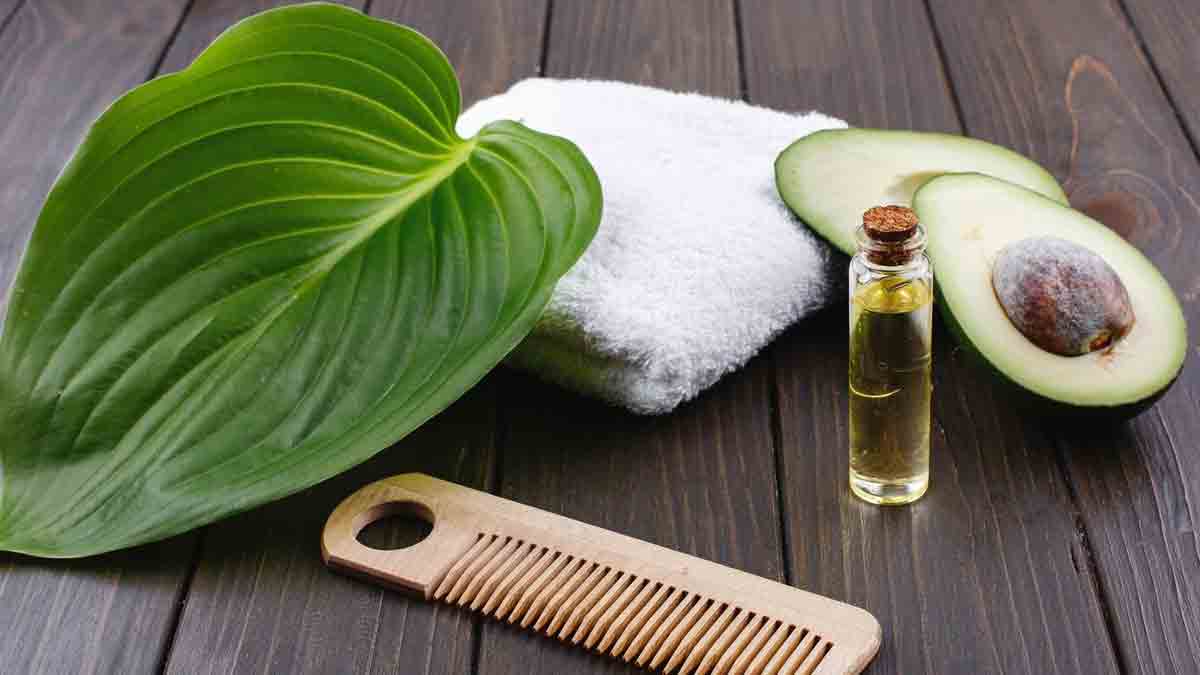 hair oil monsoon 3
Conclusion
To summarise, completely abandoning your hair oiling routine during monsoon is not recommended. Expert confirm that oiling can add to your hair breakage in the rainy months. But with the correct method and approach, you can avoid this. By applying oil mainly to the lengths of your hair and washing it out within a few hours, you can stick to your hair oiling routine during monsoon. This way, you can enjoy all its moisturising benefits without compromising with your scalp health.
FAQ
What is the best oil for monsoon hair?
During the rainy months, use lightweight, non-greasy oils such as jojoba, sweet almond, or light coconut oil.How to stop monsoon hairfall?
Some of the ways to deal with or prevent monsoon hairfall are by washing your hair 2–3 times a week using a mild, sulfate-free shampoo, and applying natural DIY masks to strengthen your hair’s roots.
All possible measures have been taken to ensure accuracy, reliability, timeliness and authenticity of the information; however Onlymyhealth.com does not take any liability for the same. Using any information provided by the website is solely at the viewers’ discretion. In case of any medical exigencies/ persistent health issues, we advise you to seek a qualified medical practitioner before putting to use any advice/tips given by our team or any third party in form of answers/comments on the above mentioned website.
How we keep this article up to date:
We work with experts and keep a close eye on the latest in health and wellness. Whenever there is a new research or helpful information, we update our articles with accurate and useful advice.
-
Current Version
Jul 15, 2026 19:14 IST
Published By : Shruti Das
Reviewed By : Dr Ruben Bhasin Passi