
Polycystic Ovary Syndrome (PCOS) affects one in 10 women of childbearing age. It is said to be a leading cause of irregular menstrual cycles and one of the most common causes of infertility in women. Women with PCOS are at higher risk of different longer-term health conditions. Did you know that PCOS can also lead to growth of facial hair? This causes not only physical discomfort, but emotional distress in women. Today, we will explain all about PCOS and its connection with facial hair growth.
To get a better understanding of this, the editorial team of OnlyMyHealth reached out to Dr Chetna Jain, Director Department of Obstetrics and Gynaecology, Cloudnine Group of Hospitals, Sector 14, Gurgaon and Dr Pooja C Thukral, Consultant Obstetrician and Gynaecologist, Cloudnine Group of Hospitals, Faridabad. Read ahead.
Can PCOS Cause Facial Hair Growth?
Before understanding the link between PCOS and facial hair growth, let us explain what PCOS is. The World Health Organization (WHO) defines Polycystic ovary syndrome as “a common hormonal disorder in which higher than normal androgen levels lead to irregular menstrual periods, abnormal ovulation, infertility, excess facial or body hair and/or acne in women”. It notes that an estimated 10–13% of reproductive-aged women are affected by PCOS. It added that an estimated that up to 70% of women with PCOS worldwide are unaware that they have this condition.
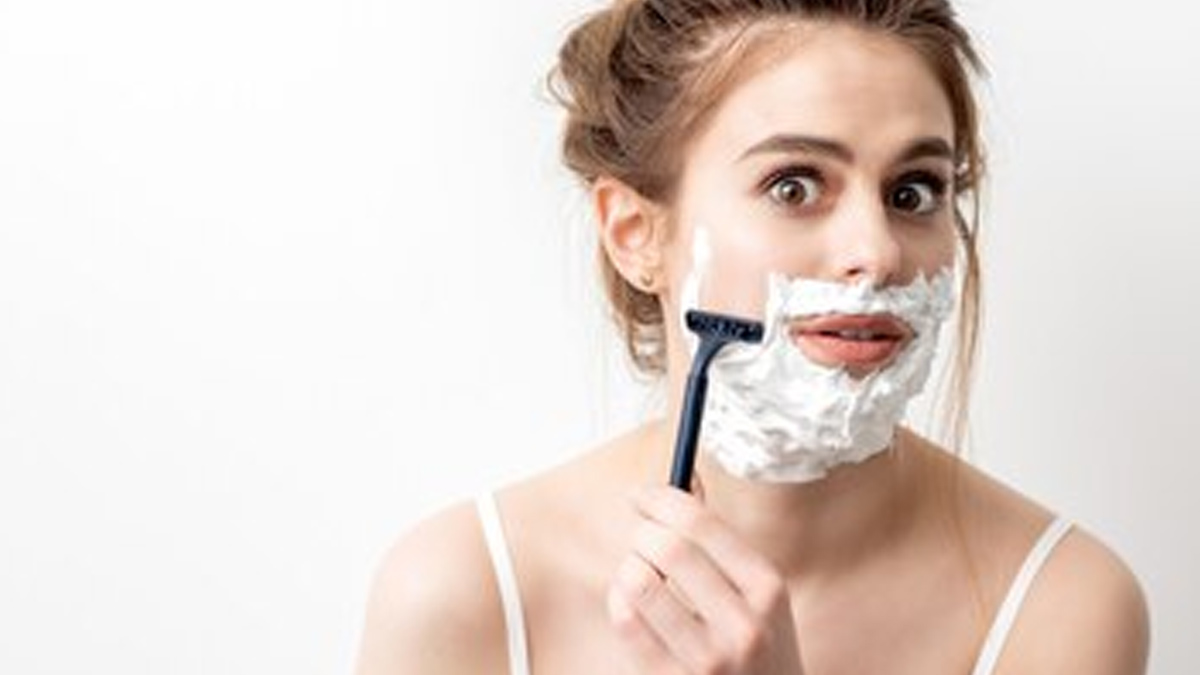
Explaining whether PCOS can cause facial hair, Dr Jain says: “Facial hair growth in women, medically known as hirsutism, is a common and often distressing symptom of Polycystic Ovary Syndrome. While it can affect confidence and self-image, understanding the cause can help in managing it effectively.”
 pcos facial hair 1
What Causes Facial Hair Growth In PCOS?
What exactly causes facial hair growth in PCOS? Shedding light on its causes, Dr Jain lists the following:
Higher Levels Of Androgens
PCOS is a hormonal disorder where the ovaries produce higher-than-normal levels of androgens, often referred to as ‘male hormones’. Although all women produce small amounts of androgens, in PCOS these levels are elevated. This hormonal imbalance leads to the transformation of fine, light hair (vellus hair) into thick, dark, coarse hair (terminal hair), especially on areas like the chin, upper lip, jawline, chest, and abdomen.
Insulin Resistance
Insulin resistance, another key feature of PCOS, also plays a significant role. Higher insulin levels can stimulate the ovaries to produce more androgens, further worsening symptoms like facial hair, acne, and irregular periods.
 pcos facial hair 2
Genetics
Genetics can also influence how sensitive hair follicles are to these hormones, which is why some women may experience more noticeable hair growth than others.
ALSO READ - PCOS & Fertility: Is Egg Quality More Important Than Quantity?
How Common Is PCOS Facial Hair?
Let us understand how common is hirsutism in PCOS? Explaining this, Dr Thukral says, “Facial hair growth is one of the most common concerns among women diagnosed with PCOS. It is often the first visible sign that brings patients to a gynaecologist — and understandably so, as it can significantly impact confidence and emotional well-being.” According to the Cleveland Clinic, 70% to 80% of those who have PCOS develop hirsutism. As per a 2022 study, published in the ‘Diagnostics’ journal, hirsutism affects around 4–11% of women in the general population; while it is the main manifestation of hyperandrogenism (a medical condition characterised by excess androgen) in women with polycystic ovary syndrome, with a prevalence estimated at 65–75%.
The expert adds, “Facial hair can be distressing, but it is a medical condition, not a personal failing. With the right guidance and a structured plan, most women see significant improvement.”
 pcos facial hair 3
Tips To Treat PCOS Facial Hair
Treating PCOS facial hair is possible. “Managing facial hair in PCOS requires a combination of medical treatment, lifestyle changes, and cosmetic approaches,” says Dr Jain. The expert lists down the following tips for the same:
Medical Treatments
Doctors may prescribe oral contraceptive pills (OCPs) to regulate hormones and reduce androgen levels. Anti-androgen medications, such as spironolactone, may also be used to block the effects of male hormones on hair follicles. These treatments take time — often three to six months — to show visible improvement.
Lifestyle Modifications
Weight management plays a crucial role, especially for women who are overweight or obese. Even a 5–10% reduction in body weight can improve insulin sensitivity and reduce androgen levels. A balanced diet, regular physical activity, and stress management can significantly help in controlling PCOS symptoms over time.
Cosmetic Solutions
Temporary methods like threading, waxing can help manage visible hair. For longer-term results, laser hair reduction works. Laser treatments work best for darker hair and require multiple sessions, but it can significantly reduce hair growth over time.
“From a clinical standpoint, treatment is not just about removing hair, it is about addressing the underlying hormonal imbalance. Effective management involves a combination of hormonal treatment, lifestyle changes, and supportive cosmetic options. Early intervention and consistency are key to achieving the best outcomes,” adds Dr Thukral.
 pcos facial hair 4
When To See A Doctor
When it comes to managing PCOS facial hair, seeking timely medical advice and following a consistent treatment plan can lead to significant improvement, advises Dr Jain. Support from healthcare providers plays a key role in managing both the physical and emotional aspects. Dr Thukral says, “One of the most important things I tell my patients is this: PCOS is manageable, but it requires a long-term approach. There is no overnight solution, and combining treatments often gives the best results. Equally important is addressing the emotional impact.”
ALSO READ - Do PCOS Symptoms Worsen In Winter? Expert Weighs In
Conclusion
Facial hair can impact emotional well-being, but it’s important to remember that PCOS is a manageable condition. Self-care, patience, and support from healthcare providers plays an important role in managing both the physical and emotional aspects. To summarise, facial hair in PCOS is a result of hormonal imbalance, but with the right combination of treatment and lifestyle changes, it can be effectively controlled.
FAQ
Can PCOS facial hair go away?
PCOS-related facial hair can be reduced, managed, or largely eliminated with the help of a combination of medical treatments to manage hormones and hair removal methods.Should you shave your PCOS facial hair?
Yes, you can remove your PCOS facial hair using shaving, waxing, or laser, but long-term results come from treating excess androgens.How to tell if your facial hair is from PCOS?
The development of excessive dark or coarse hair in areas where men typically grow hair, such as the face, back, or chest, is a symptom of hirsutism, which can be caused by PCOS but also by other conditions.Is hirsutism in PCOS reversible?
Yes, PCOS-related hirsutism can be reversed or significantly reduced with long-term management, but there is no permanent or one-time cure.
All possible measures have been taken to ensure accuracy, reliability, timeliness and authenticity of the information; however Onlymyhealth.com does not take any liability for the same. Using any information provided by the website is solely at the viewers’ discretion. In case of any medical exigencies/ persistent health issues, we advise you to seek a qualified medical practitioner before putting to use any advice/tips given by our team or any third party in form of answers/comments on the above mentioned website.
How we keep this article up to date:
We work with experts and keep a close eye on the latest in health and wellness. Whenever there is a new research or helpful information, we update our articles with accurate and useful advice.
-
Current Version
Apr 06, 2026 16:51 IST
Modified By : Shruti Das Apr 06, 2026 16:51 IST
Modified By : Shruti DasApr 06, 2026 16:51 IST
Published By : Shruti Das
Reviewed By : Dr Chetna Jain