Polycystic ovary syndrome (PCOS), considered a leading cause of infertility, is a hormonal condition that affects women of reproductive age. Usually starting during adolescence, dietary habits play a vital role in the severity of PCOS, especially diets high in processed fats. To manage PCOS, many people start avoiding fat in their daily diet, but experts believe fat is not always harmful.
There is a category of good fat that needs to be included in the diet to treat PCOS in any individual. Dr Archana Batra, a Dietitian and Certified Diabetes Educator, explains the need for good fat in PCOS.
Understanding PCOS And Its Symptoms
According to the World Health Organisation (WHO), PCOS affects an estimated 6 to 13% of women of reproductive age, and up to 70% of cases are undiagnosed. It is a chronic condition that can not be cured; however, its symptoms can be significantly improved by adopting better lifestyle habits, medications, and fertility treatments.
While the exact cause of this metabolic disorder is still not identified, it is likely a result of genetics, hormonal, and lifestyle factors. “PCOS has become a grave public health concern immensely associated with today’s lifestyle, environmental factors, and genetics,” explained Dr Archana Batra.
Also Read: Why Are PCOS and Thyroid Issues Rising Rapidly Among Gen Z Women?
The dietitian further shared that its symptoms can vary from person to person or may change over time, but a few common and possible symptoms are:
- Irregular Menstrual Cycle
- Infertility
- Acne or oily skin
- Excessive body or facial hair
- Hair thinning or baldness
- Weight gain around the abdominal area
 PCOS
PCOS
Need for Good Fat In PCOS And Its Types
For women with PCOS, fat is often the most misunderstood component of their diet. Most people advocate the complete elimination of fat without understanding the necessity of good fats. The dietitian states, “Good fats are not only safe but also very important for hormone balance and metabolic health. The type of fat one eats is far more significant than the total amount consumed, especially when trying to tackle the root cause of PCOS, namely, insulin resistance and inflammation.”
Also Read: Fertility In Diabetic Women: Risks, Challenges, And Management
Dr Batra also highlights the two kinds of good fats that one must focus on:
Monounsaturated Fats (MUFAs)
MUFAs play an important role in improving insulin sensitivity. They help your cells respond better to insulin, which is important because high insulin levels drive excess androgen production in PCOS.
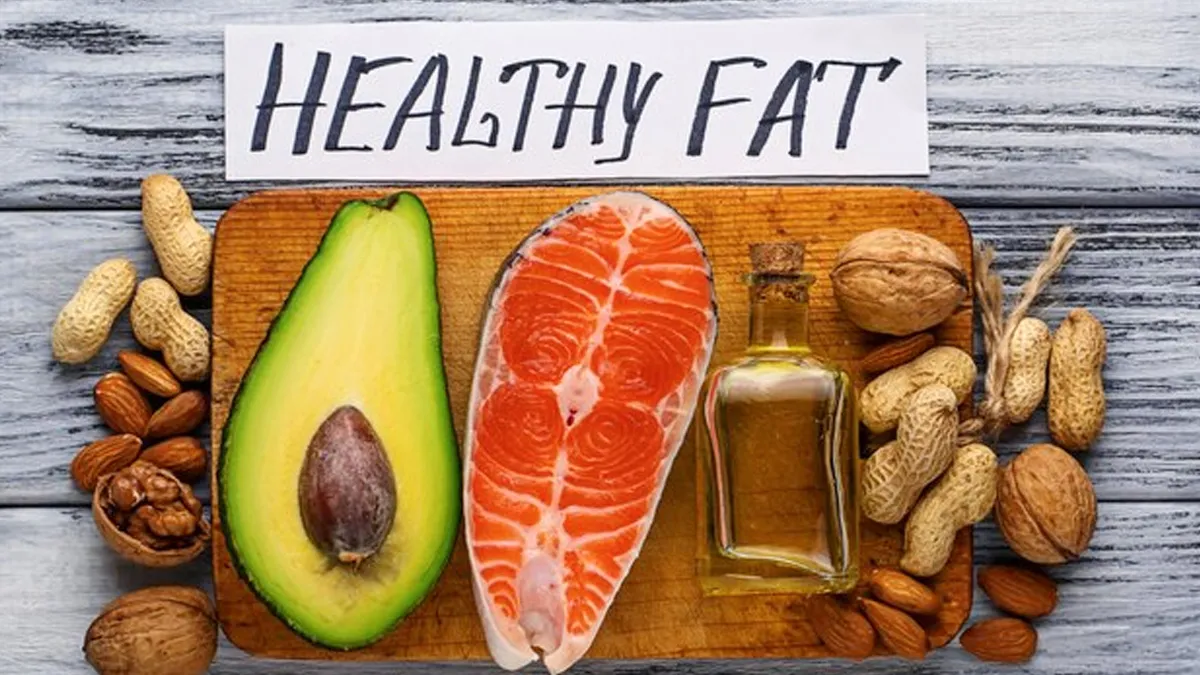
Sources: Foods such as avocados, olive oil, almonds, pecans, and macadamia nuts.
Intake: Consume monounsaturated fats as a major part of your total fat intake.
Polyunsaturated Fats (PUFAs)
Polyunsaturated fats, especially Omega-3 fatty acids, are well-known anti-inflammatory agents. Since PCOS is frequently characterised as low-grade, chronic inflammation, decreasing this inflammation can provide symptom relief.
Sources: Food items like as fatty fish (salmon and sardines), walnuts, chia seeds, flaxseeds.
Intake: Include a minimum of at least two servings a week of oily fish and seeds every day.
![Good Fat PCOS]() Good Fat PCOS
Good Fat PCOS
How Much Good Fat Is Enough?
 Good Fat PCOS
Dr Batra explained, “While a specific, single number is hard to give, as healthy fat portion needs vary based on BMI and activity levels, a common recommendation within a balanced PCOS diet suggests that 25% to 35% of total daily calories should come from fat, with the majority being healthy monounsaturated and polyunsaturated sources.”
Crucially, eliminating or severely restricting healthy fats is counterproductive because they provide satiety, regulate appetite, and form a fundamental building block for hormone production. “The true target for reduction should be inflammatory trans fats and excessive saturated fats found in processed foods,” Dr Batra noted.
Also Read: Why PCOS Is More Than A Fertility Disorder - How It Contributes To Diabetes, Obesity, and Anxiety?
Bottomline
Research indicates that we need a good percentage of healthy fats in the body to improve the symptoms of PCOS. As there is no cure for this disorder, improving lifestyle habits, in which diet intake plays the most significant role, is vital. Good fats, such as monounsaturated and polyunsaturated fats, help the body achieve hormonal balance, manage weight, and combat insulin resistance.
FAQ
What is it like having PCOS?
Individuals with PCOS experience symptoms such as severe pain during periods, irregular menstrual cycles, increased facial hair, sudden acne, and Obesity.Does PCOS go away on its own?
No, PCOS does not go away on its own and currently has no cure. However, its symptoms can be managed effectively through lifestyle changes and medications.What are the good fats?
Good Fats, or unsaturated fats, include monounsaturated and polyunsaturated fats, particularly Omega-3 fatty acids, and can be found in foods like nuts, seeds, fish oil, and avocados.
All possible measures have been taken to ensure accuracy, reliability, timeliness and authenticity of the information; however Onlymyhealth.com does not take any liability for the same. Using any information provided by the website is solely at the viewers’ discretion. In case of any medical exigencies/ persistent health issues, we advise you to seek a qualified medical practitioner before putting to use any advice/tips given by our team or any third party in form of answers/comments on the above mentioned website.
How we keep this article up to date:
We work with experts and keep a close eye on the latest in health and wellness. Whenever there is a new research or helpful information, we update our articles with accurate and useful advice.
-
Current Version
Dec 05, 2025 08:35 IST
Modified By : Chanchal Sengar Dec 05, 2025 08:35 IST
Modified By : Chanchal SengarDec 05, 2025 08:35 IST
Published By : Sameeksha Sharma
Reviewed By : Dr Archana Batra