

-1763471318269.webp)
Polycystic Ovary Syndrome (PCOS) is a condition where small sacs of fluid, or cysts, form in the ovaries, significantly impacting women’s fertility health. As a metabolic disorder that often starts in adolescence, it increases the risk of severe chronic diseases such as type 2 diabetes, obesity, and stroke. Since there is no cure for PCOS, experts believe that improving lifestyle habits, particularly nutritional habits, can make a significant impact on managing its symptoms.
Table of Content:-
To understand PCOS cases in younger women and the nutritional habits that can make a difference, we spoke to Nutritionist Vidhi Chawla, Founder of FISICO Diet and Aesthetic Clinic.
Understanding Teen PCOS
As reported by the Cureus Journal of Medical Science, PCOS is a complex series of metabolic, reproductive, and psychological disorders that impacts women during their reproductive age.
According to Vidhi Chawal, PCOS is rising in young females due to a combination of genetics, hormonal imbalances, and lifestyle factors. “During the teenage years, girls already face hormonal changes that trigger the underlying issues of PCOS, making it more apparent in adolescence.”
The condition essentially increases the level of male hormone androgens from the ovaries, which causes an irregular menstrual cycle, severe pain during periods, facial hair, and the storage of fat around the abdominal area.
Also Read: Why Are PCOS and Thyroid Issues Rising Rapidly Among Gen Z Women?
Early Nutrition Habits To Manage PCOS
According to the Centers for Disease Control and Prevention, PCOS often develops as early as age 11 or 12, around the time of first menstruation. This age factor makes early nutritional habits even more crucial.
Vidhi Chawla explained, “Early nutritional intervention is significant in the management of PCOS among adolescent girls, since the habits formed during these crucial years can make a major difference in the outcome and progression of this disorder.” She further added, “Nutritionally, their management should be directed to combating the insulin resistance that is the driving force of hormonal imbalance.”
Here are a few dietary changes suggested by Vidhi Chawla:
Also Read: Fertility In Diabetic Women: Risks, Challenges, And Management
Prioritise Low-Glycaemic Carbohydrates
Vidhi Chawla shared that the most powerful habit shift is strategic carbohydrate consumption, replacing rapidly digested refined sugars and white flours with a priority on low-GI carbohydrates and high-fiber foods. Choosing foods like oats, brown rice, quinoa, and green vegetables helps reduce excessive insulin spikes that fuel androgen production.
Replace Refined Foods With Fibre-Rich Options
Vidhi Chawl highlights the value of replacing sugary cereals and white bread with whole grains to improve overall metabolic health. Including fibre-rich food in your daily diet slows glucose absorption, supporting better insulin control and eventually managing PCOS Symptoms in teens.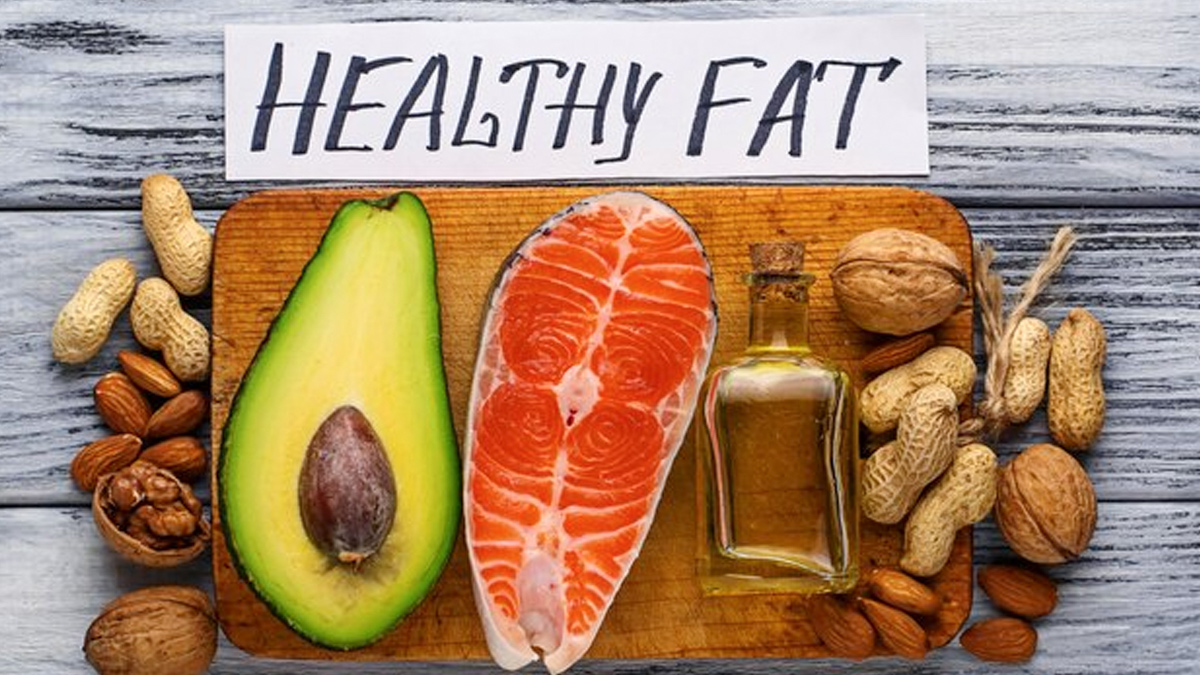
Lean Protein Portion And Healthy Fats
Ensuring that every meal contains a substantial source of lean protein, such as eggs or poultry, along with healthy fats like avocado, nuts, or olive oil, significantly enhances satiety. This further moderates blood glucose absorption, contributing to steadier blood glucose levels throughout the day.
Avoid Sugar-Sweetened Beverages
She also emphasised how harmful sugar-sweetened beverages are for overall health. One should avoid sugar beverages such as soda, sports drinks, and sweetened teas completely, as they sharply spike blood sugar levels and contain no nutritional value.
Vidhi Chawla stated, “Early adoption of these nutrient-dense, fibre-rich, and protein-balanced eating patterns can significantly improve insulin sensitivity, help regulate menstrual cycles, and promote long-term hormonal health in teens with PCOS.”
Bottomline
Along with diabetes, heart conditions, and obesity, PCOS can also cause anxiety, depression and lead to social stigma. This can affect other life areas, such as family, relationships, and work. Managing PCOS symptoms requires changes such as losing weight, making dietary changes, ensuring proper sleep hygiene, and other lifestyle adjustments. Some medications also help you ovulate, reduce acne and hair growth, and improve fertility, but all require lifestyle changes in the first place.
Also watch this video
FAQ
Can you have PCOS as a teenager?
Yes, in the majority of cases, PCOS Symptoms begin at an early age during the first or second menstrual cycle.How to get rid of PCOS in a teenager?
PCOS can not be cured, but its symptoms can be managed by including healthy lifestyle habits in your daily routine.What is the root cause of PCOS?
The root cause of PCOS is considered a combination of genetics, hormonal imbalances, and lifestyle factors.Can a 14-year-old get ovarian cysts?
Yes, a 14-year-old can get ovarian cysts. In adolescents, cyst cases are fairly common because of the constantly changing hormonal cycle.
How we keep this article up to date:
We work with experts and keep a close eye on the latest in health and wellness. Whenever there is a new research or helpful information, we update our articles with accurate and useful advice.
Current Version
Dec 20, 2025 13:43 IST
Published By : Sameeksha Sharma