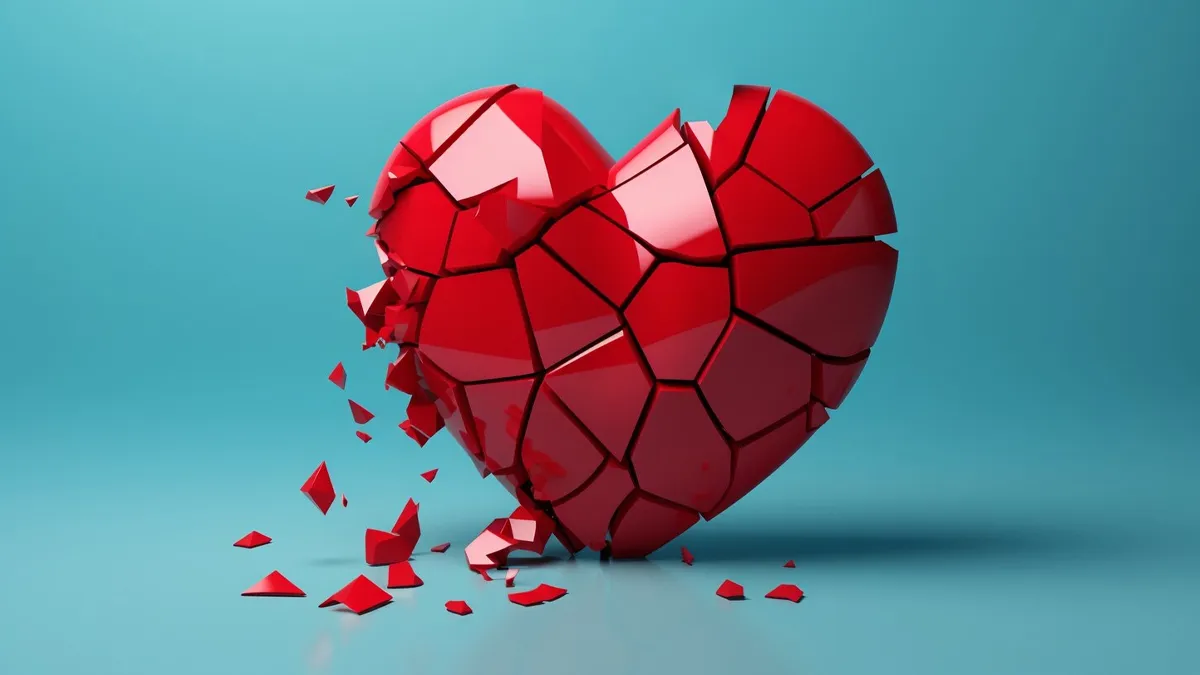
Heartbreak is a feeling that leaves you in pain, sobbing or feeling completely hollow inside. However, Broken Heart Syndrome, medically known as Takotsubo cardiomyopathy, is far more than just a metaphor for sadness. Whether it is losing a loved one, a devastating breakup, or the crushing disappointment of losing a dream job, these events come through sudden emotional shocks, grief and give a feeling of genuine physical distress. This may lead to Broken Heart Syndrome, making you experience symptoms similar to a heart attack.
"Broken Heart Syndrome is a temporary heart condition that is usually triggered by sudden emotional or physical stress," says Dr Vikash Goyal, Associate Director of Cardiology at Paras Health, Gurugram, during an exclusive conversation with the editorial team of Onlymyhealth. Continue reading to know what else he shared with us.
What is Broken Heart Syndrome?
Broken Heart Syndrome, medically known as Takotsubo cardiomyopathy, is a sudden weakness and severe ache in your heart muscles. This often occurs right after a physically or emotionally stressful event and can last for a few days and even weeks.
Speaking about the same, Dr Goyal explains that patients often present with symptoms very similar to a heart attack, such as chest pain and breathlessness. However, unlike a typical heart attack, there is no blockage in the coronary arteries.
 2 - 2026-02-11T144248.778
Dr Goyal mentions, "Instead, a sudden surge of stress hormones like adrenaline temporarily weakens the heart muscle, particularly the left ventricle, affecting its pumping ability. A heart attack occurs due to reduced blood flow from blocked arteries, whereas Broken Heart Syndrome is stress-induced and is generally reversible with timely medical care."
ALSO READ- Delhi's Top Cardiologist Shares 1 Thing You Should Absolutely Avoid For Strong Heart
Warning Signs of Broken Heart Syndrome
Dr Goyal highlights that it is not only negative emotions that can trigger this condition. While Broken Heart Syndrome is commonly associated with grief, emotional trauma, or severe anxiety, even intense positive emotions can be a catalyst.
"Even sudden excitement, such as winning a lottery, a wedding celebration, or any overwhelming happy event, can lead to a spike in stress hormones. The heart responds to the intensity of the emotional surge, irrespective of whether the news is positive or negative. This is why some refer to the positive version as 'Happy Heart Syndrome', Dr Goyal adds.
 1 - 2026-02-11T144246.860
Warning Signs of Broken Heart Syndrome
The warning signs closely resemble those of a heart attack and should never be ignored. Because the symptoms are so similar, a common person can't tell the difference without medical testing. However, Dr Goyal shares a few common warning signs to watch for:
- Sudden, intense chest pain or pressure.
- Shortness of breath.
- Profuse sweating and nausea.
- Dizziness or lightheadedness.
- Heart palpitations or fainting.
"Anyone experiencing these signs, especially during or after a stressful event, should seek immediate medical attention to rule out permanent cardiac damage," Dr Goyal notes.
ALSO READ- How Many Bananas Should You Eat in A Day for Optimal Health?
Who is Most at Risk?
Broken Heart Syndrome is more frequently seen in women, particularly postmenopausal women above the age of 50. Adding to this, Dr Goyal says that hormonal changes after menopause, specifically the drop in oestrogen, may increase the heart's sensitivity to stress hormones.
Individuals with a history of anxiety, depression, or neurological conditions are also at a slightly higher risk. However, Dr Goyal stresses that this condition can affect anyone exposed to severe emotional or physical shock, regardless of their previous health history.
Can the Heart Fully Recover?
The good news is that, in most cases, the condition is temporary. The heart muscle usually recovers completely within a few weeks to a few months with appropriate treatment and monitoring.
"Unlike a heart attack, which may cause permanent muscle death due to loss of blood supply, Broken Heart Syndrome typically does not leave lasting injury. However, rare complications such as heart failure or abnormal heart rhythms can occur, which makes early diagnosis and professional follow-up essential for a safe recovery," he states.
ALSO READ- Why 40 Plus Has Become A High-Risk Age For Silent Cardiac Arrest
Tips to Manage Extreme Stress and Protect Your Heart
During moments of intense emotional upheaval, calming the body’s fight or flight response is crucial for cardiac protection. Dr Goyal recommends the following tips to manage:
- Take deep breaths as slow, controlled breathing helps reduce adrenaline levels and stabilise the heart rate almost immediately.
- Physically removing yourself from the triggering situation can help break the cycle of acute stress.
- Regular physical activity, meditation, and adequate sleep build a stronger buffer for your heart against future shocks.
- Talking through your grief or trauma with loved ones or professional counsellors can prevent emotional weight from turning into physical illness.
ALSO READ- Why Drinking Sugar May Be Far Worse Than Eating Dessert, Studies Find
Bottomline
Ultimately, while the mind and heart are often treated as separate entities, Broken Heart Syndrome proves they are deeply connected. A sudden emotional shock can quite literally stun the heart, but as Dr Goyal says, with awareness and timely medical intervention, the damage is rarely permanent.
FAQ
Can emotional stress really cause heart attack–like symptoms?
Yes, intense emotional shocks like grief or sudden surprise can trigger a surge of adrenaline that stuns the heart, mimicking the physical distress of a heart attack.What are the common symptoms of Broken Heart Syndrome?
The most common signs are sudden, intense chest pain, shortness of breath, and palpitations, which usually occur immediately after a stressful event.How is Broken Heart Syndrome different from a heart attack?
A heart attack is caused by blocked arteries, whereas Broken Heart Syndrome is a temporary weakening of the heart muscle caused by stress hormones, with no actual blockages.Who is most at risk of Broken Heart Syndrome?
Post-menopausal women over the age of 50 are at the highest risk, as lower oestrogen levels may make the heart more sensitive to sudden surges of stress hormones.
All possible measures have been taken to ensure accuracy, reliability, timeliness and authenticity of the information; however Onlymyhealth.com does not take any liability for the same. Using any information provided by the website is solely at the viewers’ discretion. In case of any medical exigencies/ persistent health issues, we advise you to seek a qualified medical practitioner before putting to use any advice/tips given by our team or any third party in form of answers/comments on the above mentioned website.
How we keep this article up to date:
We work with experts and keep a close eye on the latest in health and wellness. Whenever there is a new research or helpful information, we update our articles with accurate and useful advice.
-
Current Version
Feb 11, 2026 16:24 IST
Modified By : Sameeksha Sharma Feb 11, 2026 16:24 IST
Modified By : Sameeksha SharmaFeb 11, 2026 16:24 IST
Published By : Sameeksha Sharma
Reviewed By : Dr Vikash Goyal