
Ever found yourself tearing up over something small, only to realise it wasn't really about that one thing at all? Stress activates the body's emotional and physiological response systems in a way that can lower the threshold for crying. It isn't simply about feeling sad as it's the body's way of releasing built-up tension when the nervous system is overwhelmed. Here is what a psychiatrist wants people to understand about this common, often misunderstood reaction.
Why Does Stress Make You Cry More Easily?
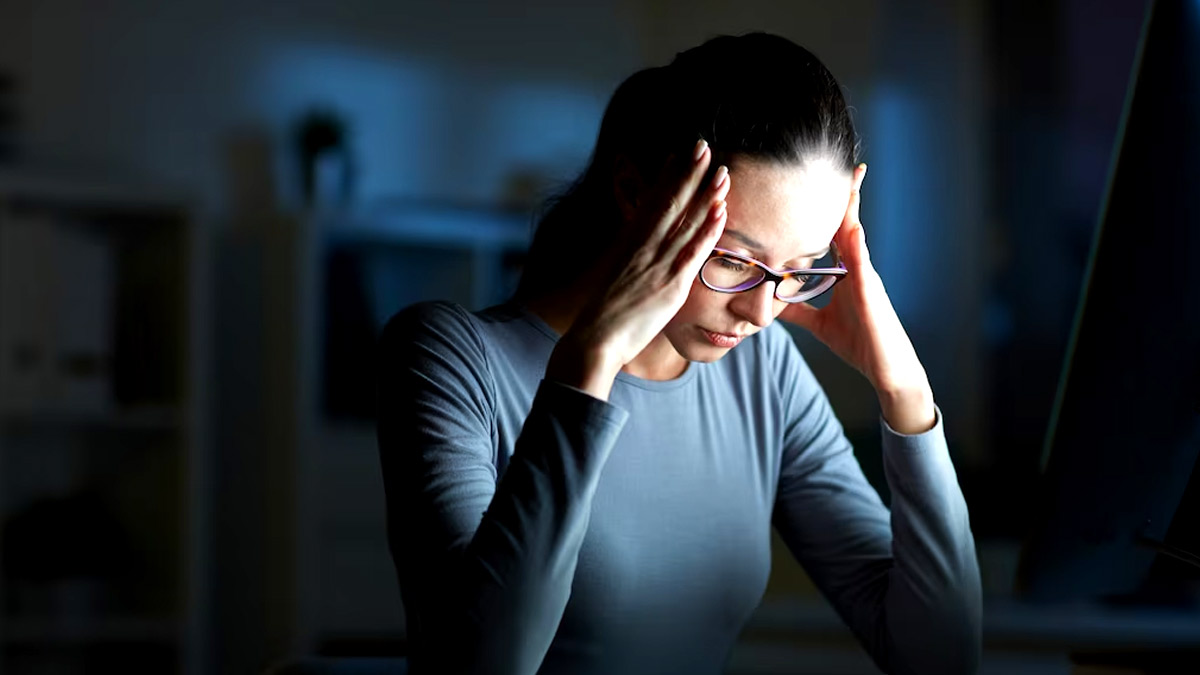
Dr Murali Krishna, Visiting Consultant, Psychiatry and Counselling Services, Aster RV Hospital, Bangalore, breaks down the biological mechanism behind this reaction:
- Stress triggers the release of hormones like cortisol, which can heighten emotional sensitivity and make even minor triggers feel more overwhelming
- The brain's emotional centre becomes more reactive under prolonged stress, making it harder to regulate emotional responses
- Crying can act as a release valve for built-up tension, especially when the mind and body have been in a heightened state for a while
- Fatigue often accompanies stress, and tiredness itself lowers emotional resilience, making tears come more easily
- Unresolved or accumulated stress can build up over time, so a seemingly small trigger can unleash a disproportionate emotional response
What Actually Happens in the Body When You Cry?
Understanding the biology helps explain why crying often brings genuine relief. According to Dr Krishna:
- Crying can trigger the release of oxytocin and endorphins, which have a calming, mood-lifting effect
- It activates the parasympathetic nervous system, helping the body shift out of a stressed, high-alert state
- Heart rate and breathing often slow down after a crying episode, contributing to a sense of relief afterwards
- Tears themselves may help clear stress-related hormones from the body, according to some research on emotional tears specifically
-1786700552430.webp) cry when sad (1)
cry when sad (1)
According to a 2020 randomised trial published in the journal Emotion, researchers tested 197 women to see if crying actually helps the body cope with stress. Some watched sad videos and cried, some watched sad videos and didn't cry, and others watched neutral videos. Afterwards, everyone faced a stressful cold water test. Cortisol levels and stress tolerance stayed the same across all three groups.
But something else stood out. Breathing patterns differed. Criers kept steady breathing, while others' breathing sped up. Heart rate also slowed right before crying began. This suggests crying may help the body stay balanced, not through hormones, but through calmer breathing and heart rate.
Is Crying Under Stress Healthy, or Something to Worry About?
Here's a myth worth clearing up. Crying easily under stress doesn't mean something is wrong with you, and it's certainly not a sign of weakness. In most cases, according to Dr Krishna, crying under stress is a completely healthy and natural response.
That said, he flags a few situations worth paying closer attention to. It becomes worth paying attention to when crying is frequent, feels uncontrollable, or is accompanied by other signs of persistent low mood, since this could point to underlying stress or emotional wellbeing that needs more structured support.
When Should You See a Doctor About Crying Often?
Dr Krishna outlines specific patterns that call for professional evaluation:
- If crying spells are frequent, intense, or feel disproportionate to the situation on a regular basis
- If it's accompanied by persistent sadness, hopelessness, or loss of interest in daily activities
- If it's affecting work, relationships, or daily functioning
- If there are physical symptoms alongside it, such as changes in sleep, appetite, or energy levels that persist for weeks
- If stress feels unmanageable despite trying self-care strategies, and is starting to feel overwhelming most of the time
How Can You Manage Stress Before It Builds Up This Way?
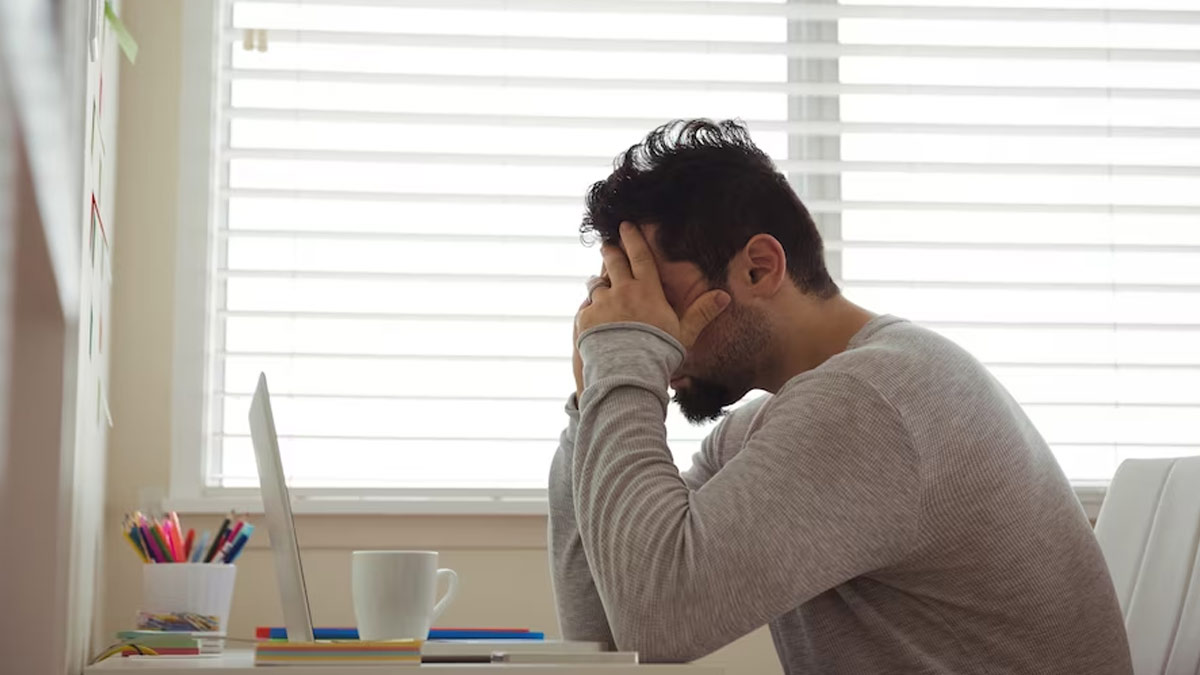
Rather than trying to stop the tears themselves, Dr Krishna's advice focuses on addressing the stress underneath. His practical protocol includes:
- Practising stress-reducing habits such as regular physical activity, adequate sleep, and relaxation techniques
- Identifying specific stress triggers and addressing them where possible, rather than letting stress accumulate unaddressed
- Allowing yourself to cry when needed rather than suppressing it, since holding back emotions can increase internal tension
- Talking to someone, whether a friend, family member, or professional, when stress feels like too much to manage alone
- Building in regular breaks and downtime, rather than operating in a constant high-stress state
Seeking professional support if stress and emotional overwhelm become a persistent pattern rather than an occasional response to a difficult moment
Why Reframing Crying Tears as Biology, Not Weakness, Matters?
According to a 2024 study, published in the Journal of Mental Health, researchers analysed 119 posts from an online self-harm support forum. It aimed to understand how people talk about their emotions. One of the four major themes that emerged was captured in the study's own title: "I thought that crying was weakness."
The researchers found that people who believed their emotions, including crying, were something to suppress rather than express, actually experienced more intense shame and guilt, and were more likely to turn to self-harm as a coping mechanism instead. The study's authors argue that shifting these negative beliefs about emotional expression, including recognising that crying is a normal, biological response rather than a personal failing, is an important target for psychological support.
So much of the discomfort around crying comes from treating it as an emotional failure rather than what it actually is: a physiological response with a clear biological purpose. Dr Krishna's explanation reframes stress-induced tears as the nervous system doing exactly what it's designed to do under pressure. Understanding this mechanism can make the experience feel a lot less embarrassing, and a lot more like useful information about your current stress levels.
ALSO READ- Silent Suffering is More Dangerous Than Crying Out Loud; Expert Weighs In
Conclusion
Crying more easily when stressed isn't a character flaw. It's a well-understood physiological response tied to hormones, brain activity, and the body's need to release built-up tension. Most of the time, it's a healthy release rather than a warning sign. But if it becomes frequent, intense, or comes with other symptoms of low mood, it's worth treating as a signal to seek proper support rather than something to push through alone.
FAQ
1. Does everyone respond to stress with crying, or is this reaction more common in certain people?
Not everyone cries under stress in the same way, since emotional responses vary based on individual temperament, past experiences, and even hormonal differences.2. Can certain times of the month or hormonal changes make stress-induced crying more likely?
Yes, hormonal fluctuations, such as those during the menstrual cycle, pregnancy, or menopause, can genuinely lower the threshold for emotional reactivity, including crying.
All possible measures have been taken to ensure accuracy, reliability, timeliness and authenticity of the information; however Onlymyhealth.com does not take any liability for the same. Using any information provided by the website is solely at the viewers’ discretion. In case of any medical exigencies/ persistent health issues, we advise you to seek a qualified medical practitioner before putting to use any advice/tips given by our team or any third party in form of answers/comments on the above mentioned website.
How we keep this article up to date:
We work with experts and keep a close eye on the latest in health and wellness. Whenever there is a new research or helpful information, we update our articles with accurate and useful advice.
-
Current Version
Aug 14, 2026 15:14 IST
Modified By : Vivek Kumar Aug 14, 2026 15:14 IST
Published By : Vivek Kumar
Reviewed By : Dr Murali Krishna