
You need to speak in a presentation or make a great impression in a meeting. All of a sudden, the trembling of your hands starts. This reaction is not uncommon and almost everyone experiences it at one time or another. Stress is a natural response to the body, not something to be embarrassed about or considered as a character defect.
We reached out to a psychiatrist who explained why our bodies react this way, and what's causing these sudden physical tremors.
What's Actually Causing Hands Shaking During Stress?
"When you're stressed, the brain tells the adrenal glands to release adrenaline, which tells the body to get ready for action," Dr Murali Krishna, Visiting Consultant, Psychiatry and Counselling Services, Aster RV Hospital, Bangalore, explains.
 01
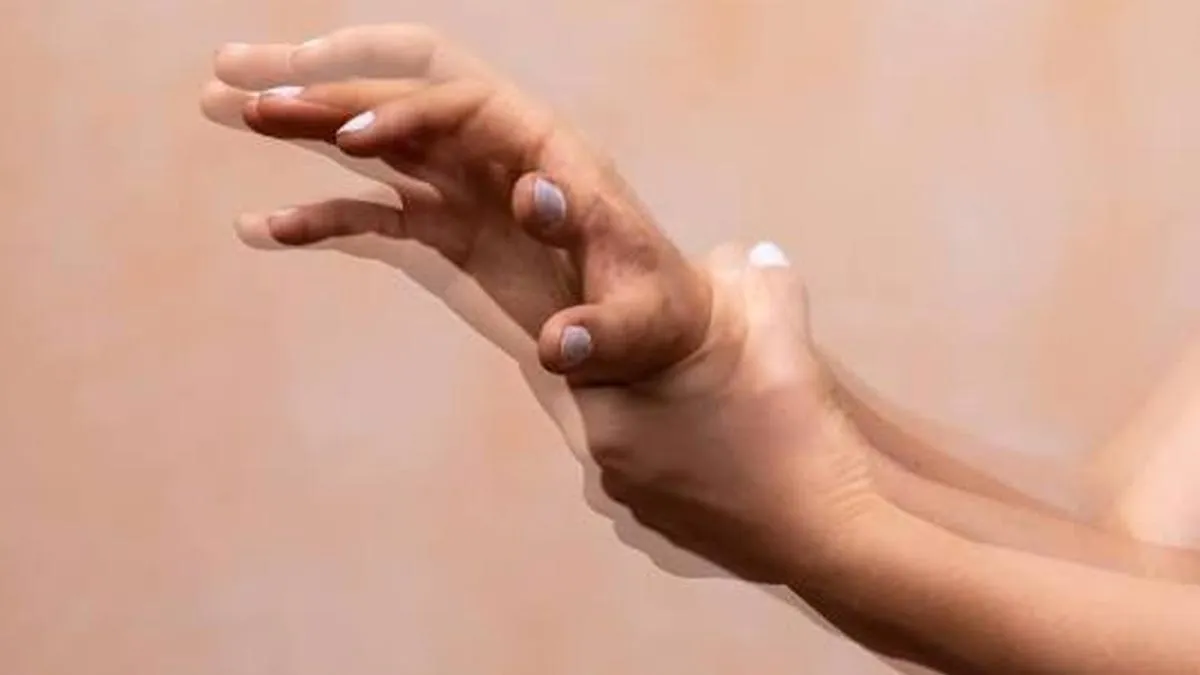
One of the side effects of this spurt is a fine quick tremor of the muscles, especially noticeable in the hands, which have many small and sensitive muscles. In most cases, it's just a normal physiological reflex, and not a sign of weakness or a medical issue.
He breaks down the specific mechanisms at play:
- Adrenaline makes the muscle spindles, which sense fine muscle movement, more sensitive, which leads to more likely small tremors.
- When we face a stressful situation a person's heart rate increases and blood flow goes to muscles to prepare them for fast action, but it can be seen as shakiness and not necessarily in the form of action.
- During acute stress times, blood sugar may change and low blood sugar can also be a factor in shaking and may worsen the shaking caused by stress.
- Another typical stress reaction is a rise in muscle tension, which can accentuate or intensify any existing fine tremors.
- The same physiological pathway activates during fear, excitement, anger, or anxiety, which is why hands can shake in various emotionally intense situations, not just negative stress
This lines up with current research on what's called physiological tremor. According to a review published in the Journal of Neural Transmission, when you feel stress, your brain releases chemicals like adrenaline, noradrenaline, and cortisol. These chemicals prepare your body to react quickly. They make your heart beat faster. They also make your muscles tighten up. This process can cause your hands to shake.
ALSO READ- Why Is Meditation Done Cross-Legged? The Ancient History of the Lotus Position
Why Do Some People Shake More Than Others in the Same Stressful Moment?
According to Dr Krishna, individual variation comes down to a mix of factors:
- Baseline anxiety levels play a role. People with higher general anxiety tend to have a more reactive stress response, including more noticeable tremors
- Caffeine and stimulant intake can amplify stress related shakiness, since both act on similar physiological pathways
- Sleep deprivation and fatigue lower the threshold for visible tremors under stress
- Some people are simply more prone to physiological tremor in general, stress or not, due to individual variation in nervous system sensitivity
- Certain medications, thyroid conditions, or low blood sugar can make someone more prone to stress related shaking than others
Is Stress-Related Hand Shaking Ever a Sign of Something More Serious?
Usually not, according to Dr Krishna, when it's occasional and clearly tied to a stressful moment. But he flags specific situations worth paying attention to:
- The shaking happens frequently, even without an obvious stressful trigger
- It's accompanied by other symptoms like unexplained weight loss, rapid heartbeat, or excessive sweating, which could point to a thyroid issue
- The tremor persists at rest, rather than easing once the stressful moment passes
- There's a family history of tremor disorders, or the shaking is asymmetrical or worsening progressively over time, which needs proper neurological evaluation
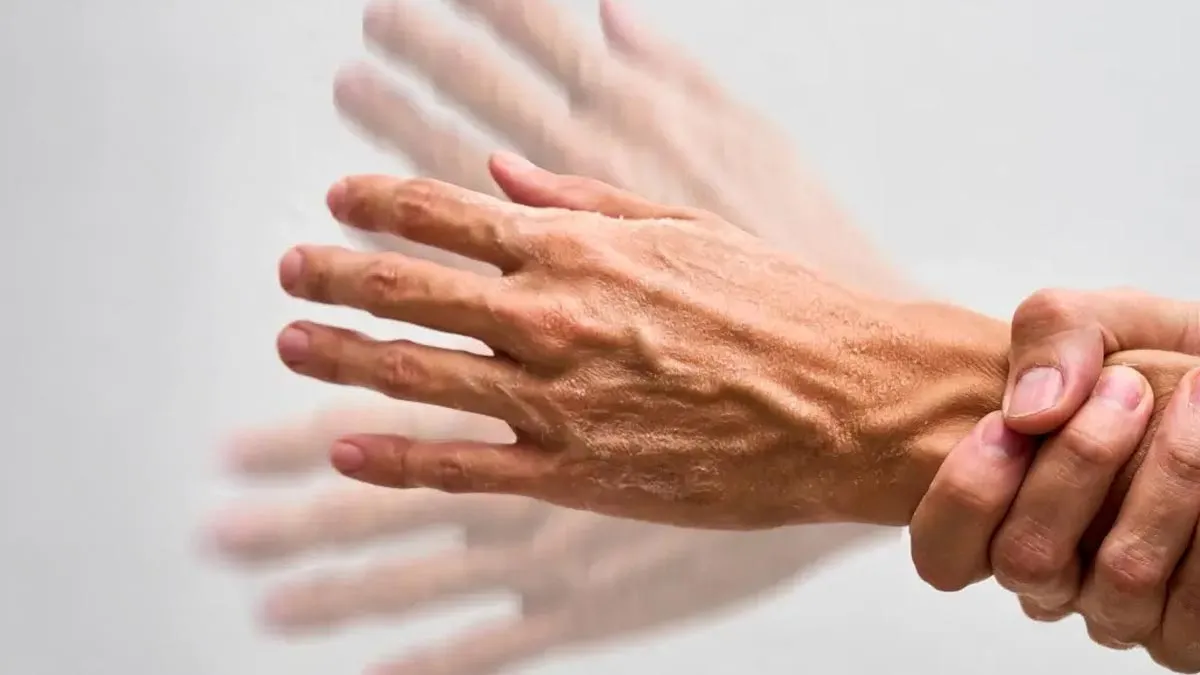
- This distinction matters clinically too. Research on essential tremor, a genuine neurological condition, found that stress doesn't just cause temporary shaking in healthy people.
 02
According to the NIH National Institute of Neurological Disorders and Stroke, it can also worsen symptoms in those who already have a tremor disorder, with patients showing heightened sensitivity to psychological stress linked to both onset and progression of their condition. This is exactly why persistent or worsening tremors, unlike a passing stress response, warrant proper medical evaluation rather than assuming it's simply nerves.
How Can You Manage or Reduce Stress-Related Hand Shaking?
Dr Krishna offers a practical set of strategies:
- Slow, deep breathing can help calm the nervous system and reduce the physiological stress response driving the tremor
- Reducing caffeine intake, particularly ahead of known high stress situations, can lessen the intensity of shakiness
- Keeping blood sugar stable with regular meals can help prevent low blood sugar from compounding stress related tremors
- Practising grounding techniques, like focusing on a physical sensation or object, can help redirect the nervous system's stress response
- Regular exercise and adequate sleep both help lower baseline stress reactivity over time

He adds one final, important point. If shaking significantly interferes with daily tasks or public situations, discussing it with a doctor can help rule out anxiety disorders or other contributing factors, and explore management options.
ALSO READ- Does Your Body Remember Trauma? How Stored Stress Affects Health and How to Heal
Conclusion
Shaky hands during stress are a normal, well understood physiological reflex, driven by adrenaline, muscle spindle sensitivity, and the body's broader fight-or-flight response. Most of the time, it settles once the stressful moment passes and isn't a sign of anything serious. Simple habits like deep breathing, cutting back on caffeine, and steady blood sugar can help reduce it. Persistent, worsening, or unexplained shaking, though, is worth getting checked by a doctor rather than dismissed as just nerves.
FAQ
1. Is hand shaking a result of stress in situations that aren't perceived to be stressful?
Yes, the fight-or-flight response can be activated by minute or subconscious stress factors, rather than the experience of a conscious stressor.2. Are stress-induced hand tremors more noticeable in older children?
Yes, at least a little. Physiological tremor may be more noticeable later in life, due to age-related neurological changes, in addition to stress.
All possible measures have been taken to ensure accuracy, reliability, timeliness and authenticity of the information; however Onlymyhealth.com does not take any liability for the same. Using any information provided by the website is solely at the viewers’ discretion. In case of any medical exigencies/ persistent health issues, we advise you to seek a qualified medical practitioner before putting to use any advice/tips given by our team or any third party in form of answers/comments on the above mentioned website.
How we keep this article up to date:
We work with experts and keep a close eye on the latest in health and wellness. Whenever there is a new research or helpful information, we update our articles with accurate and useful advice.
-
Current Version
Sep 03, 2026 18:04 IST
Published By : Vivek Kumar