
Most of us have a mental list of symptoms we quietly decide not to worry about. Blood in the stool tends to land right at the top of that list. It's easy to tell yourself it's probably just piles, or something you ate, and move on with your day.
But that quick dismissal is exactly the problem. We spoke to a gastroenterologist about why this particular symptom deserves a proper look, even when it seems minor, and what it can actually turn out to be.
Why Blood in Stool Should Never Be Ignored
“A symptom which people ignore, assuming it is of a minor nature, is blood in stool,” says Dr Kapil Sharma, Group Director of Gastroenterology, Yatharth Super Speciality Hospital, Greater Noida. But it can refer to something as trivial as a cause of illness or something much more serious, so it always calls for a proper evaluation instead of being ignored.
What Does Blood in the Stool Actually Mean?

In simple terms, it means there's bleeding happening somewhere along your digestive tract, Dr Sharma explains. “It can show up bright red, dark and tarry, or just mixed into the stool. The colour actually tells you something useful. Bright red usually points to bleeding lower down, closer to the rectum or anus. Dark, tarry stools tend to mean the bleeding is happening higher up in the gut,” he added.
According to a 2026 StatPearls clinical review on rectal bleeding, less than half of people who notice blood in their stool actually seek medical help. Here are the findings of the review:
- Yet doctors say the colour of the blood matters a lot.
- Bright red blood, streaking the stool or seen on toilet paper, usually points to a source lower down, near the rectum or anus.
- Dark, tarry stools tend to mean the bleeding started higher up in the gut. On its own, rectal bleeding isn't a strong sign of cancer.
- Only about 7% of people with it turn out to have colorectal cancer.
- But when it's paired with things like older age, weight loss, or a change in bowel habits, the chances of something serious go up a lot.
What Are the Possible Causes?
-1787227102399.webp) mian (5)
mian (5)
Dr Sharma lists out the range of things this symptom can come from:
- Piles: one of the most common causes, and usually harmless
- Anal fissures, which are small tears in the lining of the anus
- Gastrointestinal infections
- Inflammatory bowel disease, like ulcerative colitis or Crohn's disease
- Diverticular disease, small pouches that form in the colon wall
- Peptic ulcers
- Polyps in the colon
- Colorectal cancer
This is exactly why any bleeding that's persistent or unexplained needs a proper check.
Is Blood in the Stool Actually Serious?
Not always, Dr Sharma says, but you shouldn't assume it's harmless without checking. “A lot of the time it turns out to be something simple like piles or a fissure. Blood in the stool is also one of the earliest warning signs of colorectal cancer, and catching it early genuinely changes outcomes. It becomes more of a concern if the bleeding keeps happening, you can't explain it, you're losing weight, or your bowel habits have changed too,” she added.
This lines up with how seriously the screening world treats this exact symptom. According to the National Cancer Institute, stool tests exist specifically to check for tiny traces of blood you can't see with the naked eye. It is because both polyps and colorectal cancers can bleed. That hidden blood is often the earliest clue doctors have to work with.
Can Blood in the Stool Be Prevented?
There's a fair bit you can do, according to Dr Sharma:
- Eat enough fibre. It supports digestion and helps prevent constipation, which is a common trigger for piles and fissures
- Stay hydrated
- Try not to strain too hard during bowel movements
- Stay physically active. It's good for your gut too
- Get screened for colorectal cancer, especially past 45 or if it runs in your family. Early detection really is the best tool available
How Is It Treated?
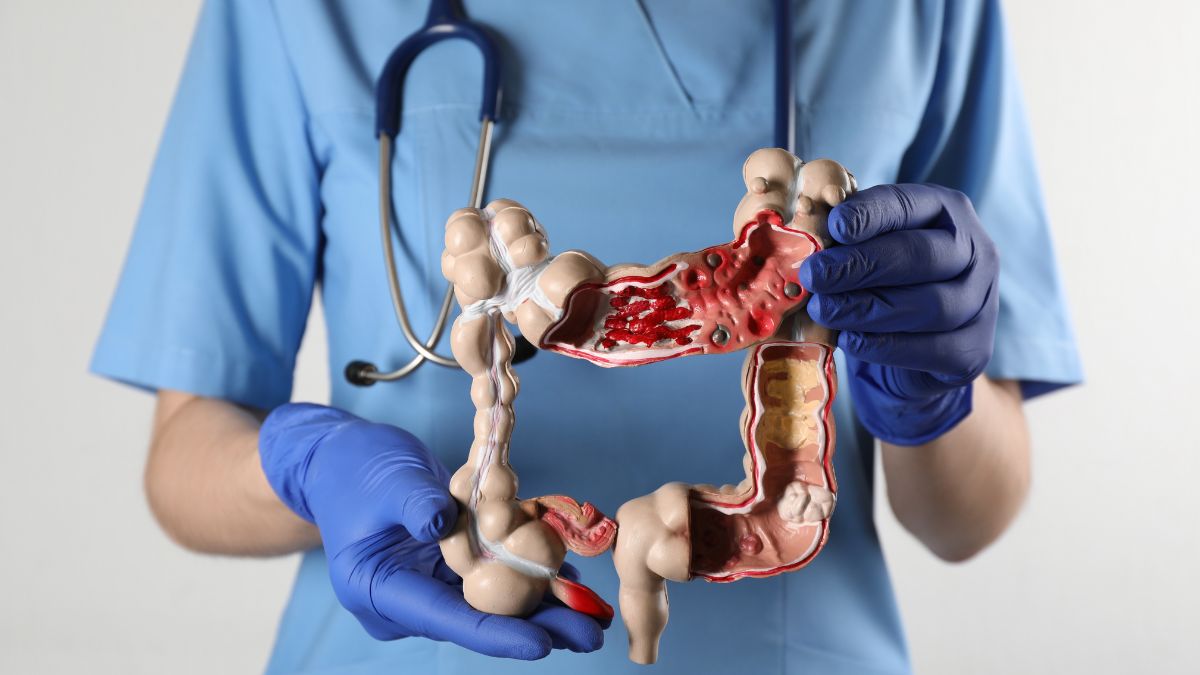
The treatment is only dependent on what it is actually caused by, Dr Sharma says.
- Dietary changes, topical treatments and improved bowel habits typically improve piles and fissures
- The correct medicine is used to treat infections depending on the cause
- Ongoing treatment for inflammatory bowel disease is required, and treatment depends on the type of IBD
- Polyps are usually taken out while performing a colonoscopy and they're usually not the cause of anything more serious
- Treatment for colorectal cancer will depend on the stage and may include surgery, chemotherapy and radiotherapy
ALSO READ- Blood in Urine With Abdominal Pain? Urologist Explains What It Could Mean
Conclusion
Blood in the stool might be harmless, like piles, or a sign of colorectal cancer. You cannot tell the difference just by looking. This symptom is critical for cancer screening and should not be ignored. A quick doctor's visit provides peace of mind and allows for early detection. Taking action now can prevent future health issues. Always consult a professional for any persistent changes in your digestion.
FAQ
1. Can medication cause blood in the stool on its own?
Yes. Some anti-inflammatory drugs, blood thinners and aspirin can lead to or aggravate gastrointestinal bleeding.2. Is it more serious if there is an increased amount of blood?
Not necessarily. However, if there is any amount of bleeding, no matter how small, it can be a sign of something serious such as cancer or polyps. Though if the bleeding is significant, it may simply be piles.
All possible measures have been taken to ensure accuracy, reliability, timeliness and authenticity of the information; however Onlymyhealth.com does not take any liability for the same. Using any information provided by the website is solely at the viewers’ discretion. In case of any medical exigencies/ persistent health issues, we advise you to seek a qualified medical practitioner before putting to use any advice/tips given by our team or any third party in form of answers/comments on the above mentioned website.
How we keep this article up to date:
We work with experts and keep a close eye on the latest in health and wellness. Whenever there is a new research or helpful information, we update our articles with accurate and useful advice.
-
Current Version
Aug 20, 2026 20:56 IST
Published By : Vivek Kumar
Reviewed By : Dr Kapil Sharma