-1790258481836_m.webp)
It can be frightening to see blood in your stool but it doesn't necessarily mean there is something wrong. The blood can be bright red, dark or mixed in with the stool and can vary in amount. These details can give clues, but they can't tell you exactly what causes it.
Common causes of bleeding are haemorrhoids and anal fissures but other causes include infection, diverticular disease, inflammatory bowel disease, polyps and, in rare cases, colorectal cancer. A gastroenterologist explains what the colour and pattern of blood may indicate and which symptoms should not be overlooked.
What Does the Colour of Blood in Stool Mean?
Dr Vishal Khurana, Director & HOD - Gastroenterology & Hepatobiliary Sciences Metro Heart Institute, Faridabad, explains that while the colour can give some hints on where the bleeding is coming from, it is not sufficient to make the diagnosis.
Blood during bowel movements is typically bright red and a sign of bleeding in the lower half of the gastrointestinal system, typically in the lower portion of the rectum or anus. This may happen when you have haemorrhoids or anal fissures.
 blood in stool
A black or dark stool (melena) may be due to bleeding in the upper stomach or small bowel. Blood turns a different colour once it has been eaten.
If the blood is well mixed into the stool, as opposed to just on the surface, this may be a sign that the bleeding is occurring from a more proximal section of the digestive tract.
According to Harvard Health Publishing, blood in stool can stem from various sources. Bright red blood typically points to lower digestive tract issues like hemorrhoids or anal fissures. Dark or tarry stool suggests bleeding higher up in the stomach or small intestine. Certain foods and medications can also alter stool colour.
What Are the Possible Causes?
Dr Khurana says that some of the potential reasons for blood in the stool are:
- Haemorrhoids: One of the most common causes. They can produce blood in the stool or on toilet paper that is bright red with little or no discomfort.
- Anal fissures: They are small tears in the lining of the anus and they will usually result in bright red blood and extreme pain during bowel movements.
- Gastrointestinal infections: These can result in diarrhoea, cramps, fever and blood in faeces.
- Diverticular disease: The colon wall can have small pockets that sometimes bleed, leading to sudden blood loss, which may be quite large, but is not associated with pain.
- Diarrhoea: Inflammatory bowel disease (IBD) which may lead to Crohn's disease or ulcerative colitis can cause diarrhoea, stomach pain, loss of appetite and weight loss, with the presence of blood and mucus.
- Peptic ulcers: Dark (tarry) stools and upper abdominal pain may be caused by bleeding from the upper gastrointestinal tract.
- Polyps: These are growths (tumours) that can bleed and in some instances can cause cancer in the colon.
- Persistent or unexplained rectal bleeding should be properly evaluated because of a serious possibility of colorectal cancer, although this type of cancer is less prevalent.
Why Can Assuming It Is Just Piles Be Risky?
Haemorrhoids are common, but assuming that every episode of rectal bleeding is caused by piles can delay the diagnosis of another condition. It is also possible for a person to have haemorrhoids as well as a separate cause of bleeding. This is why self-diagnosis based only on the appearance of blood can be misleading.
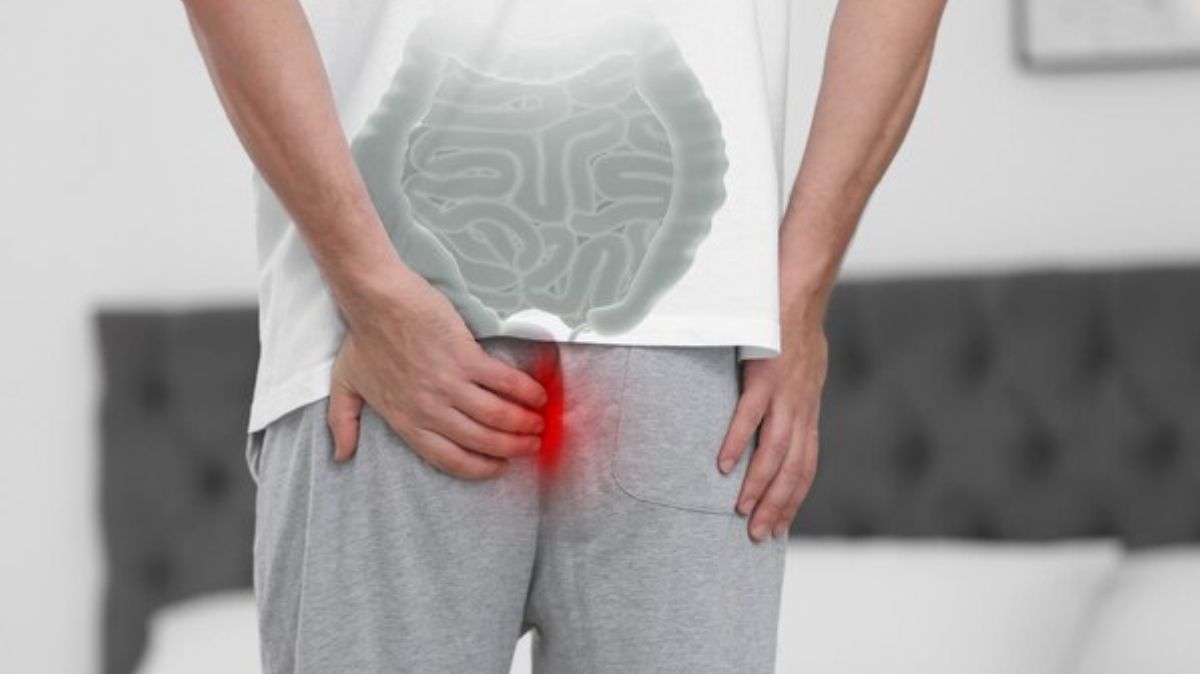
Dr Khurana explains that the colour, amount and way the blood appears can provide clues, but proper medical evaluation is needed to determine the actual cause.
Which Symptoms Along With Blood in Stool Need Attention?
Blood in the stool becomes more concerning when it occurs alongside other changes. Dr Khurana mentions the following symptoms and patterns:
- Weight loss for no known reason and blood in the stool.
- Colour changes in stool that last for over a few weeks
- New constipation or diarrhoea
- A change of shape of the stool.
- New, persistent or worsening abdominal pain.
- Fatigue or signs of anaemia, such as pallor, dizziness or shortness of breath
- Family history of colon or bowel cancer or inflammatory bowel disease.
The rising incidence of colorectal cancer in young adults should not be the only reason to not worry about blood in the stool. Individual symptoms and screening guidelines should be taken into account.
If there is significant blood, blood clots or bleeding with significant pain, medical evaluation and treatment may be required the same day.
What Should You Do If You Notice Blood in Your Stool?
If it is the first episode or a new pattern, Dr Khurana advises against simply waiting to see whether it disappears. Instead, consult a doctor for the right diagnosis rather than assuming that the bleeding is from haemorrhoids because the symptoms look similar.

It can also help to be specific about:
- The nature of the blood
- How often it occurs
- The amount of blood
- Whether it is on the stool or mixed with it
- Other symptoms occurring alongside it
Diagnostic procedures such as colonoscopy may be used to determine the source of bleeding. Avoiding evaluation because of discomfort or embarrassment can delay the diagnosis of a treatable condition.
Extensive blood loss, dizziness, loss of consciousness or copious amounts of blood require immediate medical attention.
ALSO READ- IBS vs IBD: Expert Explains The Red Flags You Should Not Ignore
Conclusion
There are several reasons for blood in the stool, and its colour, quantity and pattern can be helpful. These details are not, however, conclusive by themselves.
Common causes are haemorrhoids and fissures, but if the bleeding doesn't stop or if there is no cause there may be a problem that needs to be assessed properly. It is important to know about the cause by a doctor and not assume so a treatable condition is not overlooked.
FAQ
Are there any foods or medications that can cause bloody stool when it's not actually really?
Yes. Beetroot, red food colouring or iron tablets can cause the stool to be red or dark, but this is not actual blood.Is it normal to have blood in the stool only sometimes?
Any blood in the stool should be suspected, especially if there is any change in stool texture or if the stool first appears, or if the stool stream is altered.
All possible measures have been taken to ensure accuracy, reliability, timeliness and authenticity of the information; however Onlymyhealth.com does not take any liability for the same. Using any information provided by the website is solely at the viewers’ discretion. In case of any medical exigencies/ persistent health issues, we advise you to seek a qualified medical practitioner before putting to use any advice/tips given by our team or any third party in form of answers/comments on the above mentioned website.

How we keep this article up to date:
We work with experts and keep a close eye on the latest in health and wellness. Whenever there is a new research or helpful information, we update our articles with accurate and useful advice.
-
Current Version
Sep 24, 2026 19:33 IST
Modified By : Vivek Kumar Sep 24, 2026 19:33 IST
Modified By : Vivek KumarSep 24, 2026 19:33 IST
Published By : Vivek Kumar
Reviewed By : Dr Vishal Khurana