Polyendocrine metabolic ovarian syndrome (PMOS), which was earlier known as Polycystic ovary syndrome (PCOS) may present in widely varying ways in different patients at various ages. Irregular periods, acne, excessive facial hair, weight gain or ovulation problems may get better for months or years. This can cause some women to ask themselves if their PMOS has gone away. Typically, it hasn't.
Improved PMOS symptoms are more likely to be due to control of the condition or less noticeable features. The appearance can change due to weight gain or loss, lifestyle changes, medications, pregnancy and age. So, will it pass? The answer becomes clear once the symptoms are distinguished from the underlying hormonal/metabolic tendencies.
Can PMOS Actually Go Away On Its Own?
“Not in the way most people hope,” says Dr Ritambhara Bhalla, Associate Director - Department of Obstetrics and Gynecology at Cloudnine Group of Hospitals, Chandigarh. “PMOS is a chronic hormonal and metabolic condition, not a temporary imbalance that resolves by itself over time.”
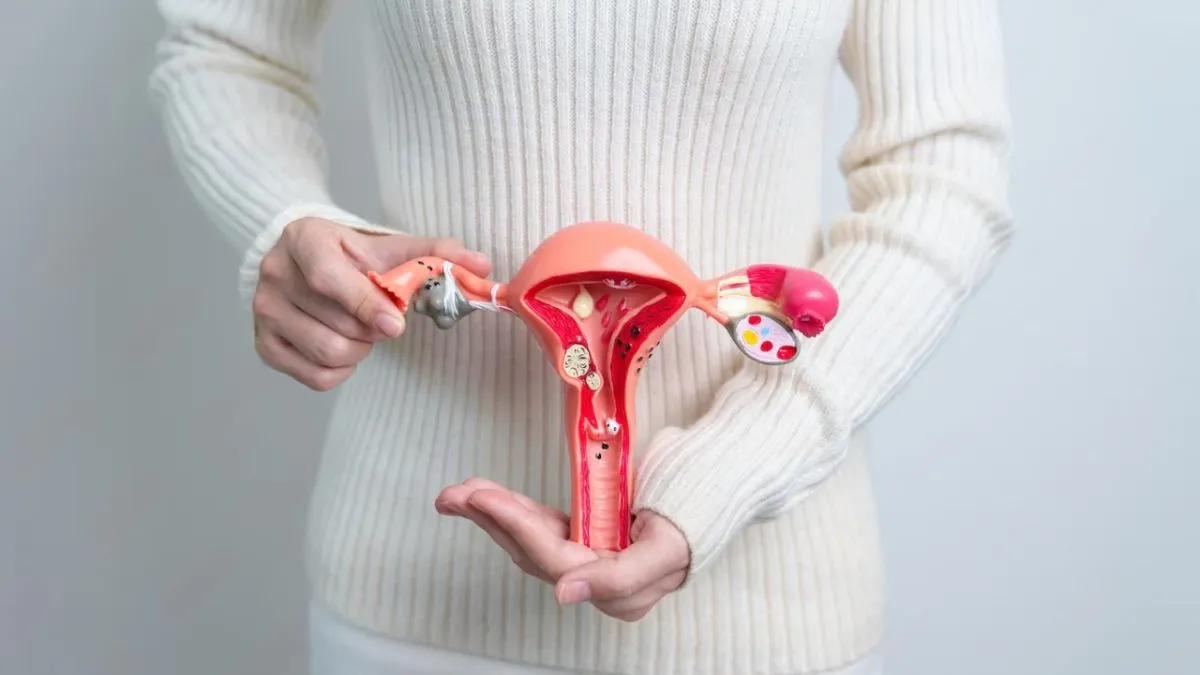
That does not mean symptoms stay the same forever. Dr Bhalla explains that weight changes, age and lifestyle can improve symptoms “sometimes dramatically”, making it seem as though PMOS has gone away. “What’s actually happening is symptom management, not the underlying condition disappearing,” the doctor adds.
The 2023 International Evidence-Based Guideline for PCOS says a diagnosis can be considered enduring or lifelong. This means that even after menopause, PMOS health risks can continue. You may still have higher hormone levels. You may also have a higher chance of heart issues. It is important to keep monitoring your heart and metabolic health throughout your life.
Why Can PMOS Feel Like It Has Gone Away?
One reason is that the symptoms can improve quite a lot. Dr Bhalla says even a 5–10% weight loss can improve insulin sensitivity and, in some women, help restore regular ovulation and periods.
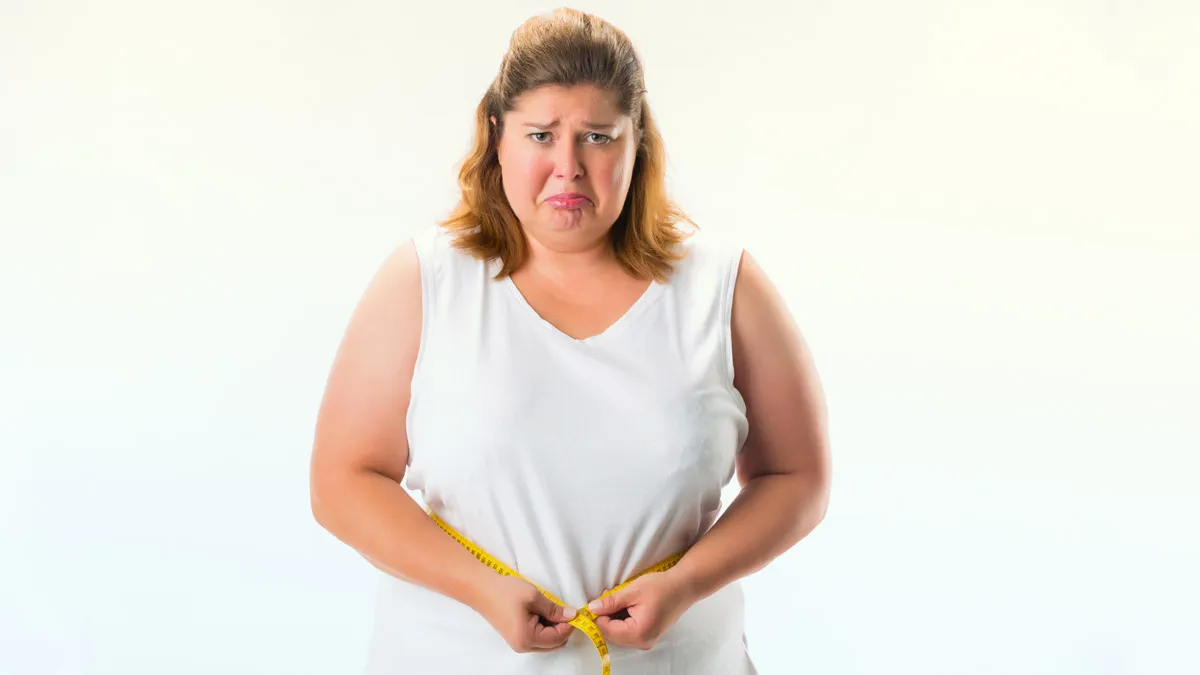
Recent research supports the link between weight loss and better ovulatory function. A 2024 Reprod Biomed Online analysis of 95 women with PMOS and obesity found that some women started ovulating again after six months of lifestyle changes. These women also showed improvements in hormone and metabolic measures. Earlier research suggests that losing around 5–10% of body weight may help improve irregular or absent ovulation.
So, getting regular periods after losing weight is encouraging. But it does not necessarily mean the PMOS itself has disappeared.
Can PMOS Symptoms Disappear With Birth Control?
They can become much less obvious. Dr Bhalla says hormonal birth control can effectively control symptoms such as irregular periods and acne. This can make someone feel that their PMOS has been cured, even though the underlying tendency remains.

The same idea applies to other treatments. A symptom improving while treatment is working is not proof that the original condition has gone away.
That is why doctors look at the overall history rather than relying only on whether periods have become regular or acne has improved.
Can Pregnancy Make PMOS Better?
Pregnancy can temporarily change the picture. Dr Bhalla explains that pregnancy causes major hormonal changes, which can create a perception that PMOS has improved afterwards. But pregnancy itself does not mean the underlying condition has been permanently eliminated.
The important point is that PMOS can look different during different life stages. Symptoms may become more noticeable, less noticeable or temporarily difficult to recognise.
What Happens To PMOS As You Get Older?
The symptoms and behaviours of PMOS are not necessarily the same in the 30s, 40s or beyond. Some symptoms may be less noticeable with age or after childbearing, says Dr Bhalla. Meanwhile, metabolic issues like insulin resistance may persist and be more significant to monitor.
A 2023 Hum Reprod Update review of 37 studies found that women with PMOS during and after menopause continued to have higher androgen levels, insulin resistance and fasting glucose than controls. The analysis also found about three times higher odds of diabetes in women with PMOS compared with controls.
This does not mean every woman with PMOS will develop diabetes. It shows why feeling symptom-free should not automatically mean the condition can be forgotten.
Can PMOS Be Gone After Menopause?
Periods naturally stop after menopause, so one of the most obvious signs of PMOS, irregular periods, is no longer useful for tracking the condition. But Dr Bhalla says the underlying metabolic risks can remain.
The evidence after menopause is not completely straightforward. A 2022 Maturitas review found that the PMOS phenotype often becomes less pronounced with ageing and that some differences in cardiometabolic risk may narrow after menopause. However, the authors also highlighted major gaps in long-term evidence. This is why “PMOS disappears after menopause” is too simple a conclusion.
Does Feeling Cured Mean You No Longer Have PMOS?
No. “Effective management, whether through lifestyle changes, medication, or both, addresses the symptoms and reduces associated risks, but it doesn't reverse the underlying hormonal and metabolic tendencies,” says Dr Bhalla.
The doctor compares it with well-controlled diabetes. The condition is still present, but it is being managed effectively. That distinction matters because stopping whatever was helping may allow symptoms to return.
Can PMOS Symptoms Return After Years?
Yes. Dr Bhalla says symptoms can resurface when weight is regained, medication is stopped or major lifestyle changes occur. That does not mean PMOS has suddenly come back. It may mean that the factors controlling its symptoms have changed.
For example, a woman who once had irregular periods may begin having regular cycles after losing weight. If weight is later regained, irregular ovulation may return. This is one reason regular follow-up can be useful even when symptoms are currently mild.
What Should You Focus On If PMOS Does Not Simply Go Away?
The goal should be long-term health, not to remove all the symptoms forever. Dr Bhalla suggests focusing on:
- Making lifestyle choices for sustainability, not quick fixes
- The need for regular health monitoring even if the symptoms are not obvious
- Not only periods, acne or hair growth, but also the long-term health of your metabolism
- Treatment as life stages change
- Talking to a health care provider about fertility planning, pregnancy transition or menopause transition
- Insulin resistance and abnormal lipid profiles are all linked to PMOS
ALSO READ- Why PCOS May Cause Belly Fat? Gynaecologist Explains Causes, Diet, and Exercise That May Help
Conclusion
PMOS usually does not go away on its own, even when its symptoms do. Regular periods, clearer skin or improved ovulation can mean that your PMOS is being managed well or that its features have become less noticeable. They do not automatically mean the underlying condition has disappeared.
As Dr Bhalla explains, “Most current medical understanding treats PMOS as a lifelong condition requiring ongoing awareness and management, even during periods where symptoms are minimal or absent.” The goal, therefore, is not simply to ask whether PMOS has gone away. It is to understand what has improved, what still needs monitoring and how management should change over time.
FAQ
Can PCOS be diagnosed again if symptoms return?
PCOS is diagnosed using a combination of clinical history, symptoms and, when appropriate, examination or tests. A return of irregular periods, excess androgens or other features may prompt a doctor to reassess the situation rather than assuming the condition has newly developed.Can someone with PCOS have completely regular periods for years?
Yes. Periods can become regular for long periods, particularly after lifestyle changes or treatment. Regular cycles are a positive sign, but they alone do not prove that the underlying PCOS tendency has disappeared.
All possible measures have been taken to ensure accuracy, reliability, timeliness and authenticity of the information; however Onlymyhealth.com does not take any liability for the same. Using any information provided by the website is solely at the viewers’ discretion. In case of any medical exigencies/ persistent health issues, we advise you to seek a qualified medical practitioner before putting to use any advice/tips given by our team or any third party in form of answers/comments on the above mentioned website.

How we keep this article up to date:
We work with experts and keep a close eye on the latest in health and wellness. Whenever there is a new research or helpful information, we update our articles with accurate and useful advice.
-
Current Version
Sep 15, 2026 16:07 IST
Modified By : Vivek Kumar Sep 15, 2026 16:07 IST
Published By : Vivek Kumar
Reviewed By : Dr Ritambhra Bhalla