
‘Oiling is bad for hair’ – this misconception has been broken time and again. Now, professionals as well as people are very well aware of the benefits of hair oiling. But choosing the right hair oil is also crucial. While commercially available oils are convenient, natural homemade ones are believed to be far more effective. One such natural oil is gooseberry aka amla oil. Its benefits in improving hair health is widely known. Can amla oil promote hair growth? This article will answer it for you.
To get an expert view on this, we reached out to Dr Ruben Bhasin Passi, Consultant - Dermatologist, CK Birla Hospital, Gurugram. Read ahead.
Is Amla Oil Good For Hair Growth?
Amla oil, also known as Indian gooseberry (Phyllanthus emblica), is a fruit that is native to Asia. It is known for its varied use. Amla oil is a popular haircare product as it contains antioxidants, vitamin C, fatty acids, and phytochemicals. It is known to be effective in promoting scalp health and hair strength. So, is amla oil good for hair growth? Our expert answers.
“The antioxidant and anti-inflammatory properties of amla oil can be utilised to promote the nourishment of the scalp, promote the strengthening of the roots of the hair, and prevent oxidative damage, which is required for the promotion of healthy hair growth. Certain lab and animal studies have indicated positive effects on hair growth patterns,” explains Dr Passi.
 amla hair oil 1
Can You Put Amla Oil In Your Hair Every Day?
As per a 2023 research, extraction of amla juice results in a lot of wet amla residue or amla pomace as a by-product. It is said to contain a lot of nutrients. These bioactive compounds are said to have many health benefits and therapeutic value in humans, when consumed. The research stated that amla pomace powder is a rich source of ascorbic acid, good source of dietary fibre and also phytonutrients like polyphenols and tannins. It further added that amla juice is also a good source of minerals like calcium, phosphorus, sodium and magnesium.
Thus, it goes without saying that amla juice is healthy. But does it mean you can use it as a hair oil everyday? Let’s find out.
“Although it is effective to use amla oil on a daily basis for scalp conditioning and blood circulation for some individuals, it can sometimes cause buildup and greasiness, especially for individuals with oily scalps. However, most individuals agree that it is best to use amla oil 1-2 times a week,” shares Dr Passi.
Also Read: Amla For Hair: Understanding Benefits And How To Use It
Can Amla Oil Stop Hairfall?
Hairfall remains one of the most common problems related to hair that people face. So one question that is often asked is – can amla oil reduce or curb hairfall? “Amla oil has antimicrobial and antifungal actions that help maintain a healthy scalp environment. Combined with its antioxidants, it may reduce hair fall related to follicle stress or dandruff when used consistently. However, controlled clinical studies specifically proving significant hairfall reduction from topical amla oil are still limited,” explains Dr Passi.
On this note, let us take a look at some of the common benefits of amla oil for hair:
- Leads to thicker hair – Amla oil is believed to stimulate your hair follicles. This is said to promote hair growth, leading to thicker hair.
- It has antioxidant properties – The presence of vitamin C and other antioxidants in amla improves the quality of hair shafts and minimises hair breakage. It also protects the hair’s health from damage by environmental factors.
- Helps prevent premature hair greying – Amla’s natural properties can help manage deficiencies that aid in combating premature greying of hair.
- Nourishes hair scalp – One of the most crucial amla oil benefits for hair is that it nourishes the scalp and keeps dryness at bay. This prevents your hair from a host of issues such as dandruff and itching.
- It has anti-inflammatory properties – Amla has anti-inflammatory properties that can help enhance the health of your hair and scalp.
- It gives hair a natural shine – When amla oil is used for hair massage, it can add a natural shine to your mane and give it a smooth and voluminous texture.
- It enhances hair texture – Amla hair oil nourishes the hair and aids in frizz control. It also improves the hair texture and makes them look more healthy.
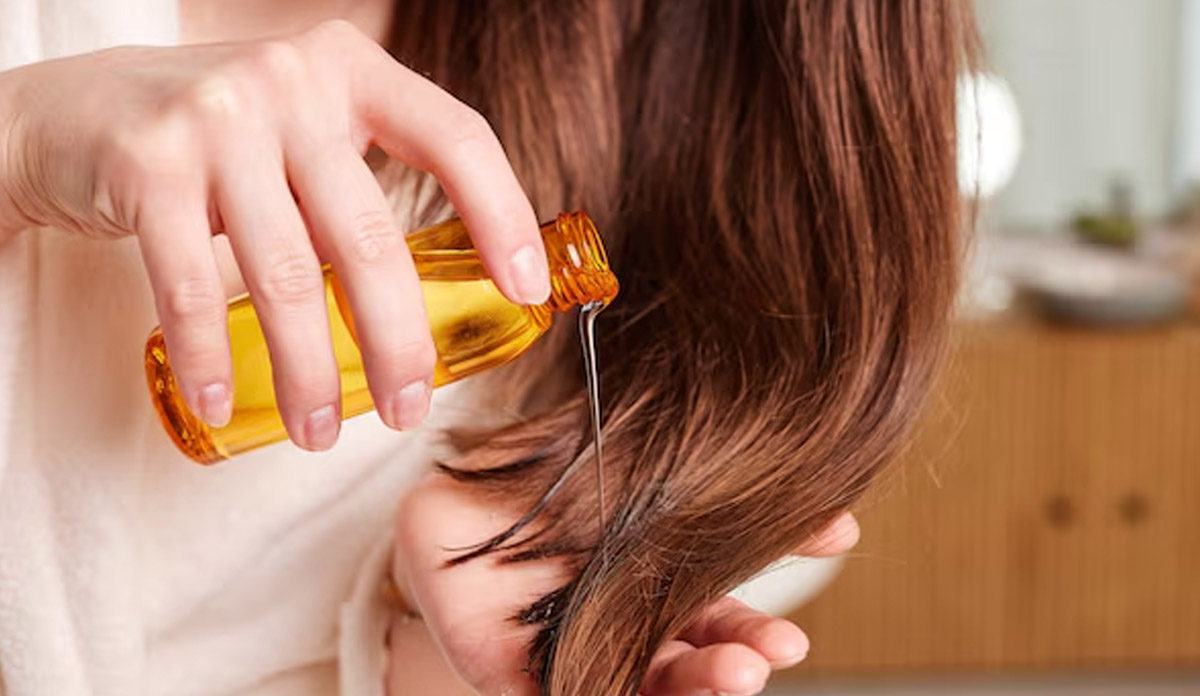 amla hair oil 2
What Are The Disadvantages Of Amla Hair Oil?
Till now, we learnt how amla oil is a good choice for our hair. Summarising its pros, Dr Passi shares, “Benefits of amla supported by traditional and emerging scientific literature include scalp nourishment, antimicrobial effects, protection against oxidative damage, improved texture and shine, and a supportive environment for hair growth. Amla also pairs well with other oils or massage routines to enhance circulation and follicle health.”
But what about its side effects? The expert sheds light on that as well.
“Research indicates that while generally safe, amla oil’s effects vary by individual. Some users may experience irritation or oily buildup if used too frequently or without proper cleansing. There is no strong clinical proof that amla oil alone dramatically regrows hair, and high expectations can lead to disappointment,” concludes Dr Passi.
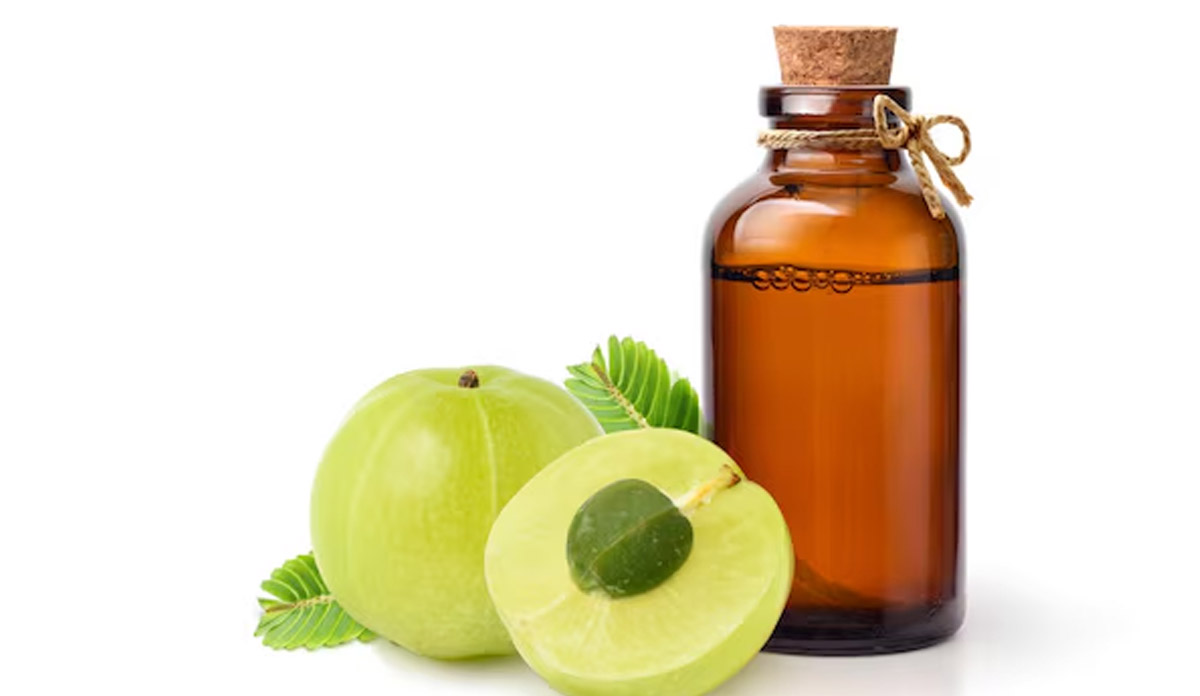 amla hair oil 3
The Final Word
The antioxidant and anti-inflammatory properties of amla oil can be utilised to promote the nourishment of the scalp, promote the strengthening of the roots of the hair, and prevent oxidative damage, which is required for the promotion of healthy hair growth. While generally safe, amla oil’s effects vary by individual.
FAQ
Does amla oil help to grow hair?
Yes, amla oil (Indian gooseberry) is widely believed to support hair growth by strengthening roots, nourishing follicles, and improving scalp health.Can you put amla oil on hair every day?
It is advised to apply amla oil to the hair and scalp up to twice weekly.What are the disadvantages of amla hair oil?
Amla oil is generally safe, but potential side effects include scalp irritation or allergic reactions (redness, itching), temporary hair texture changes (coarser feel), and dryness.
All possible measures have been taken to ensure accuracy, reliability, timeliness and authenticity of the information; however Onlymyhealth.com does not take any liability for the same. Using any information provided by the website is solely at the viewers’ discretion. In case of any medical exigencies/ persistent health issues, we advise you to seek a qualified medical practitioner before putting to use any advice/tips given by our team or any third party in form of answers/comments on the above mentioned website.
How we keep this article up to date:
We work with experts and keep a close eye on the latest in health and wellness. Whenever there is a new research or helpful information, we update our articles with accurate and useful advice.
-
Current Version
Jan 28, 2026 16:30 IST
Modified By : Shruti Das Jan 28, 2026 16:30 IST
Modified By : Shruti DasJan 28, 2026 16:30 IST
Published By : Shruti Das
Reviewed By : Dr Ruben Bhasin Passi