
From insomnia to fast heartbeat, anxiety has many physical symptoms and side effects. People often wonder whether this mental disorder is also linked to hair fall or not. We are all aware how stress can cause hair fall. Since stress and anxiety go hand-in-hand, can it also be a cause of thinning hair? Today, this article will explain this for you.
To understand this better, we interacted with our experts, Dr Sharadhi C, Consultant Psychiatry, Aster CMI Hospital, Bangalore, and Dr Murali Krishna, Visiting Consultant, Psychiatry and Counselling Services, Aster RV Hospital, Bangalore.
Can Severe Anxiety Lead to Hair Fall?
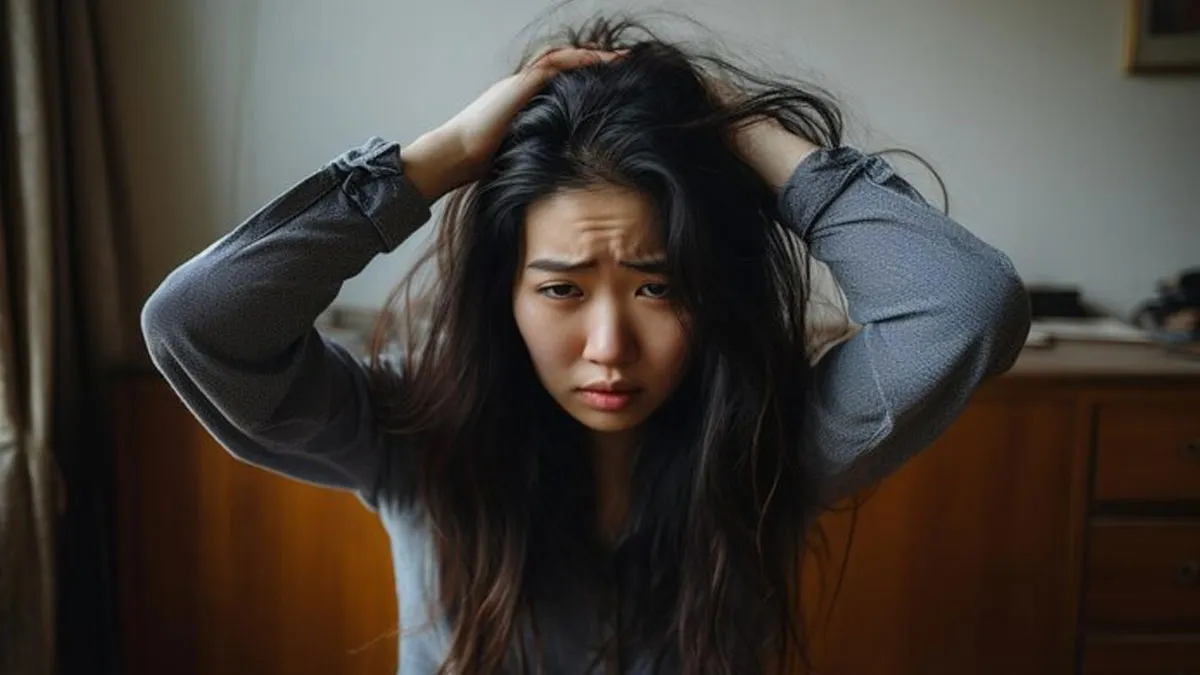
Dr Sharadhi confirms that prolonged or severe psychological stress can contribute to temporary hair shedding. The expert explains, “This is commonly known as Telogen Effluvium. Significant stress can push more hair follicles than usual into the resting phase, causing increased shedding several weeks or months after the stressful period.”
She continues, “Anxiety may therefore be one contributing factor, although it is not the only possible cause of hair loss. Nutritional deficiencies, thyroid problems, hormonal changes, certain medications and scalp conditions can also contribute.”
Adding to this, Dr Krishna shares, “Severe or prolonged anxiety can contribute to hair loss, although it is usually an indirect effect rather than a direct cause. Chronic stress and anxiety increase the production of stress hormones, which can disrupt the normal hair growth cycle.”
 anxiety hairfall 1
Can Anxiety Cause Other Hair Problems?
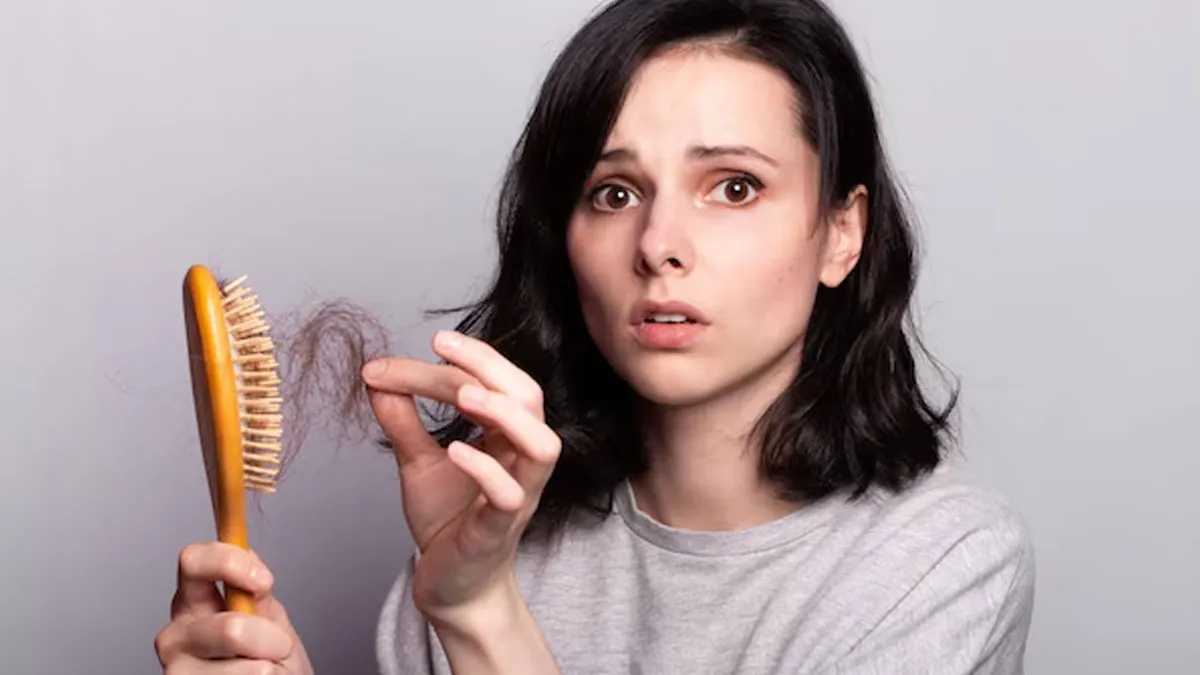
Dr Krishna says that anxiety can also worsen existing hair disorders. The expert lists them for us:
- Anxiety can worsen alopecia areata, an autoimmune condition in which the immune system attacks hair follicles, resulting in patchy hair loss.
- Additionally, some individuals cope with anxiety by repeatedly pulling out their hair, a condition known as trichotillomania, which requires psychological evaluation and treatment.
- Apart from biological changes, anxiety often affects sleep quality, appetite, and nutrition. Poor intake of essential nutrients like iron, protein, zinc, and vitamins can further contribute to hair thinning.
- Certain medications used to manage anxiety may also have hair loss as an uncommon side effect.
 anxiety hairfall 2
What Study Says About Anxiety’s Link To Hairfall
A 2025 study, published in the journal Cureus, examines the strong connection between mental health struggles and hair loss. It notes that conditions such as anxiety can indeed cause your hair to fall out.
The research says that when you experience chronic anxiety, your body remains in a constant state of alert. This produces high levels of a stress hormone called cortisol. This elevated cortisol directly harms your natural hair growth cycle.
It adds that severe anxiety can also confuse your immune system. This sometimes causes your body's defenses to mistakenly attack your own hair follicles. Moreover, constant stress creates hidden inflammation and cellular damage across your scalp. This ruins the healthy environment required for new hair to grow.
In certain cases, overwhelming anxiety causes subconscious physical habits such as pulling out one's own hair, which can directly cause bald patches. This relationship unfortunately forms a vicious cycle. This is because the emotional devastation of losing your hair often worsens the original anxiety. The researchers conclude that truly fixing anxiety-induced hair loss begins with the healing of mind and lowering stress levels, rather than just treating only the scalp.
 anxiety hairfall 3
Tips To Manage Anxiety-induced Hairfall
Dr Sharadhi says that managing stress, maintaining a balanced diet and getting adequate sleep may support recovery. “If hair loss is sudden, severe, patchy or persistent, consult a dermatologist,” she adds.
Adding to this, Dr Krishna says, “The good news is that anxiety-related hair loss is usually temporary once the underlying stress is addressed. Managing anxiety through counselling, cognitive behavioral therapy, regular physical activity, relaxation techniques, and healthy sleep habits can support hair regrowth. A balanced diet rich in protein, iron, and essential vitamins also plays an important role. However, persistent or severe hair loss should always be evaluated by a dermatologist to identify other possible medical causes and ensure appropriate treatment.”
ALSO READ- Can Anxiety Cause Acidity? Doctor Answers
Conclusion
Severe anxiety can significantly add to hair loss by harming your natural hair growth cycle through elevated stress hormones and poor nutritional habits. But the good news is that anxiety-induced hair shedding is usually a temporary condition. It can be reversed once the underlying psychological distress is properly managed. You can manage it by prioritising your mental well-being, practicing effective stress management, and maintaining a balanced diet. By following these, you can break this vicious cycle and promote healthy hair regrowth.
FAQ
How to stop losing hair from stress?
To stop hair loss from stress, you must lower your stress levels and support your body with proper care so your hair can return to its normal growth cycle.How long does it take for hair to grow back from stress?
It typically takes 6 to 9 months for hair to regrow and return to its normal volume after stress-induced hair loss.
All possible measures have been taken to ensure accuracy, reliability, timeliness and authenticity of the information; however Onlymyhealth.com does not take any liability for the same. Using any information provided by the website is solely at the viewers’ discretion. In case of any medical exigencies/ persistent health issues, we advise you to seek a qualified medical practitioner before putting to use any advice/tips given by our team or any third party in form of answers/comments on the above mentioned website.
How we keep this article up to date:
We work with experts and keep a close eye on the latest in health and wellness. Whenever there is a new research or helpful information, we update our articles with accurate and useful advice.
-
Current Version
Aug 31, 2026 18:31 IST
Published By : Shruti Das
Reviewed By : Dr Sharadhi C