
You wash your hair. You see strands in the drain. Panic sets in. But is daily washing really the cause? "Not directly in most cases," says Dr Sandeep Mahapatra, Director and Senior Consultant Dermatologist at Neo Follicle Hair Transplant and Dermasolutions, Bengaluru. Here is what he wants you to know before you cut back on washes.
Does Washing Your Hair Every Day Cause Hair Fall?
Dr Mahapatra is direct about this. "Washing hair daily doesn't inherently cause new hair to fall out," he says. "But it can make existing shedding more noticeable, since hair that's already in its natural shedding phase tends to come loose during washing."

He adds an important detail. "For some people, especially those with dry or sensitive scalps, frequent washing combined with harsh products or hot water can weaken hair strands over time and contribute to breakage, which is often mistaken for hair fall."
ALSO READ- Why Does Hair Fall Increase in Monsoon? Expert Tips to Protect Your Hair
Why Does This Happen?
According to Dr Mahapatra, a few things are actually going on beneath the surface:
- Daily washing with hot water can strip natural oils from the scalp, leaving hair drier and more prone to breakage.
- Vigorous scrubbing or rough towel drying can cause physical damage to hair strands.
- Harsh shampoos with strong sulphates can irritate the scalp, especially with frequent use.
- Loose hairs from the natural shedding cycle, which happens regardless of washing frequency, become more visible when rinsing and detangling wet hair.
- Overuse of styling products combined with frequent washing can weaken hair over time.
According to a 2021 study published in Skin Appendage Disorders (2021), researchers looked specifically at how often people shampoo and its effect on hair and scalp health, focusing on Asian hair types. Contrary to popular belief, they found daily washing didn't cause hair fall or damage.
Instead, it actually led to better scalp health overall. Participants reported more "good hair days" when washing frequently. The study also found that even medicated, anti-dandruff shampoos didn't cause extra oiliness, challenging the common myth that frequent washing overworks the scalp's oil glands.
Will Your Hair Get Healthier If You Stop Washing It?
"Not necessarily," Dr Mahapatra says plainly. "Skipping washes doesn't strengthen hair or reduce shedding, since normal hair loss happens on its own natural cycle regardless of wash frequency."
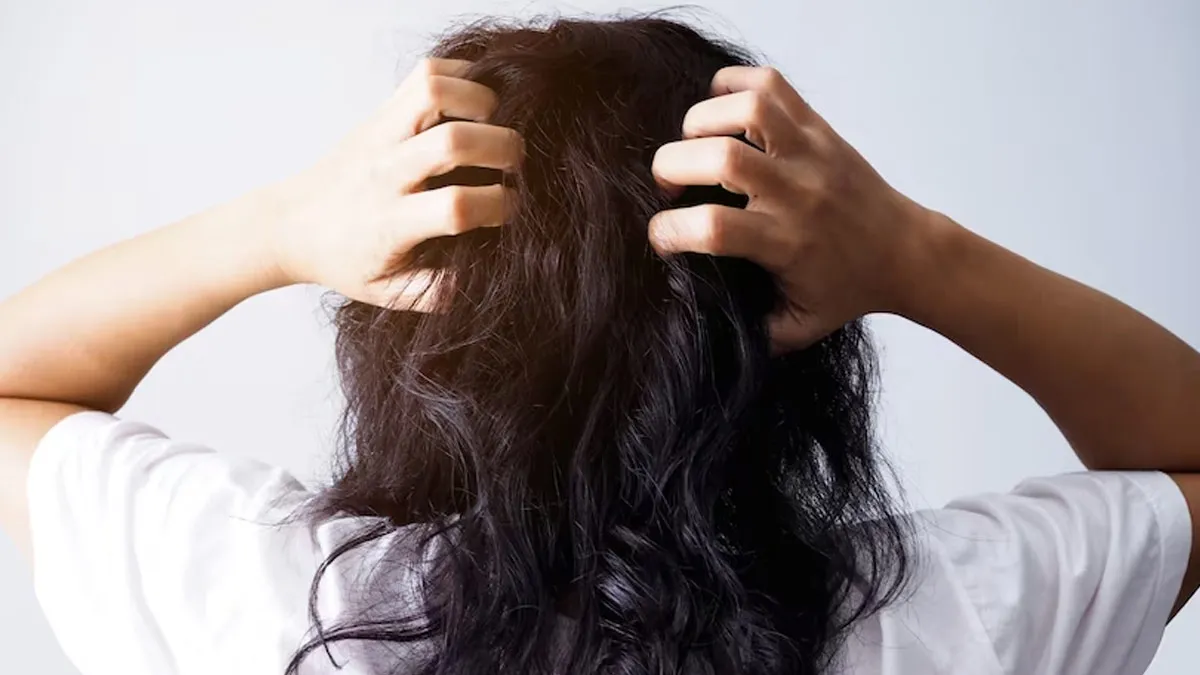
He points out a common misunderstanding here. "In fact, going too long without washing can lead to oil and product buildup, which may irritate the scalp and affect hair health in a different way." As he puts it, "the goal isn't to wash less or more, but to wash in a way that suits your scalp and hair type."
Can Hair Fall During Washing Be Stopped Completely?
"Some hair loss during washing is completely normal," Dr Mahapatra explains. "People naturally shed around 50 to 100 hairs a day as part of the hair growth cycle, and a portion of this becomes visible during washing."
What can actually be reduced, he says, "is the additional breakage or irritation caused by harsh washing habits, by adjusting technique and product choice rather than washing frequency alone."
What Are the Safest Ways to Wash Your Hair Without Causing Damage?
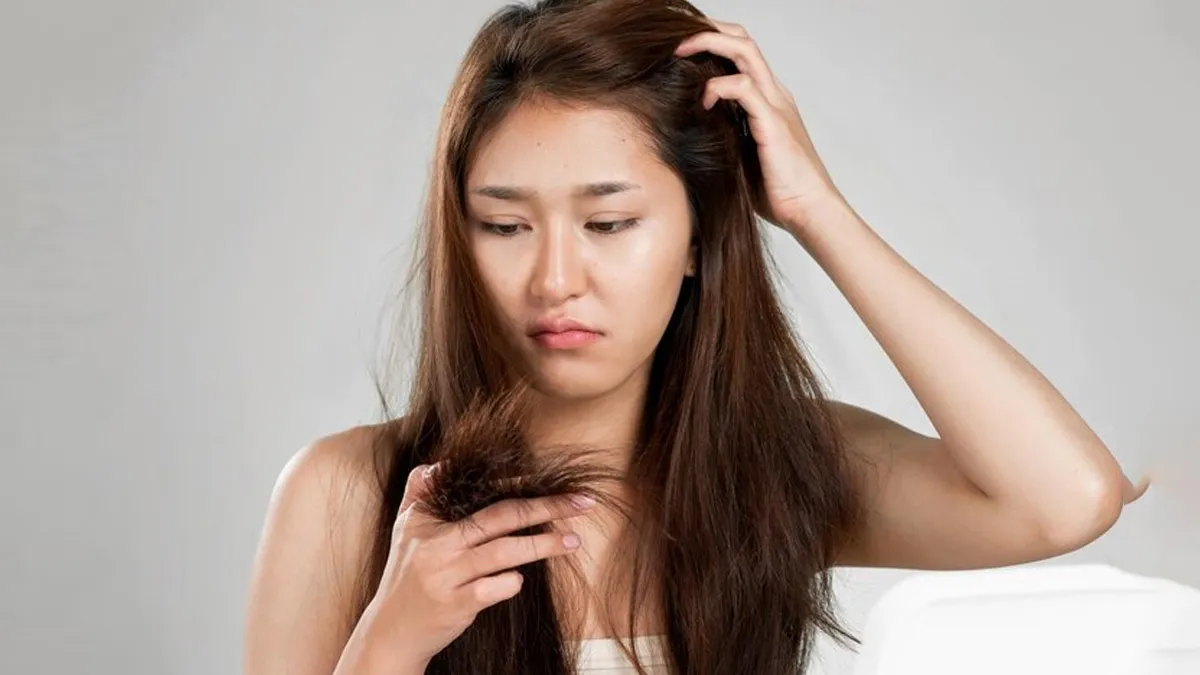
Dr Mahapatra shares his practical checklist for washing hair the right way:
- Use lukewarm water instead of hot water, which is gentler on both scalp and hair.
- Choose a mild, sulphate free shampoo suited to your scalp type.
- Avoid vigorous scrubbing, gently massaging the scalp with fingertips instead.
- Detangle hair before washing to reduce pulling on wet strands, which are more fragile.
- Pat hair dry with a soft towel rather than rubbing vigorously. Limit heat styling and tight hairstyles that add strain to hair.
He adds one final, important point. "If shedding feels unusually heavy or persistent, it's worth checking for underlying causes like nutritional deficiencies, thyroid issues, or stress with a doctor rather than assuming it's just from washing."
Why Technique Matters More Than Frequency
It's easy to blame the number of washes each week. But Dr Mahapatra's explanation shifts the focus somewhere more useful. It's not about how often you wash, it's about how you wash. Hot water, rough towels, and harsh shampoos do far more damage than a daily rinse ever could on its own.
Conclusion
Washing your hair every day isn't the villain most people assume it to be. Real hair fall usually comes down to technique, product choice, and underlying health factors, not the frequency of washing itself. Gentle habits, the right products, and a bit of patience go a long way toward healthier hair, no matter how often you shampoo.
FAQ
1. Does the order of applying shampoo and conditioner affect hair fall?
The order itself doesn't directly cause hair fall, but conditioner should generally be applied after shampoo, focusing on the lengths and ends rather than the scalp. This helps avoid weighing down the roots or leaving residue that could contribute to scalp irritation over time.2. Can switching shampoos too often contribute to hair fall?
Frequently switching shampoos isn't a direct cause of hair fall, but it can make it harder to identify whether a specific product is irritating your scalp or causing dryness. Sticking with a suitable, gentle shampoo for a few weeks makes it easier to notice if a product is genuinely helping or harming your hair.
All possible measures have been taken to ensure accuracy, reliability, timeliness and authenticity of the information; however Onlymyhealth.com does not take any liability for the same. Using any information provided by the website is solely at the viewers’ discretion. In case of any medical exigencies/ persistent health issues, we advise you to seek a qualified medical practitioner before putting to use any advice/tips given by our team or any third party in form of answers/comments on the above mentioned website.

How we keep this article up to date:
We work with experts and keep a close eye on the latest in health and wellness. Whenever there is a new research or helpful information, we update our articles with accurate and useful advice.
-
Current Version
Aug 06, 2026 13:12 IST
Published By : Vivek Kumar
Reviewed By : Dr Sandeep Mahapatra