We often feel exceptionally happy on some days, while severely sad on others. There can be a number of reasons behind such ups and downs in moods: from tragic life events to hormonal changes. At times, these shifts in mood have no apparent reason. This is what makes it even more difficult to decide whether what we feel is normal or a serious mental health condition. How can you understand whether the extreme mood swings you experience are normal or a sign of bipolar disorder? This article will help you get a better understanding of this.
To clear up the confusion and provide an expert insight on this topic, we interacted with Dr Abhinit Kumar, Senior Consultant, Psychiatry, ShardaCare-Healthcity, Greater Noida.
Bipolar Disorder vs Mood Swings: When Should You Seek Medical Help?
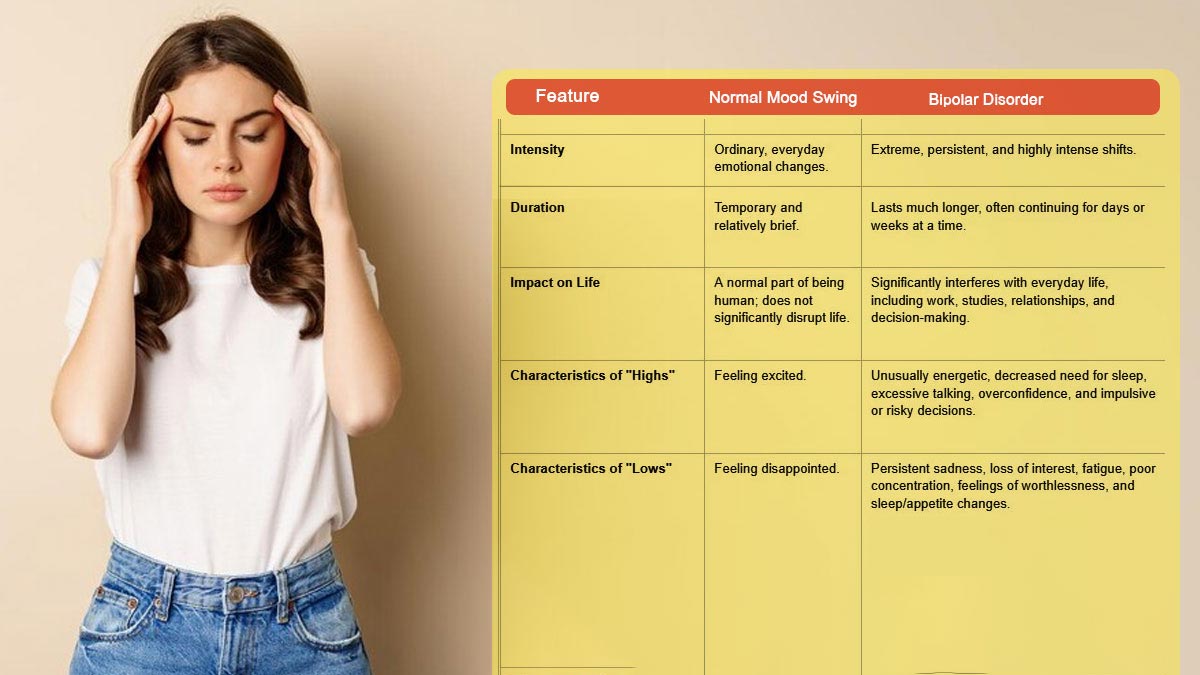
To understand whether your mood swings are normal or needs more attention, you need to understand how it differs from bipolar disorder. Dr Kumar explains, “Everyone experiences ups and downs. Feeling excited after good news or disappointed during difficult times is a normal part of life. Bipolar disorder, however, goes far beyond ordinary mood swings. The changes in mood are more intense, last much longer, and can significantly interfere with everyday life.”
The expert continues, “During periods of elevated mood (in bipolar disorder), a person may become unusually energetic, need very little sleep, talk excessively, feel overly confident, make impulsive decisions, or take unnecessary risks. During depressive episodes, they may experience persistent sadness, loss of interest in activities, fatigue, poor concentration, feelings of worthlessness, or changes in sleep and appetite.”
Dr Kumar adds that unlike everyday emotional changes, bipolar episodes often continue for days or weeks and may affect work, studies, relationships, and decision-making. “Family members are often the first to notice that the person's behaviour is very different from their usual self,” he shares.
Symptoms of Bipolar Disorder
According to the Mayo Clinic, here are the symptoms of bipolar disorder during two of its extreme phases:
Manic and hypomanic episodes:
- Being extremely active, energetic or agitated than usual.
- Feeling a distorted sense of well-being or too self-confident.
- Sleeping less than usual.
- Being extremely talkative and talking fast.
- Having racing thoughts.
- Getting easily distracted.
- Making poor decisions.
Depressive episode:
- Being in a depressed mood. Feeling sad, empty, hopeless or tearful. Children and teens may feel irritable, angry or hostile.
- Loss of interest or feeling no pleasure in all or most activities.
- Losing weight, even when not dieting.
- Sleeping too little or too much.
- Feeling restless or acting slower than usual.
- Being very tired or losing energy.
- Feeling worthless, or feeling too guilty.
- Having difficulty thinking, concentrating, or in making decisions.
- Thinking about, planning or attempting suicide.

Causes of Bipolar Disorder
According to the Cleveland Clinic, these are some of the probable causes of bipolar disorder:
- Genetics: Bipolar disorder can run in biological families.
- Epigenetics: This refers to the fact that your lifestyle can impact your DNA. Your genes can shift in how active they are based on stress, illness or other life events.
- Brain chemistry: You may have differences in neurotransmitters (brain chemicals that help control mood), such as dopamine and serotonin. These chemicals impact your energy, motivation and emotional balance.
- Brain structure and connections: Some brain scans depict small differences in certain brain areas and in the connections that help those areas communicate.
- Other body and brain changes: Researchers are studying other causes as well, such as how your brain changes over time or how your body handles stress.

“Occasional mood changes are a part of being human, but persistent or extreme shifts deserve attention rather than dismissal. Early evaluation helps identify the cause and opens the door to appropriate support. Bipolar disorder is a treatable condition, and timely recognition can help individuals maintain stable relationships, achieve personal goals, and enjoy a healthy, meaningful life,” concludes Dr Kumar.
ALSO READ- What is The Role of Sleep and Diet in Managing Bipolar Disorder? Expert Explains
Conclusion
Everyone goes through emotional highs and lows. But normal mood swings are different from bipolar disorder, which is marked by intense, long-lasting mood shifts that can disrupt daily life. Therefore, it is important to recognise the severe extreme phases (manic and depressive episodes) of bipolar disorder. This distinguishes this medical condition from everyday mood swings. Opting for an early and accurate evaluation can help provide clarity on the underlying causes, and also opens the door to the right treatments.
FAQ
What is the cause of mood swings?
Mood swings are sudden or intense shifts in a person's emotional state often caused by hormonal changes, stress, and lack of sleep.How to stabilise mood swings?
To stabilize mood swings, focus on daily habits such as eating balanced meals, getting regular sleep, and exercising.
All possible measures have been taken to ensure accuracy, reliability, timeliness and authenticity of the information; however Onlymyhealth.com does not take any liability for the same. Using any information provided by the website is solely at the viewers’ discretion. In case of any medical exigencies/ persistent health issues, we advise you to seek a qualified medical practitioner before putting to use any advice/tips given by our team or any third party in form of answers/comments on the above mentioned website.

How we keep this article up to date:
We work with experts and keep a close eye on the latest in health and wellness. Whenever there is a new research or helpful information, we update our articles with accurate and useful advice.
-
Current Version
Jul 29, 2026 18:27 IST
Published By : Shruti Das
Reviewed By : Dr. Abhinit Kumar