Adult Attention-Deficit/Hyperactivity Disorder (ADHD) and Generalised Anxiety Disorder (GAD) are both very common mental health conditions, impacting lives of millions. These two share certain overlapping symptoms such as trouble focusing, inner restlessness, irritability, and poor sleep. Despite these, one must not confuse the two conditions as the same. They have different symptoms, diagnosis, as well as treatment.
To help us differentiate between the two, we interacted with Dr Sharadhi C, Consultant, Psychiatry, Aster CMI Hospital, Bangalore.
Adult ADHD vs Generalised Anxiety: How to Differentiate
Dr Sharadhi says that ADHD and Generalised Anxiety Disorder can appear similar because both can cause poor concentration, restlessness, forgetfulness, and difficulty completing tasks. “However, the underlying reasons for these symptoms are different, making a careful psychiatric assessment essential,” she adds. On this note, the expert shares the difference between the two based on certain key factors:
Symtomps
In adult ADHD, attention problems are usually lifelong and often begin in childhood, even if they were not diagnosed at that time. People may struggle with:
- Organisation
- Time management
- Impulsive decisions
- Frequent distractions
- Losing things
- Difficulty finishing tasks despite wanting to do them.
“Their mind tends to wander because of difficulties maintaining attention rather than excessive worry,” adds Dr Sharadhi.
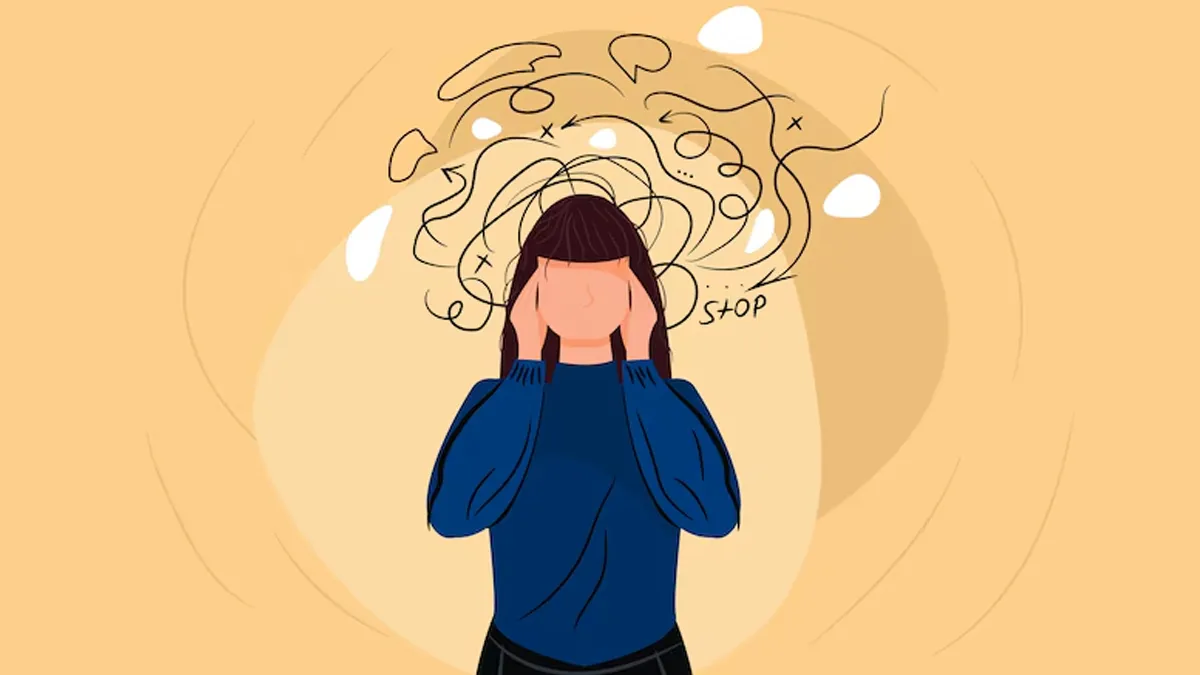
In generalised anxiety disorder, concentration problems occur because the mind is occupied with persistent worries about health, work, finances, family, or everyday situations. People with this condition often feel:
- Tense
- Fearful
- Easily fatigued
- Muscle tightness
- Poor sleep
- Physical symptoms such as palpitations and stomach discomfort
“The primary issue is excessive and difficult-to-control worry rather than inattention itself,” adds the expert.
Diagnosis
Dr Sharadhi says that from a psychiatrist's point of view, diagnosis of these conditions involve understanding childhood history, symptom patterns, daily functioning, family history, and the presence of other mental health conditions.
The expert adds, “Standardised screening tools and detailed clinical interviews help distinguish the two disorders. Accurate diagnosis is important because treatment differs. ADHD often responds to behavioural strategies and specific medications, while anxiety is commonly managed with cognitive behavioural therapy, stress-management techniques; and, when appropriate, anti-anxiety or antidepressant medications. Early recognition improves functioning and overall quality of life.”
Feature |
Adult ADHD |
Generalised Anxiety Disorder (GAD) |
Origin / Timeline |
Usually a lifelong struggle, with symptoms often tracing back to childhood. |
Stems from excessive worry about everyday situations (work, health, finances). |
Key Symptoms |
Poor organisation, time blindness, impulsivity, frequent distractions, and losing things. |
Muscle tightness, fatigue, fear, poor sleep, and physical symptoms like palpitations. |
Treatment Approach |
Behavioural strategies and specific ADHD medications. |
Cognitive Behavioural Therapy (CBT), stress management, and anti-anxiety/antidepressants. |
Can You Have Both ADHD and Anxiety Together?
Dr Sharadhi confirms that some individuals may have both ADHD and anxiety, which requires a comprehensive treatment plan.
A 2022 study, published in the Journal of Affective Disorders, examined whether people can have both Attention Deficit Hyperactivity Disorder (ADHD) and Generalized Anxiety Disorder (GAD) at the same time. The researchers analysed health data from almost 7,000 adults to understand exactly how often these two mental health conditions overlap.
The study discovered that an adult with ADHD is in fact four times more likely to suffer from severe anxiety, as compared to someone without ADHD. The findings noted that the link between the two conditions is especially prominent in women, who were found to be four times more likely to experience generalised anxiety along with ADHD.

It noted that some of the primary factors that increase the risk of having both these conditions together are: a history of depression, earning a lower annual income, and lacking close personal relationships.
The findings noted that those with ADHD struggle with chronic forgetfulness and time blindness, which creates intense stress that can quickly spiral into persistent anxiety. Moreover, dealing with a constantly distracted or racing brain can also leave individuals overwhelmed and constantly worried. The researchers focused on the fact that doctors must actively screen for anxiety in ADHD patients to deliver proper, targeted treatments for both issues.
ALSO READ- Is It Just Stress Or Anxiety? Mental Health Expert Helps You Identify
Conclusion
Adult ADHD and Generalised Anxiety Disorder share overlapping symptoms such as restlessness and poor concentration. But they originate from fundamentally different root causes. ADHD is mainly characterised by lifelong struggles with maintaining attention and organisation. Anxiety is driven by excessive, difficult-to-control worry. However, these two conditions often coexist, with ADHD patients being four times more likely to experience severe anxiety. Therefore, distinguishing between them requires a careful psychiatric assessment.

Accurate diagnosis is even more important because each condition needs a distinct treatment approach, be it specific medications for ADHD or CBT for anxiety. To conclude, seeking a professional evaluation is the best way to differentiate between the conditions and secure targeted treatments.
FAQ
Can a person with ADHD lead a normal life?
Yes, a person with ADHD can lead a fulfilling, successful, and normal life, especially with proper understanding, treatment, and coping strategies.How do you treat ADHD and anxiety?
Treating co-occurring ADHD and anxiety involves a combination of targeted medications, such as stimulants paired with SSRIs or non-stimulants, alongside cognitive behavioral therapy.
All possible measures have been taken to ensure accuracy, reliability, timeliness and authenticity of the information; however Onlymyhealth.com does not take any liability for the same. Using any information provided by the website is solely at the viewers’ discretion. In case of any medical exigencies/ persistent health issues, we advise you to seek a qualified medical practitioner before putting to use any advice/tips given by our team or any third party in form of answers/comments on the above mentioned website.

How we keep this article up to date:
We work with experts and keep a close eye on the latest in health and wellness. Whenever there is a new research or helpful information, we update our articles with accurate and useful advice.
-
Current Version
Jul 31, 2026 15:59 IST
Published By : Shruti Das
Reviewed By : Dr Sharadhi C