
For many people, monsoon means relief from the heat. For asthma patients, it can mean the opposite. Humid air itself can irritate the airways, but the bigger issue is what humidity brings with it: mould, dust mites, and pollution particles all thrive in damp conditions, and these are some of the most common asthma triggers there are.
For many patients, monsoon isn't just uncomfortable weather, it's a genuine flare-up season. Here's what to understand about it, and how to get through the season with fewer symptoms.
Why Does Monsoon Humidity Trigger Asthma Symptoms?
According to Dr Shrey Kumar Srivastava, Senior Consultant-Internal Medicine, Sharda Hospital, Greater Noida, several factors combine during monsoon to create ideal conditions for a flare-up:
- Humid air is denser and harder to breathe, which can make already-sensitive airways feel tighter or more reactive
- Damp conditions are ideal breeding grounds for mould and mildew, both indoors and outdoors, and mould spores are a well-known asthma trigger
- Dust mites thrive in humidity above 50%, and monsoon conditions often push indoor humidity well past that
- Rain and waterlogging increase pollen and fungal spore counts once the rain clears and things start drying out again
- Sudden temperature drops during monsoon showers can trigger bronchospasm in sensitive airways
- Increased indoor time during heavy rain means more exposure to indoor allergens like dust, pet dander, and mould
- Viral respiratory infections, which are more common during monsoon, can also worsen or trigger asthma symptoms
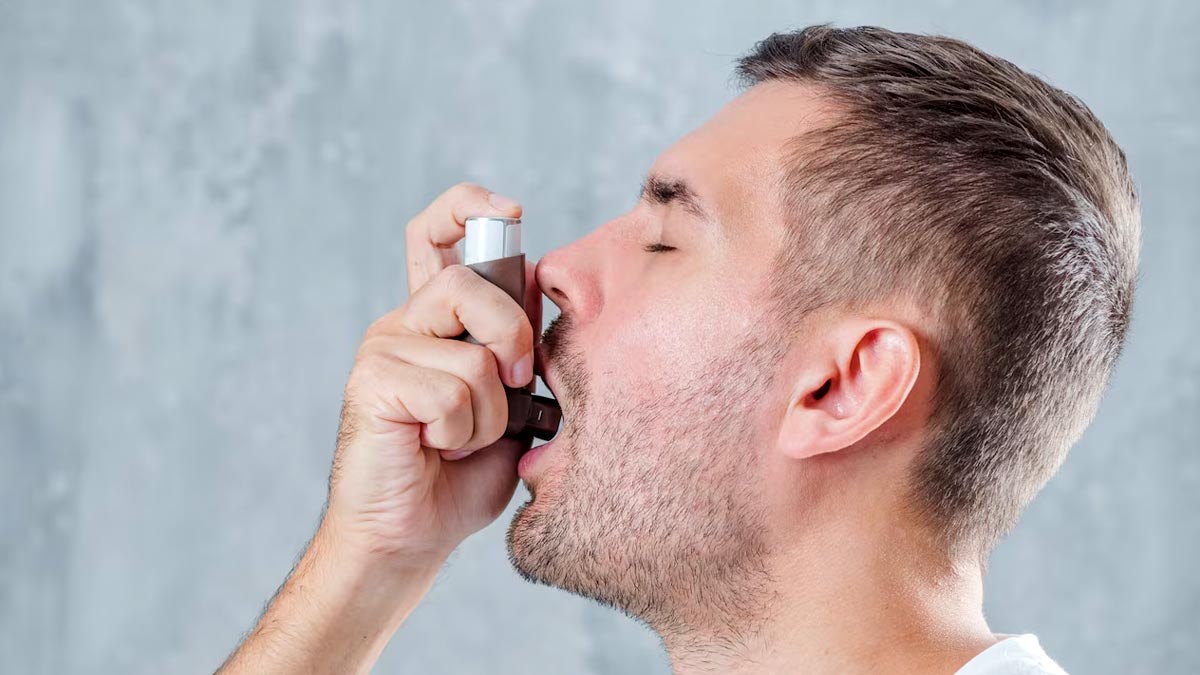
This isn't just clinical observation. A 2024 review published in Frontiers in Allergy, covering 21 studies and over 1 million participants across 9 countries, found a statistically significant association between higher humidity and asthma risk. The effect was notably stronger in children under 18 and in people living in developing regions.
ALSO READ- Early Asthma Symptoms That Are Often Mistaken for Other Health Problems
Why Is Asthma Specifically Worse in Humid Weather?
“Humid air holds more moisture, which changes how the airways respond,” according to Dr Srivastava. For some people, this directly irritates the bronchial lining and triggers inflammation. For others, it's less about the humidity itself and more about what humidity enables: mould growth, dust mite proliferation, and higher fungal spore counts in the air.
“Combine that with monsoon's frequent temperature swings and increased dampness indoors, and you get a perfect storm for airway irritation, especially in people whose asthma is already allergy-driven,” Dr Srivastava explains.

According to a 2023 review published in the International Journal of Molecular Sciences, humid air changes the thickness and texture of mucus lining the airways. This alters something called mucociliary clearance, the natural process that sweeps out dust, allergens, and germs. When mucus becomes too thick, it can trap bacteria more easily, letting infections take hold.
Damaged cells release specific chemical signals that switch on airway swelling. High humidity, above 60%, also increases mould levels indoors, adding another layer of irritation on top of the direct airway changes.
How Can You Prevent Monsoon Asthma Flare-Ups?
Dr Srivastava recommends a season-long approach rather than reacting only once symptoms appear:
- Use a dehumidifier indoors to keep humidity levels between 30-50%, which limits dust mite and mould growth
- Keep windows closed during heavy rain and high-pollen periods, using an air purifier instead for ventilation
- Wash bedding, curtains, and soft furnishings regularly in hot water to reduce dust mite exposure
- Fix any damp patches, leaks, or mould growth in the home promptly, rather than waiting for the monsoon to pass
- Avoid drying clothes indoors during monsoon, since this raises indoor humidity significantly
- Continue taking prescribed maintenance inhalers consistently through the season, rather than only when symptoms flare
- Keep a rescue inhaler easily accessible at all times during monsoon months
What Should You Do If Asthma Symptoms Start Getting Worse?
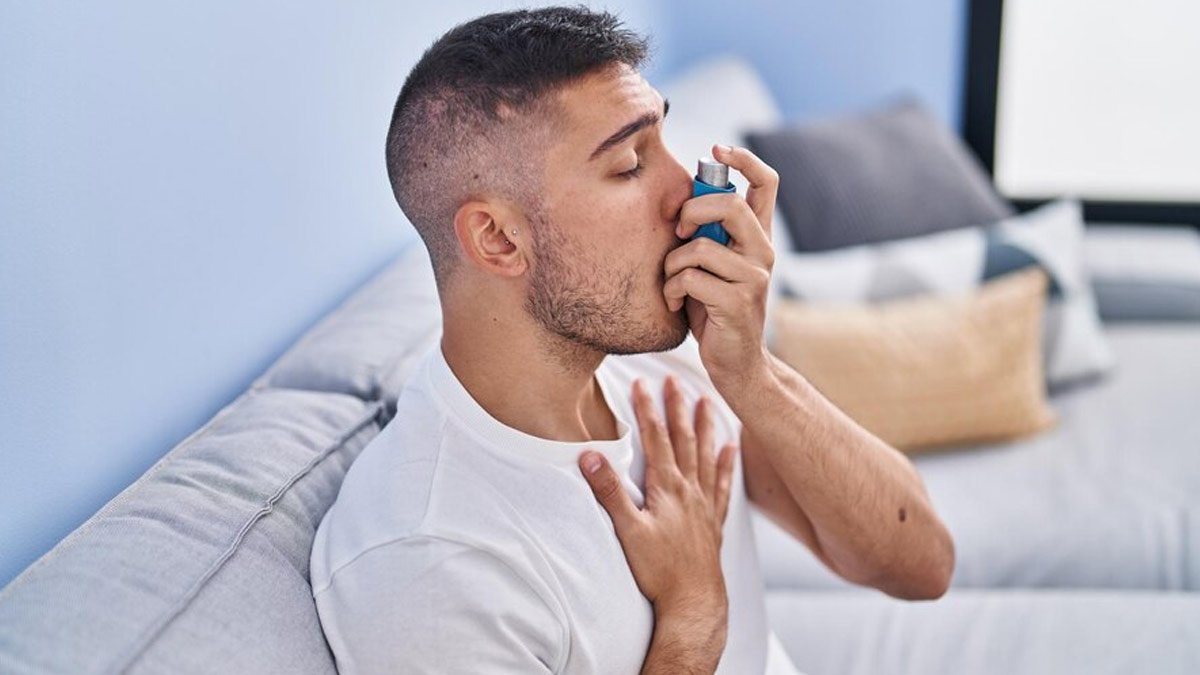
Don't wait out worsening symptoms, Dr Srivastava advises. If a rescue inhaler is needed more than twice a week, it's time to review the treatment plan with a doctor. Her emergency action guidance includes:
- Track symptoms and possible triggers, timing, humidity, specific locations, to identify patterns worth flagging to your doctor
- Step up treatment temporarily under medical guidance if symptoms flare, rather than adjusting doses independently
- Seek urgent medical care if there's severe breathlessness, difficulty speaking in full sentences, blue-tinged lips, or the rescue inhaler isn't providing relief
- Review the asthma action plan with your doctor at the start of monsoon season each year, since triggers and needs can shift over time
- Consider allergy testing if monsoon consistently triggers symptoms, to identify and specifically target the culprit, whether it's mould, dust mites, or something else
ALSO READ- What Foods Trigger Asthma? Expert Explains What To Eat and Avoid
Conclusion
Monsoon humidity is a genuine, well-documented asthma trigger, not just uncomfortable weather. It works both directly, by irritating sensitive airways, and indirectly, by fuelling mould growth, dust mite proliferation, and viral infections. A proactive, season-long approach, combining indoor humidity control, consistent inhaler use, and a clear escalation plan, offers far better protection than waiting for symptoms to appear before acting.
FAQ
1. Does monsoon asthma affect children differently than adults?
Yes, research suggests children are more sensitive to humidity-related asthma risk than adults. Parents of children with asthma may want to be especially attentive to indoor humidity control and symptom tracking during monsoon.2. Can monsoon asthma symptoms appear even in someone without a prior asthma diagnosis?
It's possible, particularly in people with underlying allergies or a family history of asthma, since monsoon conditions can trigger airway sensitivity that wasn't previously symptomatic.
All possible measures have been taken to ensure accuracy, reliability, timeliness and authenticity of the information; however Onlymyhealth.com does not take any liability for the same. Using any information provided by the website is solely at the viewers’ discretion. In case of any medical exigencies/ persistent health issues, we advise you to seek a qualified medical practitioner before putting to use any advice/tips given by our team or any third party in form of answers/comments on the above mentioned website.
How we keep this article up to date:
We work with experts and keep a close eye on the latest in health and wellness. Whenever there is a new research or helpful information, we update our articles with accurate and useful advice.
-
Current Version
Aug 19, 2026 18:04 IST
Published By : Vivek Kumar
Reviewed By : Dr Shrey Kumar Srivastav