
While many people associate Psoriasis with winter dryness, summer can be equally challenging, and sometimes even worse. The heat, sweat, and sunburn can cause unexpected flare-ups, especially in hot and humid places like India. Skin specialists and dermatologists suggest that understanding why psoriasis worsens in summer, how to spot early symptoms, and what actually works to control it can help you stay symptom-free even during peak heat.
What Is Psoriasis and Why Does It Flare
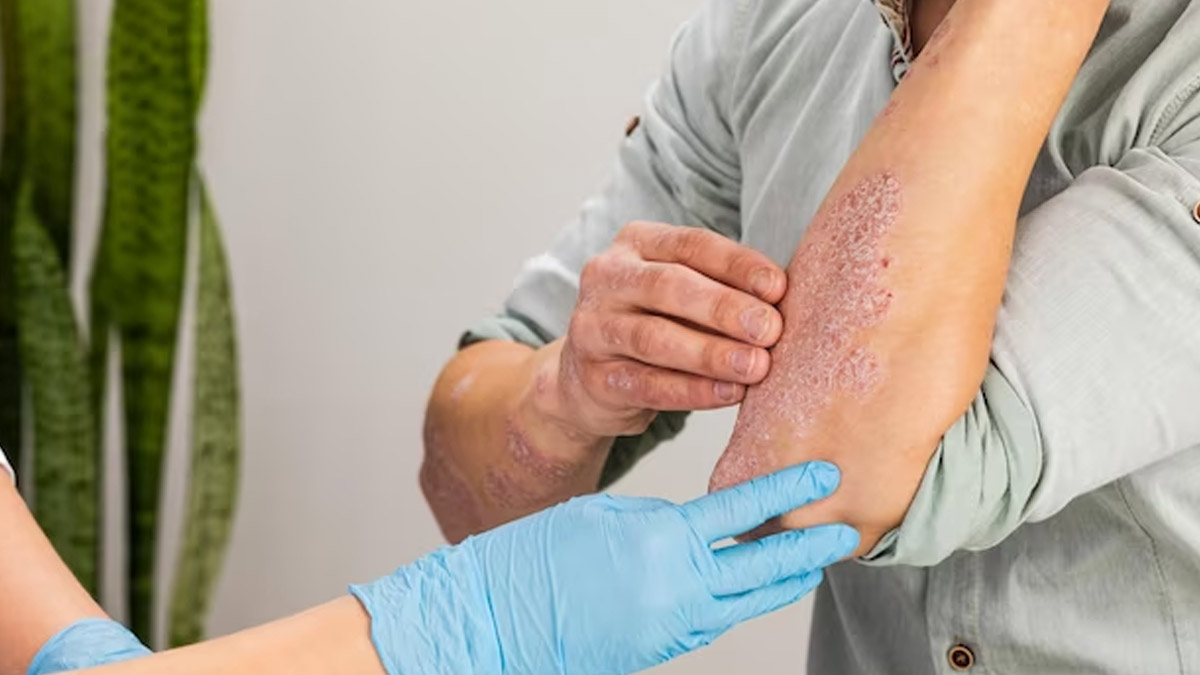
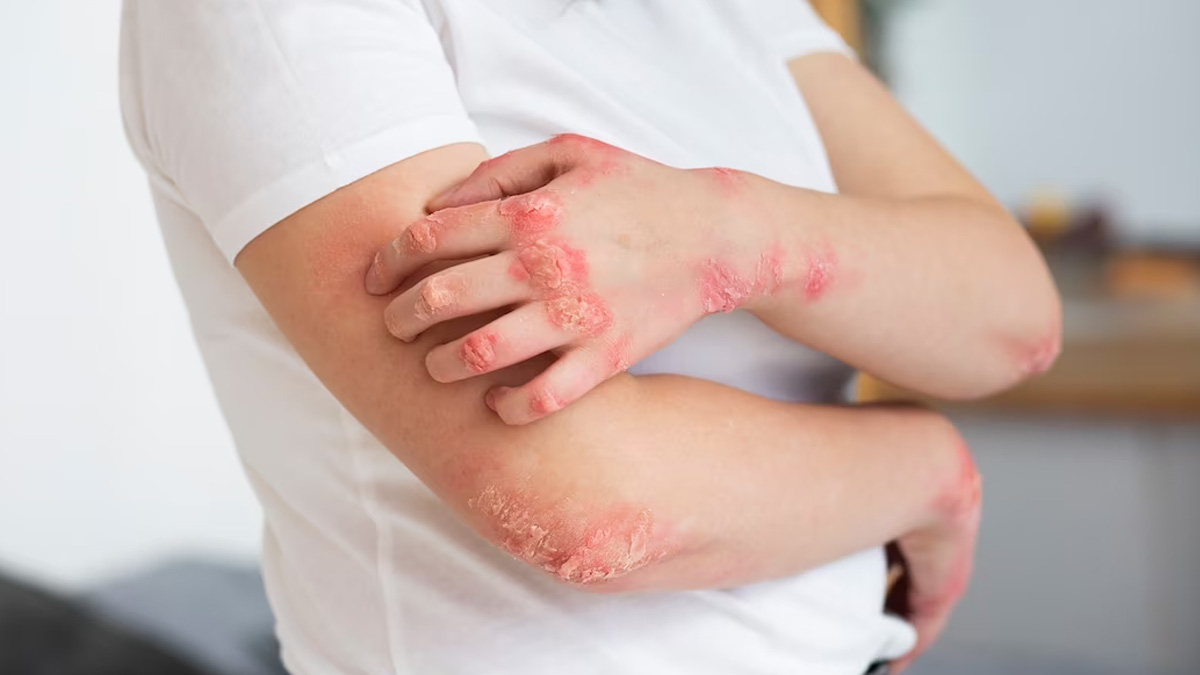
Psoriasis is a long-term condition where the immune system goes into overdrive, making the skin cells turn over too quickly. This leads to thick, red, and scaly patches on the skin. In an exclusive interaction with us, Dr Passi explained that it's not just a skin problem, it's a condition that affects the whole body and can cause inflammation in other areas too.
According to the American Academy of Dermatology (AAD) and the National Psoriasis Foundation (NPF) joint guidelines, psoriasis may also be linked with metabolic disorders, cardiovascular risks, and joint disease.
Can Summer Heat Trigger Psoriasis?
“Yes, and in multiple ways,” highlights Dr Passi. While controlled Ultraviolet (UV) exposure can slow skin cell growth, excessive heat and environmental stressors often outweigh the benefits.
Key Summer Triggers of Psoriasis
1. Heat and Excess Sweating
Sweat accumulation, especially in skin folds, can irritate plaques and increase itching. Friction from damp skin further worsens inflammation.
A 2023 clinical review in dermatology research found that heat, friction, and sweat significantly worsen psoriasis severity, particularly in humid environments.
2. Sunburn and Skin Injury
Mild sunlight can help, but overexposure causes burns, triggering the Koebner phenomenon, where new lesions develop at sites of skin damage.
3. Dehydration and Skin Barrier Damage
Hot weather increases water loss from the skin, weakening its barrier and making it more prone to cracking and inflammation.
4. Chlorine, Saltwater, and Pollution
Chlorinated pools may dry and irritate skin, while saltwater can sting active lesions, and dust or pollution (common in Indian summers) worsen their sensitivity.
5. Lifestyle Disruptions
According to a 2022 journal published in the Wiley Open Access Collection, travel, irregular sleep, alcohol consumption, and dietary changes can all influence immune activity and trigger flare-ups.
ALSO READ- Are Psoriasis and Eczema Similar? Key Differences, Overlaps, And How To Tell Them Apart
 1-skin
Common Symptoms of Summer Psoriasis Flare-Ups
According to our expert, Dr Passi, some symptoms may intensify or shift during summer. These may include:
- Red, inflamed patches with silvery scales
- Increased itching, burning, or stinging
- Worsening lesions in sweat-prone areas (neck, underarms, groin)
- Cracked skin that may bleed
- Small drop-like spots (guttate psoriasis)
- Nail pitting or discolouration
“If you're experiencing joint pain or stiffness, it could be a sign of Psoriatic arthritis, and should see a doctor at the earliest,” she notes.
What Psoriasis Patients Often Notice in Summer
Many lived experiences highlight that daily habits play a major role in flare control. Dermatologists report that many patients experience:
- Sudden itching after sweating outdoors
- Flare-ups after beach vacations or pool use
- Skin irritation from certain sunscreens
- Increased discomfort in tight or synthetic clothing
Best Ways to Manage Psoriasis in Summer
Here are some expert-approved ways to manage psoriasis in summer:
1. Use Sunlight (But Strategically)
Short sun exposure of about 10-20 minutes per day can help reduce inflammation. Here’s what you should keep in mind:
- Prefer early morning or late evening sun
- Avoid peak UV hours (10 AM-4 PM)
A 2025 review found controlled UV exposure improved symptoms in nearly 62-70% of patients with plaque psoriasis.
2. Stay Hydrated to Protect Skin Barrier
High temperatures increase transepidermal water loss. Therefore, Dr Passi recommends:
- Try to drink around 2.5 to 3 litres of water every day, and even more if it's really hot outside.
- Include hydrating foods like watermelon, cucumber, and coconut water
3. Moisturise Even in Humid Weather
Humidity does not replace hydration. Experts suggest using fragrance-free, ceramide-based moisturisers. According to Dr Passi, the best time to apply is immediately after bathing
4. Choose Breathable Clothing
Wear loose, cotton fabrics. Avoid tight, synthetic materials that trap sweat, and change out of sweaty clothes quickly to avoid irritation and flare-ups.
ALSO READ- Are Psoriasis and Eczema Similar? Key Differences, Overlaps, And How To Tell Them Apart
 2-skin
5. Use Psoriasis-Friendly Sunscreen
Not all sunscreens suit psoriasis-sensitive skin. Choose mineral-based sunscreens (zinc oxide/titanium dioxide) and always avoid heavily fragranced or alcohol-based formulas.
6. Manage Stress and Sleep
Stress is a proven trigger of psoriasis flare-ups. Here’s what you can do to manage stress:
- Practice yoga, meditation, or breathing exercises
- Maintain a consistent sleep schedule
7. Stick to Your Treatment Plan
“Do not stop prescribed treatment in summer,” she notes. This may include:
- Topical corticosteroids
- Vitamin D analogues
- Phototherapy
- Systemic or biologic medications
The National Psoriasis Foundation emphasises that treatment consistency is key to preventing flare cycles.
Common Mistakes That Worsen Psoriasis in Summer
Avoid these frequently overlooked triggers:
- Overexposing skin to sunlight (causes burns)
- Skipping moisturiser due to humidity
- Wearing tight or sweaty clothing for long hours
- Using harsh soaps, scrubs, or loofahs
- Self-medicating without a diagnosis
- Stopping treatment because symptoms seem better
When to See a Doctor
Early intervention can prevent complications and long-term damage. Seek immediate medical attention if you notice:
- Sudden worsening or widespread flare
- Signs of infection (pus, fever, increased pain)
- Severe redness covering large areas (possible erythrodermic psoriasis)
- Persistent joint pain or swelling (possible psoriatic arthritis)
- Treatments no longer working
 3-skin
Quick Guide: Summer Triggers vs Prevention
Trigger |
What to Do |
Excess sweating |
Wear loose clothes, shower after sweating |
Sunburn |
Limit sun exposure, use sunscreen |
Dehydration |
Drink 2.5-3L water daily |
Chlorine exposure |
Rinse and moisturise immediately |
Heat and friction |
Keep skin cool and dry |
Bottomline
Summer can be a double-edged sword for psoriasis. While controlled sunlight may improve symptoms, heat, sweat, and dehydration can trigger flare-ups if not managed properly. A balanced approach, including sun safety, hydration, skincare, and medical treatment, is essential to keeping symptoms under control.
FAQ
1. Does sweat make psoriasis worse?
Yes, sweat can irritate the skin and increase itching, especially in areas where it gets trapped.2. Is summer good or bad for psoriasis?
It depends on the situation. A little bit of sunlight can actually be helpful, but too much of it can make things worse, especially if you get sunburned.3. What is the best summer routine for psoriasis?
Hydration, gentle skincare, sun protection, breathable clothing, and consistent treatment.4. Can sunscreen trigger psoriasis flare-ups?
Some chemical sunscreens with fragrances or alcohol may irritate sensitive skin and trigger flare-ups. Experts recommend using a mineral-based sunscreen.5. Which type of psoriasis worsens the most in summer?
Inverse psoriasis, which occurs in skin folds like the underarms, groin, and under the breasts, often worsens in summer due to heat, sweat, and friction. P
All possible measures have been taken to ensure accuracy, reliability, timeliness and authenticity of the information; however Onlymyhealth.com does not take any liability for the same. Using any information provided by the website is solely at the viewers’ discretion. In case of any medical exigencies/ persistent health issues, we advise you to seek a qualified medical practitioner before putting to use any advice/tips given by our team or any third party in form of answers/comments on the above mentioned website.
How we keep this article up to date:
We work with experts and keep a close eye on the latest in health and wellness. Whenever there is a new research or helpful information, we update our articles with accurate and useful advice.
-
Current Version
Apr 11, 2026 16:50 IST
Modified By : Tanya Srivastava Apr 11, 2026 16:50 IST
Modified By : Tanya SrivastavaApr 11, 2026 16:50 IST
Published By : Tanya Srivastava
Reviewed By : Dr Ruben Bhasin Passi