
The answer is always “fever” when you ask people what dengue is like. It's the symptom which is the main focus of every public health poster, the symptom that makes every person run to get tested. However, what if the fever doesn't even occur? Dr Tushar Tayal states that this lack of awareness is an actual issue and unfortunately contributes to lack of diagnoses and delayed diagnoses every monsoon season.
Many people are unaware that atypical dengue symptoms occur much more frequently than the typical ones, such as those involving no or little fevers at all. Here's what's actually going on.
What Is Dengue Without Fever? Can It Really Happen?
Dr Tushar Tayal, Associate Director, Internal Medicine, CK Birla Hospital, Gurugram, is direct about this blind spot. "This is a serious lack of public understanding and probably is a factor in underdiagnosing or delaying diagnosis each monsoon season.”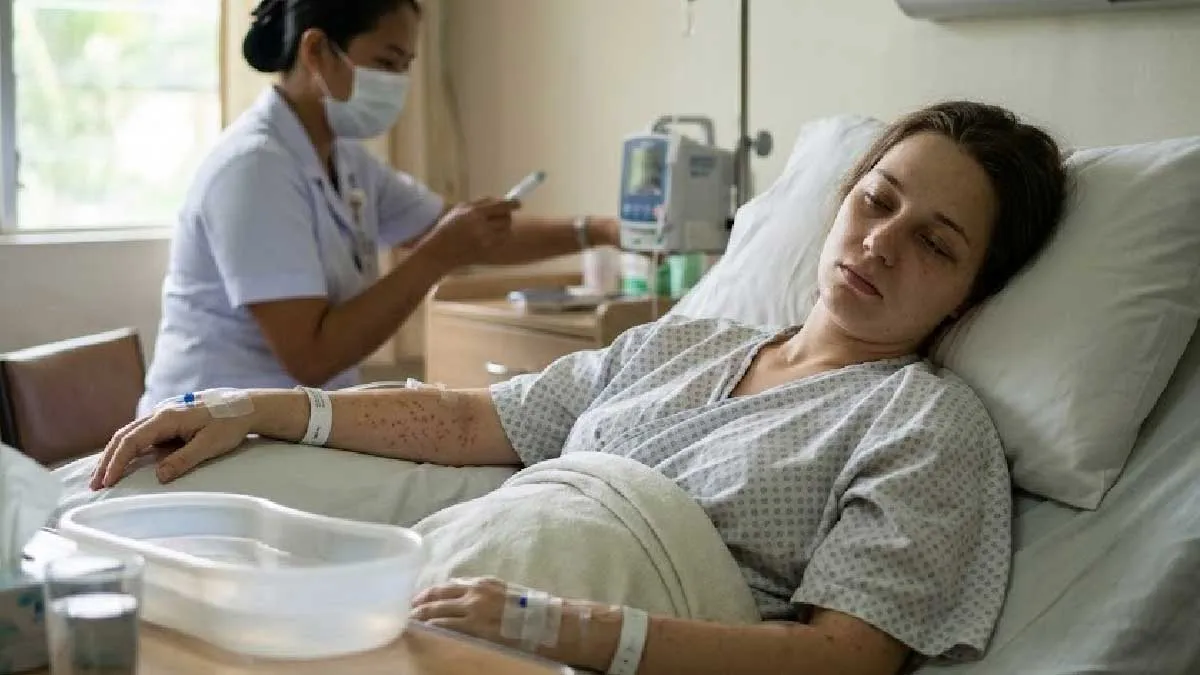 01 (2)
He explains that "fever is the hallmark symptom used in most public health messaging and screening criteria, but it isn't universal." Some people, he notes, "particularly those with a milder presentation, a prior dengue infection, or certain immune backgrounds, can have a genuine dengue infection with little to no measurable fever, or a fever so mild and brief that it's easily missed or dismissed."
ALSO READ- H1N1 vs COVID-19 vs Dengue: Fever, Body Ache or Something More? How to Tell the Difference
Why Dengue Can Present Without a Fever
According to Dr Tayal, several factors explain why fever doesn't always show up:
- A prior dengue infection with a different serotype can alter the immune system's response on a second exposure, sometimes leading to an atypical presentation, including reduced or absent fever.
- Age plays a role. It is important to note that there are times when very young children and older adults have a blunted immune response with a shorter or less pronounced febrile period than what is described in the textbook dengue fever curve.
- There are some infections that are truly without symptoms or subclinical that have the virus present and detectable in the body but so minimal that no fever is experienced.
- Early testing may sometimes detect an individual with a fever before it will have occurred, especially when testing occurred earlier than usual because of other symptoms.
- Some people have a more intense fever and a longer fever than others, so individual immune variation is what makes fever intensity and length vary from person to person. Not everyone has the "textbook" fever.
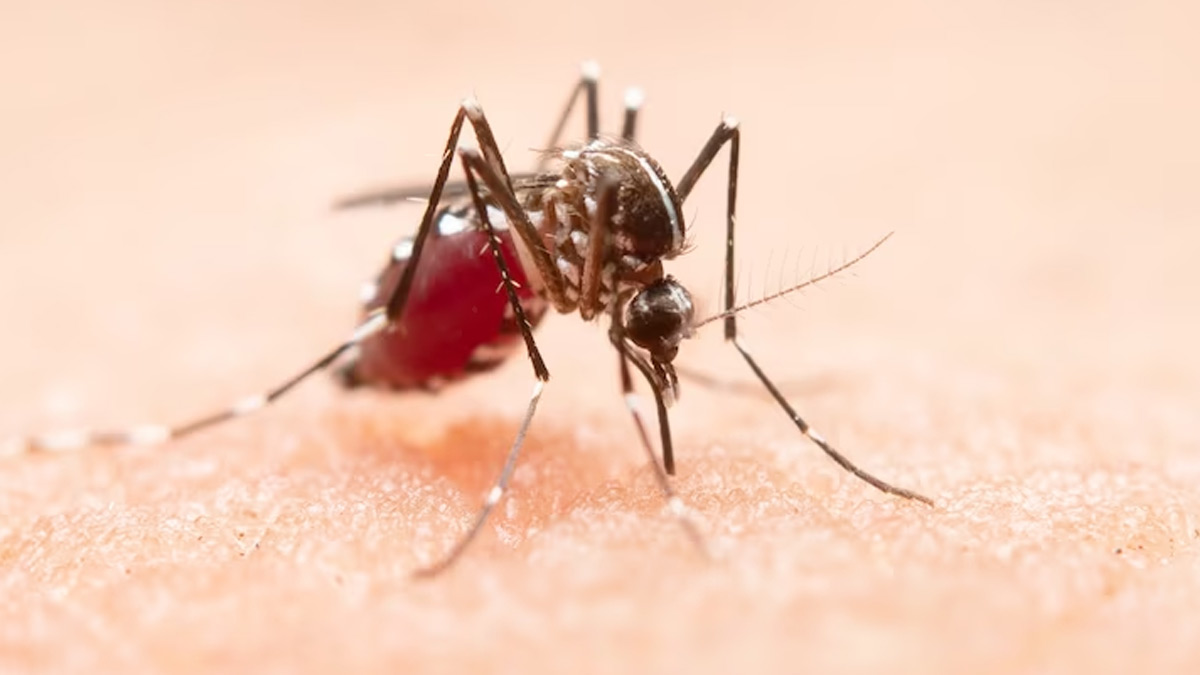
This lines up with a growing body of clinical literature. A 2025 review in PMC, highlights that dengue's clinical picture described by most of the guidelines is limited to the three classic stages of fever. Bleeding, leakage, and that atypical presentations, although under-recognised, have been increasingly described in recent outbreaks around the world.
Key Atypical Symptoms to Watch For
Fever-free dengue doesn't mean symptom-free dengue. Dr Tayal lists what might show up instead:
- Persistent fatigue or unusual tiredness with no obvious explanation.
- Headache, particularly behind the eyes, which can occur independently of fever severity.
- Muscle and joint pain, sometimes significant enough to affect daily activity.
- A mild rash, which can appear with or without accompanying fever.
- Nausea or reduced appetite.
- Mild bleeding signs, such as easy bruising or bleeding gums, which should never be dismissed regardless of fever status.

Case reports back this up in striking detail. A 2025 case report published in Cureus, from an endemic border region, described a confirmed dengue patient with severe leukopenia who presented with atypical features and no fever throughout the course of illness, underlining that dengue "can present with atypical features, including hematological abnormalities and bleeding, even in the absence of plasma leakage."
Is Fever-Free Dengue More Dangerous to Catch Early?
In a sense, yes, says Dr Tayal, not because the illness itself is worse, but because "the absence of fever can delay diagnosis and monitoring." Fever is usually what prompts someone to get tested in the first place. Without it, warning signs like abdominal pain, persistent vomiting, or bleeding might not get linked back to dengue quickly enough, delaying monitoring during the illness's critical phase.
How Is Dengue Diagnosed When Fever Isn't a Clear Signal?
Dr Tayal outlines how doctors work around this:
- NS1 antigen testing can detect active infection in earlier stages, independent of current fever status.
- IgM and IgG antibody testing can identify recent or past infection, useful when someone presents after a fever has already come and gone, or was minimal to begin with.
- Doctors typically rely on the overall symptom picture, recent travel or local outbreak exposure, and platelet count trends, rather than fever alone.
- Repeat testing over a few days is sometimes necessary, since a single negative test early in the illness doesn't fully rule dengue out.
What Should You Do If You Suspect Dengue Without a Fever?
Dr Tayal's advice:
- Don't dismiss dengue purely because fever is absent or mild, especially during a known local outbreak or after possible mosquito exposure.
- Get tested if other symptoms, like persistent fatigue, joint pain, headache, or rash, are present, particularly during high-transmission season.
- Monitor platelet counts and hydration status even without fever, since these matter regardless of fever presence.
- Seek prompt medical attention if warning signs develop, including abdominal pain, persistent vomiting, bleeding, or lethargy, regardless of whether fever was ever significant.
ALSO READ- How Often Can You Get Dengue? Expert Answers
Conclusion
Silent dengue is a real and documented phenomenon, and not an exception. If symptomatic, relying on fever to determine whether or not to get tested can result in a person missing a true infection while it is in progress. Even if you don't have a fever, if you are feeling tired or experiencing joint pain or a rash, you should get checked if you think you have been exposed to mosquitoes, because you might have dengue.
FAQ
1. Is it still possible to detect dengue without fever with a regular blood test?
Yes. Tests such as NS1 antigen and IgM/IgG antibody test remain useful diagnostic tools as they detect the virus or the immune response but not a fever, hence they are effective even if there was never a fever or the fever has resolved.2. If a person has had dengue in the past, is there an increased risk of silent dengue?
It can be. Memory of an earlier infection with another serotype of dengue can influence immune responses, sometimes causing less severe or atypical symptoms the second time, such as less fever, but not always.
All possible measures have been taken to ensure accuracy, reliability, timeliness and authenticity of the information; however Onlymyhealth.com does not take any liability for the same. Using any information provided by the website is solely at the viewers’ discretion. In case of any medical exigencies/ persistent health issues, we advise you to seek a qualified medical practitioner before putting to use any advice/tips given by our team or any third party in form of answers/comments on the above mentioned website.
How we keep this article up to date:
We work with experts and keep a close eye on the latest in health and wellness. Whenever there is a new research or helpful information, we update our articles with accurate and useful advice.
-
Current Version
Sep 07, 2026 14:45 IST
Modified By : Vivek Kumar Sep 07, 2026 14:45 IST
Published By : Vivek Kumar
Reviewed By : Dr Tushar Tayal