
Feeling your heart race after a long, sweaty day or hours without a proper drink? You're not imagining it. Dehydration and heart rate are closely linked, and it's worth understanding, especially in warmer months or after intense exercise. The short answer: yes, not drinking enough water can genuinely make your heart beat faster. An expert explains why this happens, what it feels like, and when it's time to see a doctor. Here's everything you need to know.
Can Dehydration Increase Your Heart Rate?
According to Dr Chirag D, Consultant, Interventional Cardiology at Aster Whitefield Hospital, Bangalore , the link between fluid loss and a faster pulse is well established. He explains, "Yes, dehydration commonly causes an increased heart rate. When the body loses fluid, blood volume drops, and the heart has to work harder and beat faster to maintain adequate blood flow and oxygen delivery throughout the body."
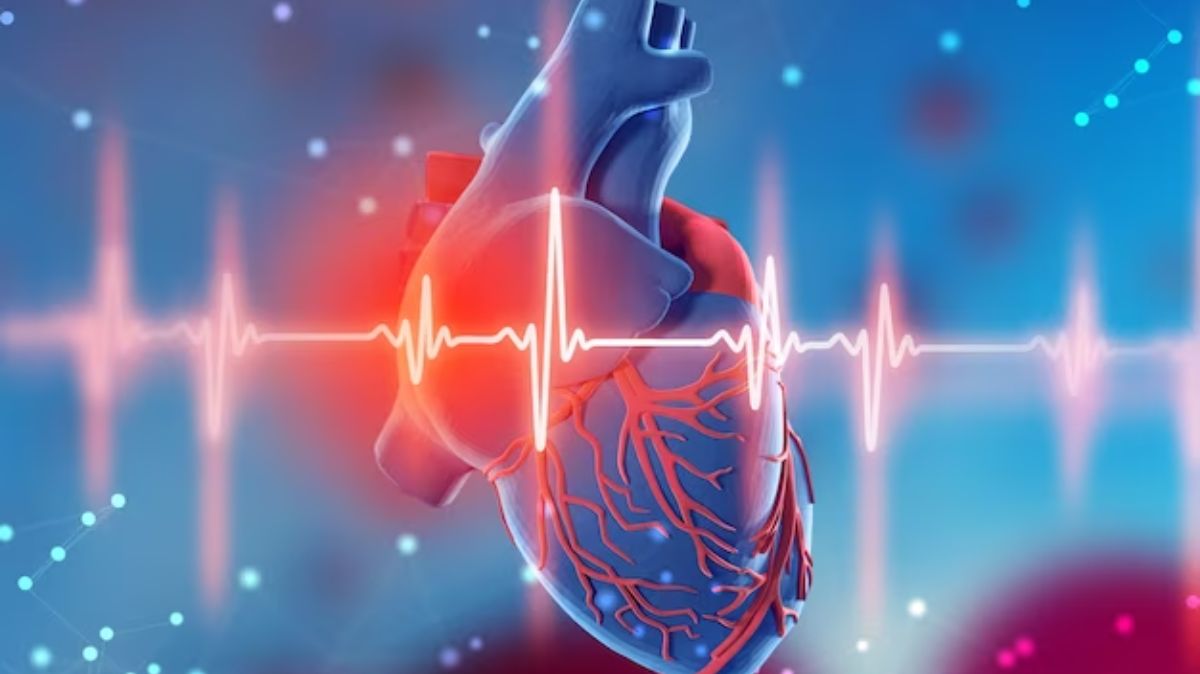
In simple terms, water is a key part of your blood. Lose too much of it, and there's less blood for your heart to pump around. To keep everything running smoothly, your heart picks up the pace.
Why Does Dehydration Speed Up Your Heart Rate?
There isn't just one reason your heart rate climbs when you're dehydrated. Dr Chirag points to several factors working together:
- Reduced fluid volume means less blood circulating through the body, so the heart compensates by beating faster to maintain blood pressure and oxygen supply.
- Blood becomes slightly thicker when you're dehydrated, making it harder for the heart to pump efficiently.
- The body releases stress hormones in response to dehydration, which can further raise heart rate.
- Dehydration can lead to an electrolyte imbalance, particularly involving sodium and potassium, both of which play a direct role in regulating heart rhythm.
- Over time, chronic mild dehydration can place ongoing extra strain on the cardiovascular system, especially in people with existing heart conditions.
This is why even mild, everyday dehydration, not just severe cases, can nudge your heart rate up.
A 2023 systematic review pooled data from over 30 studies on adults to see how fluid intake affects heart rate, heart rate variability, and blood pressure during exercise. It compared those who drank water or isotonic drinks with those who had none. People who hydrated before and during exercise showed a smaller rise in heart rate, running roughly six beats per minute lower than those who drank nothing. It was found that a clear pattern of going without fluids makes the heart work harder during physical activity, while proper hydration keeps heart rate steadier.
ALSO READ- Stent vs Pacemaker: A Cardiologist Explains Which Heart Problem Each Treats
What Does a Dehydrated Heart Feel Like?
It's not always obvious that dehydration is behind a racing heart. Dr Chirag describes the typical experience: "People often describe a fast or pounding heartbeat, sometimes with palpitations or a fluttering sensation. This can be accompanied by lightheadedness, dizziness upon standing, fatigue, and in more significant dehydration, a feeling of the heart racing even at rest or with minimal activity."
If you've noticed your heart thumping harder than usual after a hot day, a workout without enough water, or a bout of illness, dehydration could well be the cause.
-1735203218551.webp)
According to the Heart Research Institute, dehydration makes your heart work harder than normal. When you're low on fluids, less blood circulates through your body, so your heart beats faster to make up for it. This extra effort puts strain on the heart. It's not just your heart that feels it, either.
Even mild dehydration can leave you feeling tired, give you a headache, and put you in a bad mood. So a dehydrated heart isn't calm and steady. It's working overtime, beating quicker just to keep blood and oxygen moving where they're needed.
Does Drinking Water Help Lower a Fast Heart Rate?
The good news is that this type of fast heart rate is usually reversible. Dr Chirag confirms, "In most cases, yes, if the elevated heart rate is genuinely due to dehydration. Rehydrating restores blood volume, easing the strain on the heart and typically bringing the heart rate back down within a reasonably short time."
However, he adds an important point, "If heart rate remains high despite adequate rehydration, it's worth considering other potential causes rather than assuming dehydration is still the issue." In other words, water isn't a fix-all, and a persistently high heart rate deserves proper attention.
When Should You See a Doctor?
Most cases of dehydration-related fast heart rate settle once you rehydrate. But Dr Chirag outlines several signs that call for medical attention:
- Heart rate that stays persistently elevated despite drinking water and rehydrating.
- Chest pain or discomfort alongside a fast heartbeat.
- Severe dizziness, fainting, or confusion.
- Very dark urine, little to no urination, or other signs of significant dehydration.
- Palpitations that are frequent, prolonged, or accompanied by shortness of breath.
- Any pre-existing heart condition combined with signs of dehydration, since this combination needs closer monitoring.
If you notice any of these, it's best not to wait it out.
How to Manage and Treat Dehydration-Related Heart Rate Changes
Treating the root cause is usually enough to bring your heart rate back to normal. Dr Chirag recommends the following approach:
- Rehydrate steadily with water, and electrolyte solutions if dehydration is more significant, rather than drinking large amounts too quickly.
- Address the underlying cause of dehydration, whether it's inadequate fluid intake, excessive sweating, illness, or heat exposure.
- Monitor for and correct electrolyte imbalances if dehydration is severe, which may require medical evaluation.
- If you're prone to dehydration, such as athletes or people in hot climates, maintain consistent fluid intake throughout the day rather than only drinking when thirsty.
- Seek prompt medical attention if severe dehydration symptoms occur alongside cardiac symptoms, since this combination can indicate a more urgent issue requiring treatment.
- Small, consistent habits, like carrying a water bottle and sipping through the day, go a long way in preventing this cycle altogether.
ALSO READ- 7 Everyday Habits That Could Be Stressing Your Heart Without You Realising
Conclusion
A racing heart isn't always down to stress or fitness. Sometimes, it's your body's way of telling you it needs more fluids. Understanding this link means you can respond quickly, rehydrate sensibly, and know when it's time to get checked out.
FAQ
1. Can certain drinks make dehydration-related heart rate worse instead of better?
Yes, some drinks can work against you. Caffeinated or alcoholic drinks can increase fluid loss and may also independently raise heart rate, so they're best avoided when you're already dehydrated. Plain water or an oral rehydration solution is generally a better choice.2. Is a fast heart rate from dehydration more common in certain age groups?
Older adults and young children tend to be more vulnerable. Older adults often have a reduced sense of thirst, while children can lose fluids quickly through play or illness, making both groups more prone to dehydration-related changes in heart rate.
All possible measures have been taken to ensure accuracy, reliability, timeliness and authenticity of the information; however Onlymyhealth.com does not take any liability for the same. Using any information provided by the website is solely at the viewers’ discretion. In case of any medical exigencies/ persistent health issues, we advise you to seek a qualified medical practitioner before putting to use any advice/tips given by our team or any third party in form of answers/comments on the above mentioned website.

How we keep this article up to date:
We work with experts and keep a close eye on the latest in health and wellness. Whenever there is a new research or helpful information, we update our articles with accurate and useful advice.
-
Current Version
Aug 11, 2026 14:51 IST
Modified By : Vivek Kumar Aug 11, 2026 14:51 IST
Published By : Vivek Kumar
Reviewed By : Dr Chirag D