
Endometriosis is a chronic inflammatory condition in which tissue similar to the uterine lining grows outside the uterus, often causing pelvic pain, painful periods, bloating, and fatigue. While medical treatment is essential, diet also plays a supportive role in managing symptoms. Experts also suggest that choosing anti-inflammatory foods may help reduce inflammation and ease endometriosis-related discomfort.
So, we reached out to our expert, Dr Pooja Pillai, Consultant - Internal Medicine, Aster CMI Hospital, Bangalore, and she shared with us that a diet rich in whole, nutrient-dense foods can support hormonal balance and lower inflammatory markers in the body. Read ahead to know what to eat for endometriosis pain relief.
Best Anti-Inflammatory Foods for Endometriosis Pain Relief
Here are some of the best expert-approved anti-inflammatory foods that may help with endometriosis pain relief:
1. Fatty Fish
Eating fatty fish like salmon, sardines, and mackerel can be really helpful. They're packed with omega-3 fatty acids, which are great at reducing inflammation. According to a 2024 study published in the journal Women by MDPI, omega-3s may help lower the production of inflammatory compounds linked to endometriosis pain. Therefore, Dr Pillai recommends, “ Including fatty fish in your meals two to three times a week for best benefit.”
ALSO READ- Endometriosis After Menopause: Causes, Risks, Symptoms, And Management
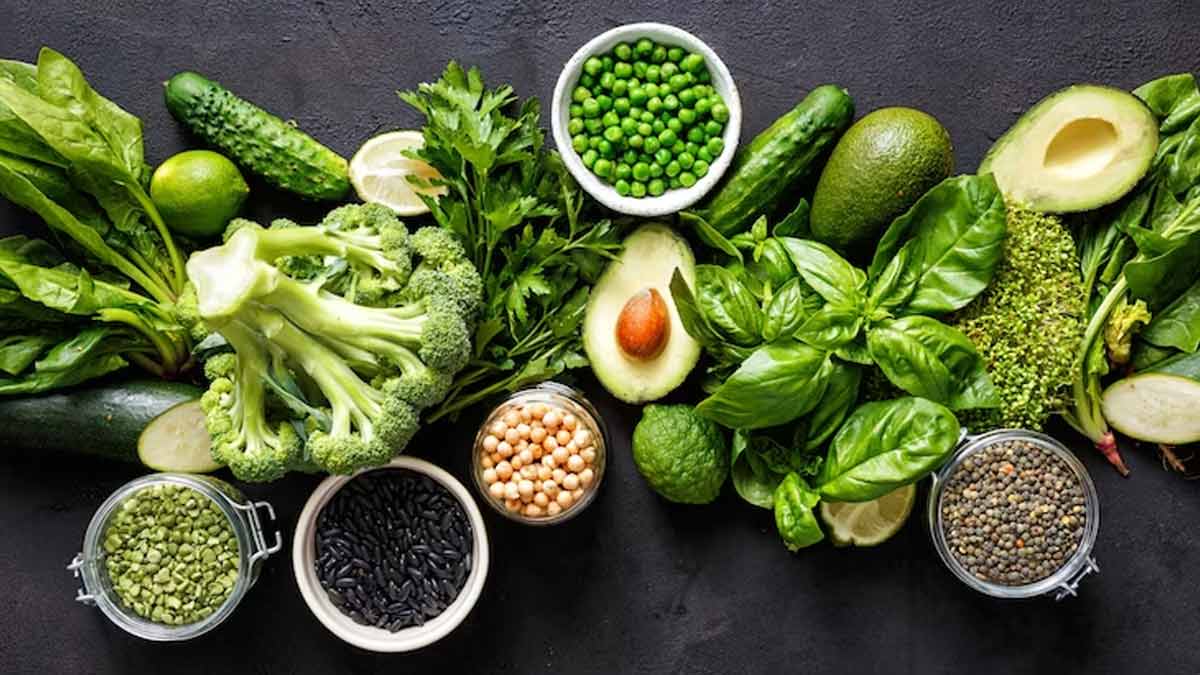 greens
2. Leafy Green Vegetables
Spinach, kale, and Swiss chard are packed with antioxidants, vitamins, and magnesium. Magnesium may help relax muscles and reduce cramping, while antioxidants combat oxidative stress that can worsen inflammation. Adding leafy greens to salads, smoothies, or soups is an easy way to increase intake.
3. Berries
Berries like blueberries, strawberries, and raspberries are packed with antioxidants, including anthocyanins, which can help reduce inflammation. These fruits are also high in fibre, which supports healthy oestrogen metabolism, i.e. an important factor because oestrogen can influence endometriosis symptoms.
4. Nuts and Seeds
“Adding walnuts, flaxseeds, and chia seeds to your daily routine can be a great way to boost your health,” shares Dr Pillai. These seeds are packed with good fats, fibre, and compounds that help reduce inflammation. Flaxseeds are particularly special because they contain lignans, which can help keep your hormones in balance. One easy way to incorporate these seeds into your diet is to sprinkle them over your yoghurt or oatmeal.
5. Olive Oil
According to the International Journal of Molecular Sciences, extra virgin olive oil contains oleocanthal, a natural compound with anti-inflammatory effects similar to ibuprofen. Replacing butter or refined oils with olive oil may help reduce inflammation over time while supporting heart health.
 endometriosis-inside
6. Turmeric
Turmeric contains curcumin, a compound with strong anti-inflammatory and antioxidant properties. Some studies, including one published in the Journal Nutrients by MDPI, have found that curcumin may help with the inflammation that comes with endometriosis. Adding turmeric to curries, soups, or warm milk may be helpful.
Bottomline
While diet alone cannot treat endometriosis, anti-inflammatory foods can help reduce pain and support overall symptom management. Fatty fish, leafy greens, berries, nuts, olive oil, and turmeric can all be part of an endometriosis-friendly eating plan. For best results, dietary changes should complement guidance from a healthcare professional.
FAQ
1. What foods should be avoided with endometriosis?
Processed foods, red meat, refined sugar, and trans fats may worsen inflammation and symptoms.2. Can an anti-inflammatory diet cure endometriosis?
No, but it may help reduce pain and support symptom management.3. How long does it take for dietary changes to help endometriosis pain?
For some individuals, positive changes can be seen in just a few weeks, while others may take longer.
All possible measures have been taken to ensure accuracy, reliability, timeliness and authenticity of the information; however Onlymyhealth.com does not take any liability for the same. Using any information provided by the website is solely at the viewers’ discretion. In case of any medical exigencies/ persistent health issues, we advise you to seek a qualified medical practitioner before putting to use any advice/tips given by our team or any third party in form of answers/comments on the above mentioned website.
How we keep this article up to date:
We work with experts and keep a close eye on the latest in health and wellness. Whenever there is a new research or helpful information, we update our articles with accurate and useful advice.
-
Current Version
Apr 27, 2026 16:35 IST
Modified By : Tanya Srivastava Apr 27, 2026 16:35 IST
Modified By : Tanya SrivastavaApr 27, 2026 16:35 IST
Published By : Tanya Srivastava
Reviewed By : Dr. Pooja Pillai