
Kidney stones are a common and often painful health problem, affecting people of different age groups. Among the various types of kidney stones, uric acid kidney stones are increasingly being diagnosed, especially in people with high uric acid levels, poor hydration habits, or certain dietary patterns. Unlike some other types of kidney stones, uric acid stones are closely linked to lifestyle factors such as diet, water intake, and overall metabolic health.
The good news is that these stones can often be treated effectively and, in some cases, even dissolved with medicines if detected early. Understanding how uric acid kidney stones form, recognising their symptoms, and making simple lifestyle changes can go a long way in preventing complications and improving long-term kidney health.
What Are Uric Acid Kidney Stones?
Uric acid kidney stones are hard crystals that form in the kidneys when there is too much uric acid in the urine. Uric acid is a natural waste product produced when the body breaks down substances called purines, which are commonly found in foods such as red meat, seafood, and organ meats.
Dr Arpit Srivastava, Consultant Nephrologist, Regency Hospital, Gorakhpur, explains, “Uric acid kidney stones are hard crystals that form when there is too much uric acid in your urine. Uric acid is a waste product your body makes when it breaks down certain foods.”
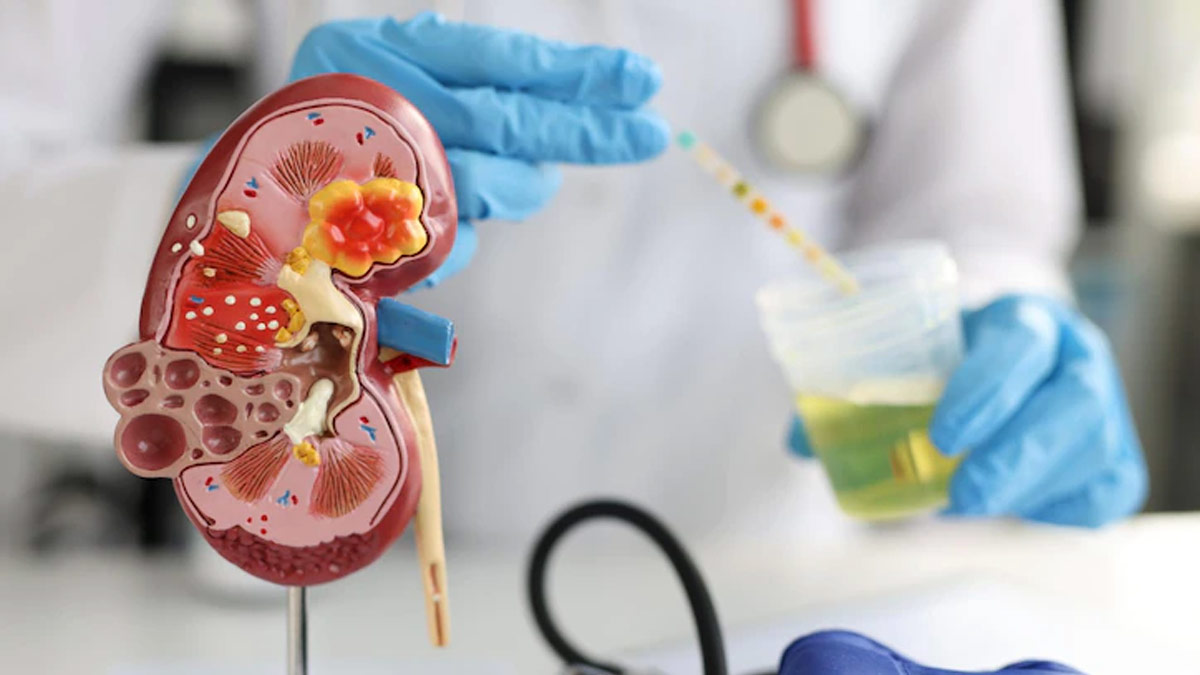
As per an international epidemiological study, uric acid stones account for approximately 8–10% of kidney stones worldwide, making them one of the most common non-calcium stone types. This highlights the growing importance of recognising uric acid stones early, especially as lifestyle-related risk factors such as obesity, dehydration, and metabolic disorders continue to rise globally.
ALSO READ- Signs You May Have a Kidney Stone: Early Symptoms You Should Never Ignore
How Uric Acid Stones Are Different From Other Types
What makes these stones different from other kidney stones is the way they form. Most kidney stones are made of calcium. However, uric acid stones form when urine becomes too acidic, creating the perfect environment for crystals to develop.
One key advantage of early detection is that uric acid stones can sometimes be dissolved with medications. This makes them different from many calcium stones, which often require procedures to break or remove them.
According to Dr Arpit, uric acid kidney stones have unique characteristics that set them apart from other stone types. “Most kidney stones are made of calcium. But uric acid stones form when your urine becomes too acidic. The good part is that these stones can sometimes be dissolved with medicines, unlike many other types,” he says.
This ability to dissolve with medication is one of the most important reasons why early diagnosis matters. When detected in time, treatment can be less invasive and recovery smoother.
A 2024 systematic review published in the Society of International Urology Journal found that uric acid kidney stones mainly form when urine becomes too acidic. It makes them different from calcium stones that usually form due to excess minerals like calcium or phosphate. The study explained that when urine stays acidic for a long time, uric acid becomes less soluble and turns into crystals that can form stones. This difference is important because uric acid stones can often be dissolved by making urine less acidic, while many calcium stones usually need procedures to break them.
Causes and Risk Factors of Uric Acid Kidney Stones
Uric acid stones usually form when urine becomes too acidic or too concentrated. Several lifestyle and health-related factors can increase the risk. Dr Arpit explains, “These stones usually form when your urine is too acidic or too concentrated.”

Common causes include:
- Not drinking enough water: Poor hydration is one of the most common triggers. When you drink less water, urine becomes concentrated, increasing the risk of crystal formation.
- High intake of red meat or seafood: These foods are rich in purines, which increase uric acid production.
- Excess alcohol consumption: Alcohol can increase uric acid levels and lead to dehydration.
- Being overweight: Obesity is linked to metabolic changes that promote uric acid stone formation.
- Diabetes or metabolic disorders: These conditions can alter urine composition and acidity.
- Hot climate conditions: Dr Arpit adds, “Hot weather, especially during Indian summers, can also play a role because you lose more water through sweat.”
Does High Uric Acid or Gout Increase the Risk?
Yes, people with high uric acid levels or gout are at a higher risk of developing uric acid kidney stones. Dr Arpit notes, “If you have high uric acid levels or conditions like gout, your body produces more uric acid than normal. This extra uric acid can collect in your urine and form stones.”
However, he also highlights an important point, “Even people without gout can get these stones if their diet and hydration are poor.” This means lifestyle habits play a significant role, even in individuals without underlying medical conditions.
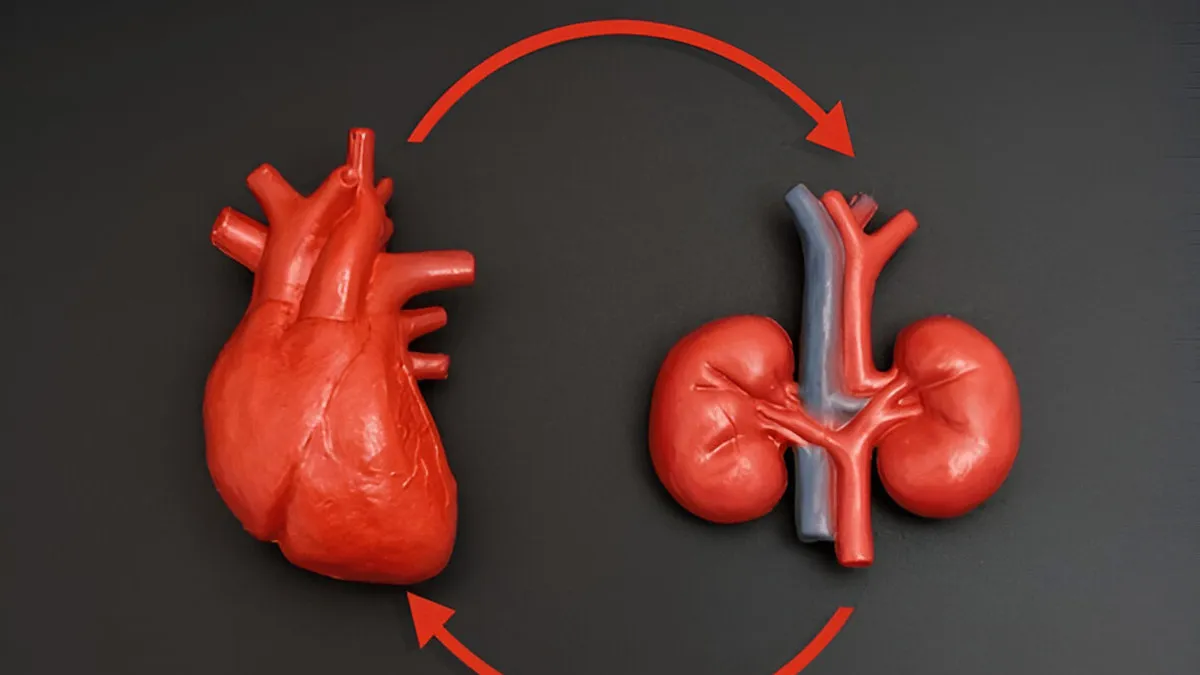
A 2022 population-based cohort study from MDPI that followed more than 17,000 people with gout found that those with gout had a 23% higher risk of developing kidney stones compared to people without gout. The study showed that excess uric acid in the body can collect in the urine and form crystals, which may later turn into stones. This explains why people with gout or high uric acid levels are more likely to develop uric acid kidney stones and need regular monitoring.
Symptoms of Uric Acid Kidney Stones
Symptoms can appear suddenly and may range from mild discomfort to severe pain. Dr Arpit explains, “Symptoms can feel sudden and intense.”
Common symptoms include:
- Sharp pain in the lower back or side
- Pain that moves towards the stomach or groin
- Burning sensation while passing urine
- Frequent urge to urinate
- Blood in urine (pink or reddish colour)
- Nausea or vomiting
Sometimes, small stones may pass through urine without causing noticeable pain. However, larger stones can block the urinary tract and lead to severe discomfort.
How Are Uric Acid Kidney Stones Diagnosed?
Diagnosing uric acid kidney stones involves a combination of tests that help determine the presence, size, and location of the stone. Dr Arpit explains, “Doctors use a mix of tests to confirm this.”
Common diagnostic tests include:
- Urine tests: These help check urine acidity levels and the amount of uric acid present.
- Blood tests: These measure uric acid levels in the bloodstream.
- Imaging tests: Ultrasound or CT scans are commonly used to identify stones.
“A CT scan is usually the most accurate,” Dr Arpit adds.
Early diagnosis plays a major role in preventing complications and guiding appropriate treatment.
Treatment Options for Uric Acid Kidney Stones
Treatment depends on the size of the stone, symptoms, and overall health of the patient. Dr Arpit explains, “Treatment depends on the size of the stone and your symptoms.”
Common treatment options include:
- Increasing water intake: Drinking plenty of water helps small stones pass naturally.
- Medications to reduce uric acid: Medicines such as allopurinol may be prescribed to lower uric acid levels.
- Urine-alkalising medicines: These medicines reduce urine acidity, making it easier for stones to dissolve.
- Pain relief medications: Used to manage discomfort during stone passage.
If the stone is large or does not pass naturally, advanced treatments may be required.
Advanced procedures include:
- Shock wave therapy: This technique breaks the stone into smaller pieces.
- Minor surgical procedures: Used when stones are stuck or causing complications.
Dr Arpit highlights an important point: “The unique thing here is that uric acid stones can often be treated without surgery if caught early.”
When Should You See a Doctor?
Seek medical attention immediately if you experience:
- Severe pain in the back or side
- Blood in urine
- Persistent vomiting
- Fever along with urinary pain
- Difficulty passing urine
Ignoring symptoms can lead to complications such as infections or kidney damage.
ALSO READ- Surgical Options for Kidney Stones: A Complete Guide
Conclusion
Uric acid kidney stones are common but manageable with timely care and lifestyle changes. They are strongly linked to diet, hydration levels, and uric acid balance in the body. The encouraging part is that these stones can often be prevented and, in many cases, even dissolved with the right treatment. Staying well-hydrated, making mindful food choices, and seeking medical advice early can significantly reduce the risk of recurrence and support long-term kidney health.
FAQ
1. Can uric acid kidney stones dissolve without surgery?
Yes, many uric acid stones can dissolve with medications that reduce urine acidity, especially if detected early.2. How much water should I drink to prevent uric acid stones?
Most adults should aim for around 2.5–3 litres of water daily, unless advised otherwise by a doctor.3. Are uric acid kidney stones linked to diet?
Yes, diets high in red meat, seafood, sugary drinks, and alcohol can increase uric acid levels and raise the risk of stones.4. Can people without gout develop uric acid kidney stones?
Yes, even people without gout can develop these stones due to poor hydration or unhealthy dietary habits.5. Do uric acid kidney stones always cause severe pain?
Not always. Small stones may pass without symptoms, but larger stones can cause intense pain and discomfort.
All possible measures have been taken to ensure accuracy, reliability, timeliness and authenticity of the information; however Onlymyhealth.com does not take any liability for the same. Using any information provided by the website is solely at the viewers’ discretion. In case of any medical exigencies/ persistent health issues, we advise you to seek a qualified medical practitioner before putting to use any advice/tips given by our team or any third party in form of answers/comments on the above mentioned website.
How we keep this article up to date:
We work with experts and keep a close eye on the latest in health and wellness. Whenever there is a new research or helpful information, we update our articles with accurate and useful advice.
-
Current Version
Apr 16, 2026 19:02 IST
Modified By : Vivek Kumar Apr 16, 2026 19:02 IST
Modified By : Vivek KumarApr 16, 2026 19:02 IST
Published By : Vivek Kumar
Reviewed By : Dr Arpit Srivastava