
Kidney stones are the most common urinary tract condition globally, and calcium oxalate stones are the most prevalent type. Calcium oxalate forms when calcium combines with oxalate in the urine and crystallises, eventually forming hard deposits in the kidneys.
While some calcium oxalate stones pass naturally through urine without causing major complications, others can grow bigger and lead to severe pain, urinary obstruction, infections, and kidney damage if left untreated. Therefore, understanding how these stones develop, their symptoms, and the dietary and medical strategies to prevent them is essential for maintaining kidney health.
Introduction
As per a 2025 report published in the Journal of Renal and Hepatic Disorders, kidney stones are a significant and growing global health issue, with prevalence rates estimated at approximately 12% of the world population. It also suggests that among the many types of kidney stones, calcium oxalate stones account for almost 70-80% of cases.
While the formation of a stone is significantly influenced by genetics, diet, hydration levels, and medical conditions, experts believe that many cases can be managed and/or prevented with proper lifestyle changes and guidance.
What Are Calcium Oxalate Kidney Stones?
Calcium oxalate kidney stones are hard crystalline deposits composed primarily of calcium and oxalate, a natural substance found in many foods and produced by the liver.
Under normal circumstances, oxalate and calcium are dissolved and excreted in urine. However, when urine is concentrated, or in other metabolic conditions, these substances may combine to create small crystals which slowly form kidney stones.
Calcium oxalate stones are usually found in the kidneys but may pass through the ureters, bladder and urethra during passage.
How Calcium Oxalate Kidney Stones Form
Kidney stones develop through a multi-step process involving a mineral imbalance in urine. According to the National Kidney Foundation, chemically, it is a transition from a liquid state to a solid crystal due to a process called supersaturation. There are four phases of stone formation, including:
1. Urinary Supersaturation: This is the major trigger, and in this phase, the urine becomes supersaturated, which happens due to dehydration or when the levels of calcium and oxalate are high. The liquid can no longer hold the dissolved minerals.
2. Nucleation (Crystal Birth): During supersaturation, microscopic-sized particles of calcium and oxalate collide and bond, which form a nucleus or tiny seed of a future stone.
 calcium
3. Absence of Inhibitors: According to an open-access journal, Clinical Medicine, several factors can increase this crystallisation process, including low urine citrate levels (which normally prevent stone formation) and high urinary oxalate levels. If a person’s citrate levels are low, the crystals remain sticky and active.
4. Aggregation and Growth: These tiny crystals clump together through a process called aggregation. They often attach to Randall’s Plaques, which are calcium deposits on the kidney's inner lining, where mineral layers build up until they grow into a hard, jagged stone.
Causes & Risk Factors of Calcium Oxalate Kidney Stones
Several lifestyle, dietary, and medical factors may increase the risk of developing calcium oxalate stones. These include:
1. Dehydration
Low fluid intake results in concentrated urine, which predisposes the person to the possibility of the crystallisation of minerals, hence leading to calcium oxalate kidney stones.
2. High-Oxalate Diet
Foods rich in oxalate can increase oxalate levels in urine.
3. Excess Sodium Intake
High salt consumption increases calcium excretion in urine, increasing the risk of stone formation. The World Health Organization (WHO) recommends that adults consume less than 5 grams of salt, i.e., less than 2,000 mg of sodium, per day.
4. Low Calcium Intake
Low dietary calcium can increase oxalate absorption from the gut.
5. Some Medical Conditions
Some of the conditions that can lead to the formation of stones include:
- Hyperparathyroidism
- Obesity
- Digestive disorders affecting nutrient absorption
- Frequent Urinary Tract Infection (UTI)
- Genetics
Symptoms of Calcium Oxalate Kidney Stones
According to the National Kidney Foundation, symptoms vary depending on the stones’ size and location. The common symptoms include:
- Severe pain in the lower back or side (renal colic)
- Pain radiating to the lower abdomen or groin
- Blood in urine (hematuria)
- Frequent urination
- Pain during urination
- Nausea and vomiting
- Cloudy or foul-smelling urine
 1
1
Emergency Red Flags: When to See a Doctor
Some symptoms may indicate urinary blockage or infection, which requires immediate treatment. Experts believe that immediate medical attention is required if the following symptoms occur:
- Severe pain that prevents sitting or finding a comfortable position
- Fever and chills (potential infection)
- Continuous nausea or vomiting
- Blood in urine
- Difficulty passing urine
- Pain lasting longer than several hours
Diagnosis: Tests for Calcium Oxalate Kidney Stones
The diagnostic tests for kidney stones and calcium oxalate kidney stones are generally the same, but the process to specifically identify calcium oxalate is usually done after a stone is found.
Here’s what doctors do to confirm kidney stones and determine their size and location:
1. Imaging Tests
These help visualise the stones inside the urinary tract. Common imaging techniques include:
- CT scan (most accurate)
- Ultrasound
- X-ray
2. Urine Tests
Urinalysis can detect:
- Blood in urine
- High calcium or oxalate levels
- Signs of infection
3. Blood Tests
Blood tests help identify underlying metabolic conditions that affect the calcium balance.
Treatment of Calcium Oxalate Kidney Stones
The treatment of calcium oxalate kidney stones mainly depends on stone size, location, and symptoms. Here’s how to determine:
Small Stones (Less than 5 mm)
Most small stones pass naturally. Treatment typically includes:
- Increased water intake
- Pain management medications
- Alpha blockers to relax the urinary tract
Medium Stones (5-10 mm)
These may pass naturally but sometimes require medical assistance. Doctors may recommend:
- Medications to facilitate passage
- Shock Wave Lithotripsy
Large Stones (More than 10 mm)
Stones that are bigger than 10mm may be subject to medical intervention that includes:
- Shock Wave Lithotripsy (SWL): Breaks stones into smaller pieces with the use of sound waves
- Ureteroscopy: A thin scope is inserted through the urinary tract to remove or break stones
- Percutaneous Nephrolithotomy (PCNL): Minimally invasive surgery used for very large stones
 2
2
Complications If Calcium Oxalate Kidney Stones Are Not Treated
If left untreated, calcium oxalate kidney stones may cause complications. These may include:
- Urinary tract infections
- Kidney swelling, also known as hydronephrosis
- Chronic kidney damage
- Recurrent stone formation
- Blockage of urine flow
Can Calcium Oxalate Stones Reoccur?
Kidney stones often recur. A 2025 study published in Springer suggests that nearly 50% of people who develop kidney stones may experience another episode within five to 10 years if preventive steps are not taken.
Some preventative measures include:
- Ensuring proper hydration
- Managing diet
- Monitoring urine composition
- Treating underlying metabolic disorders
Suitable Diet for Calcium Oxalate Kidney Stones
Dietary choices are often the first line of defence against calcium oxalate stones. According to Dr Vishal, the goal is to reduce the concentration of stone-forming substances in the urine while ensuring the body has enough barriers to stop crystals from sticking together. Here’s an expert-approved guide on what to eat and avoid.
Foods to Eat
1. Adequate water intake
The most important step is sufficient water intake (2.5-3 litres per day). Drinking sufficient water helps neutralise the factors that contribute to a stone. As per the National Kidney Foundation, proper fluid intake also dilutes the level of minerals in the urine. When urine is dilute, it is chemically much harder for calcium and oxalate to find each other and bond.
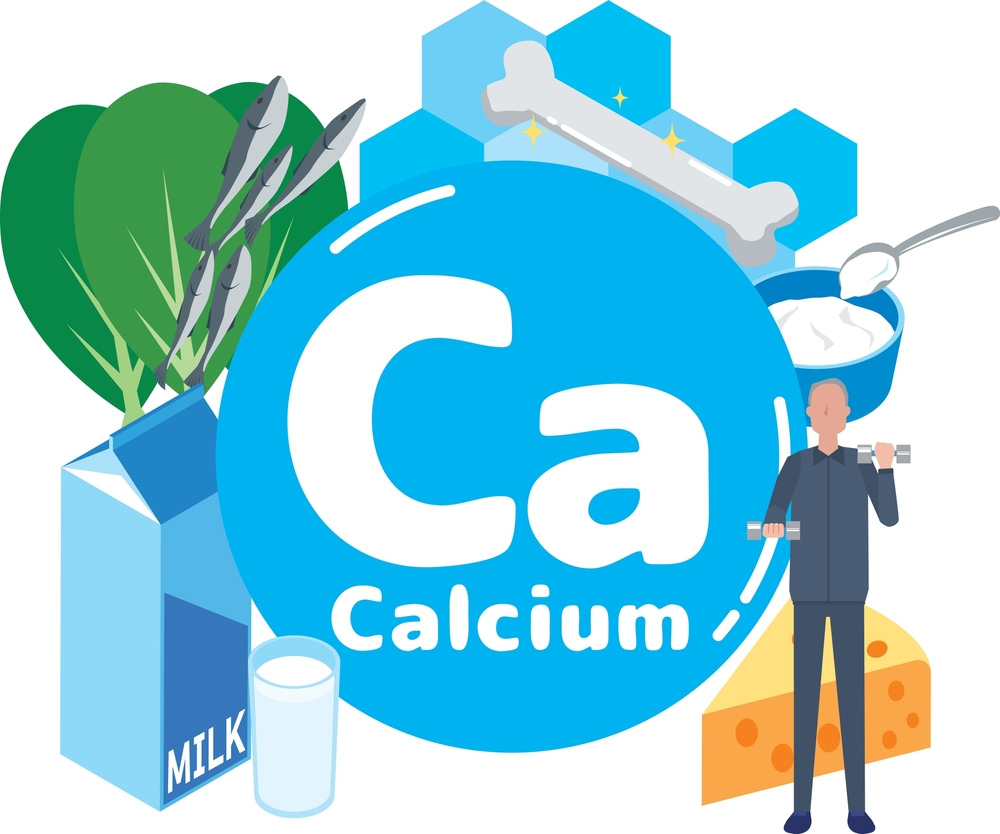
2. Calcium-rich foods (Milk, yoghurt, cheese)
It sounds counterintuitive, but calcium is your friend. “When you eat calcium and oxalate-rich foods together, they bind in the stomach and intestines before reaching the kidneys,” explains Dr Vishal. According to the same report by the National Kidney Foundation, this enables the excretion of oxalate in the stool instead of it getting to the urine, where it forms stones.
3. Citrus fruits (Oranges and lemons)
Citrus fruits are high in citrate, which binds calcium in the urine, making it essentially clogged to prevent it from bonding with the oxalate. It also makes the urine less acidic, further preventing crystal formation.
Foods to Limit or Avoid
According to our expert, the following food items contribute to the chemical environment that allows stones to thrive, hence making it something you should limit or avoid.
1. High-Oxalate Foods (Spinach, beetroot, nuts, chocolate, soy)
These foods are major contributors of oxalate in the urine. In people prone to stones, the body cannot process this excess efficiently, leading to supersaturation where crystals form rapidly.
2. Sodium (Salt)
High salt intake causes the body to clear this excess at a slow pace. Even if a person is not eating much calcium, a high-salt diet can pull calcium from the blood and dump it into the urinary tract.
3. High Animal Protein (Red meat, poultry)
According to StatPearls Publishing, excessive intake of animal protein increases uric acid levels and decreases citrate (the good stone-blocker) in the urine, which creates an acidic environment that makes it easier for calcium oxalate to crystallise.
Conclusion
Calcium oxalate kidney stones are the most common type of kidney stones and can cause significant discomfort and complications if not addressed promptly. They form when calcium and oxalate in the urine crystallise and accumulate in the kidneys.
However, many cases can be managed effectively through proper hydration, balanced dietary habits, early diagnosis, and appropriate medical treatment. Individuals who have experienced kidney stones before should take preventive measures to reduce the risk of recurrence.
FAQ
1. What causes calcium oxalate kidney stones?
Calcium oxalate stones form when high levels of calcium and oxalate combine in concentrated urine. Some factors that increase the risk include dehydration, high-oxalate diets, and metabolic conditions.2. How long does it take for a kidney stone to pass?
Small stones may pass within a few days to a few weeks, depending on their size and location. However, stones bigger than 10mm require medical assistance.3. What is the best way to prevent kidney stones?
Drinking adequate water is the best approach to prevent kidney stones as it dilutes urine and reduces the likelihood of mineral crystallisation.4. Are calcium oxalate stones preventable?
In many cases, they can be prevented through lifestyle changes such as proper hydration, dietary adjustments, and medical monitoring.5. Is surgery always required for kidney stones?
No. Many small stones pass naturally. Surgical or minimally invasive procedures are usually reserved for larger or obstructive stones.
All possible measures have been taken to ensure accuracy, reliability, timeliness and authenticity of the information; however Onlymyhealth.com does not take any liability for the same. Using any information provided by the website is solely at the viewers’ discretion. In case of any medical exigencies/ persistent health issues, we advise you to seek a qualified medical practitioner before putting to use any advice/tips given by our team or any third party in form of answers/comments on the above mentioned website.
How we keep this article up to date:
We work with experts and keep a close eye on the latest in health and wellness. Whenever there is a new research or helpful information, we update our articles with accurate and useful advice.
-
Current Version
Mar 18, 2026 19:10 IST
Modified By : Tanya Srivastava Mar 18, 2026 19:10 IST
Modified By : Tanya SrivastavaMar 18, 2026 19:10 IST
Modified By : Tanya SrivastavaMar 18, 2026 19:10 IST
Modified By : Tanya SrivastavaMar 18, 2026 19:10 IST
Published By : Tanya Srivastava
Reviewed By : Dr Vishal