
Grabbing packaged food on a busy day feels harmless enough. But what happens when that "just this once" becomes an everyday habit? It may be easy to eat processed foods every day, but it's the regular intake of these foods that could affect the health of one's kidneys. This is what a kidney specialist urges everyone to know about this common practice and its impact on the kidneys in the long run.
Is Packaged Food Actually Harmful to Your Kidneys?
Dr Arpit Srivastava, Consultant Nephrologist, Regency Hospital, Gorakhpur, explains that it isn't quite that simple. "From a clinical standpoint, processed foods are not entirely harmful," he explains. The real concern lies elsewhere. “One issue here is how much extra preservative, sugar and fat are added to these foods.”
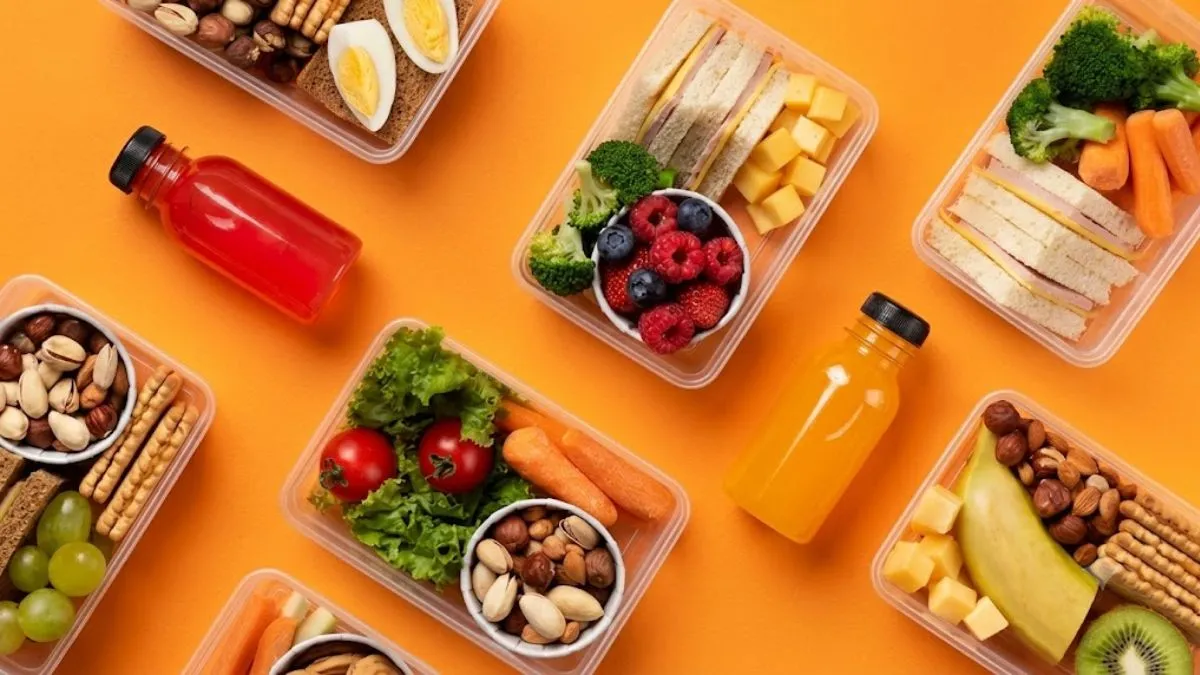 Packaged Food
According to Dr Srivastava, people who eat these foods often are more likely to develop high blood pressure, obesity, and diabetes, which are all major risks to their kidney health. “One ingredient is particularly noteworthy,” he says. But one of the most significant ingredients is the surplus of salt, which leads to water retention and high blood pressure.
This isn't just a clinical opinion. A large 2022 study published in the American Journal of Kidney Diseases followed more than 14,000 adults without kidney disease for a median of 24 years. Nearly 5,000 participants progressed to chronic kidney disease (CKD) during the study period, with a clear link between ultra-processed food consumption and an increased risk of CKD.
ALSO READ- Kidney Stones vs UTI: Expert Shares How to Spot the Difference
Why Are Phosphate Additives a Particular Concern for The Kidneys?
Beyond salt and the above-mentioned things, Dr Srivastava points to another hidden risk in packaged food. "Another issue is the consumption of phosphate additives, which are commonly found in many processed foods," he explains.
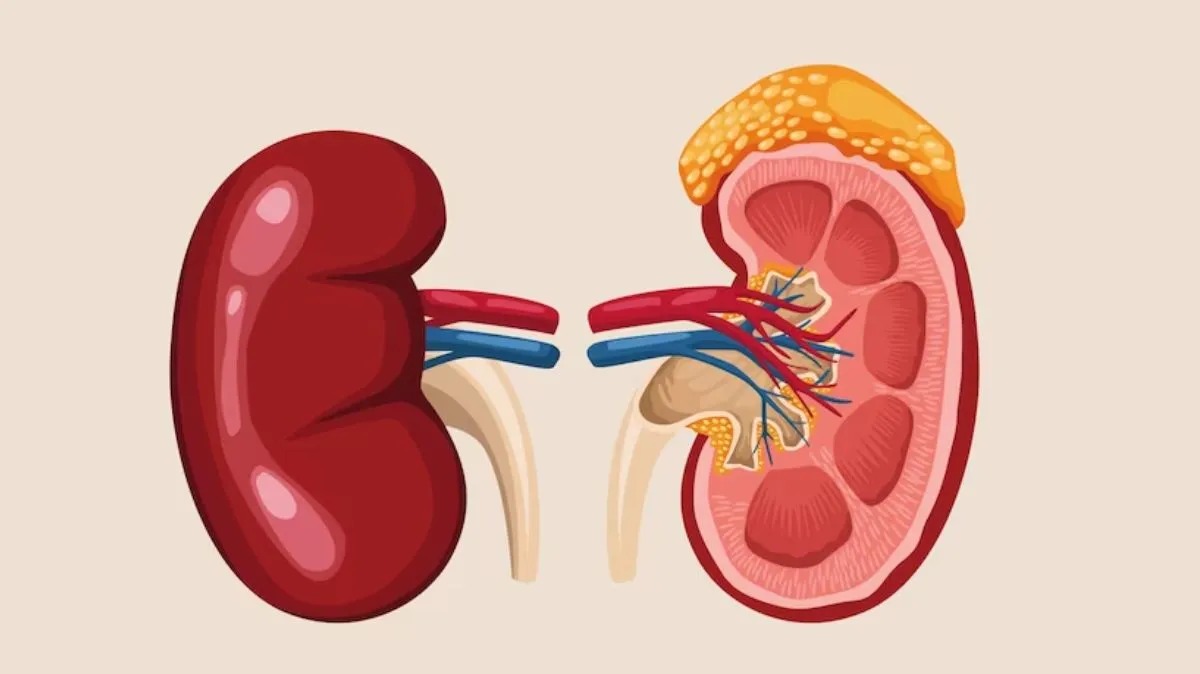
"Phosphate additives are very bioavailable and are easier to absorb than the natural phosphorus that is present in most plant foods." This matters more for people who already have some degree of kidney impairment. According to Dr Srivastava, "renal impaired patients are susceptible to hyperphosphatemia because of high phosphate intake, as kidneys cannot get rid of extra phosphorus from the body."
He also notes that potassium levels need careful consideration, "especially in patients with advanced chronic kidney disease and those with hyperkalemia."
A 2024 review published in Renal Failure, pooling data from multiple longitudinal cohort studies, found that the highest levels of ultra-processed food intake were associated with a 25% higher relative risk of developing chronic kidney disease compared to the lowest intake levels.
Does Packaged Food Push Out Healthier Options?
There's a knock-on effect worth considering too, according to Dr Srivastava. Processed food consumption in regular quantities may lead to the displacement of healthy produce such as fruits, vegetables, whole grains, and home-prepared meals.
-1787649640184.webp) Packaged Food (1)
Packaged Food (1)
He's careful to add an important balancing point, though. There has also been scientific research that suggests a correlation between the consumption of processed foods and higher risks of developing kidney issues. However, the diet is not the only factor in the development of renal health issues.
Research on people who already have kidney disease reinforces just how relevant this is even after diagnosis. A 2023 study published in the American Journal of Kidney Diseases, part of the CRIC cohort study, found that higher ultra-processed food intake was associated with faster kidney disease progression, increased mortality risk, and higher cardiovascular disease risk in adults already living with chronic kidney disease.
Do You Need to Completely Avoid Packaged Food?
Not necessarily, according to Dr Srivastava. "In practical terms, packaged food is not something that one has to completely avoid. However, such food cannot become the basis of one's diet."
He offers a few practical habits instead:
- Proper reading of food labels
- Keeping track of the amount of salt and sugar consumed
- Reducing the consumption of processed and convenience food
- Opting for fresh food where possible
Dr Srivastava adds one important caveat. Those who suffer from diabetes, high blood pressure, or kidney problems have to be even more careful about their diet.
ALSO READ- Can Chronic Kidney Disease Be Reversed? Expert Weighs In
Conclusion
Packaged food is not a problem on its own. However, eating it over many years can lead to high blood pressure, diabetes, and kidney disease. This happens mostly because of the high salt content, added sugar, and phosphate additives found in these foods. Recent studies make this connection hard to ignore.
This is especially important for people who are already at risk due to diabetes or high blood pressure. The best way to protect your health is to make fresh, home-cooked meals the foundation of your diet rather than an occasional choice.
FAQ
1. Are all packaged foods equally risky for kidney health?
No, not everything that is packaged is at the same level of risk. Minimally processed packaged foods, such as frozen vegetables or plain canned beans, usually are less problematic than heavily processed snack foods2. Can kidney damage from years of processed food consumption be reversed?
This varies immensely depending on the extent of kidney damage and on the cause.
All possible measures have been taken to ensure accuracy, reliability, timeliness and authenticity of the information; however Onlymyhealth.com does not take any liability for the same. Using any information provided by the website is solely at the viewers’ discretion. In case of any medical exigencies/ persistent health issues, we advise you to seek a qualified medical practitioner before putting to use any advice/tips given by our team or any third party in form of answers/comments on the above mentioned website.
How we keep this article up to date:
We work with experts and keep a close eye on the latest in health and wellness. Whenever there is a new research or helpful information, we update our articles with accurate and useful advice.
-
Current Version
Aug 25, 2026 14:52 IST
Modified By : Vivek Kumar
Reviewed By : Dr Arpit Srivastava Aug 25, 2026 14:52 IST
Published By : Vivek Kumar