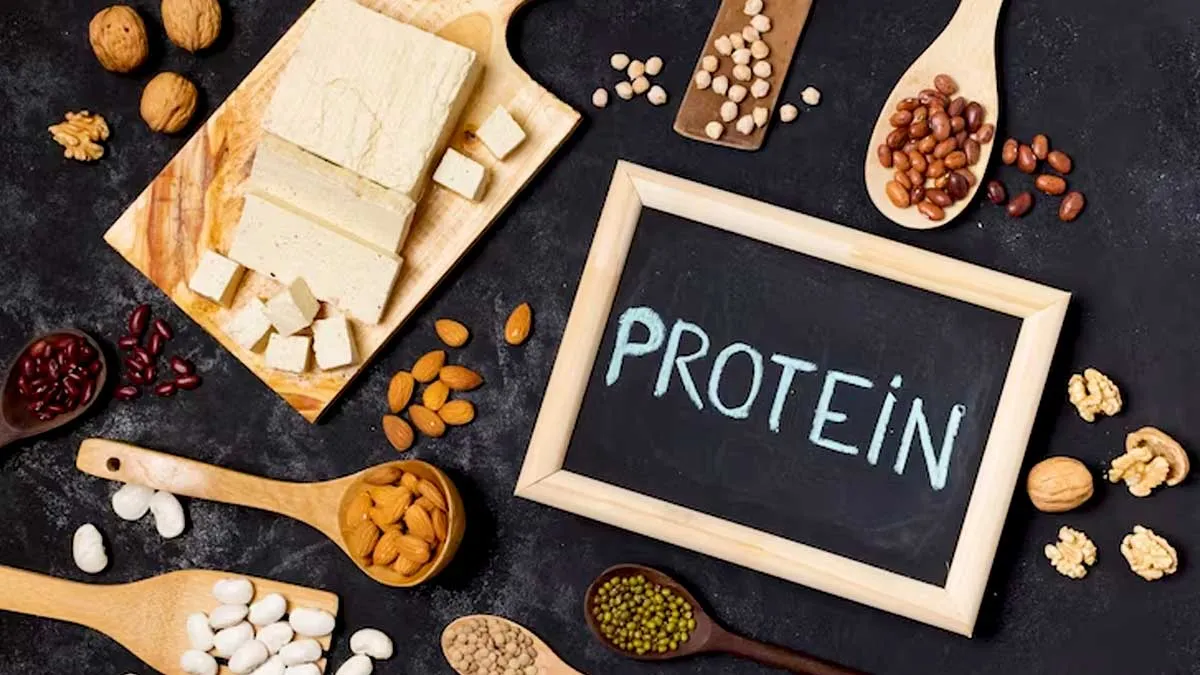
Protein has become the superstar of modern nutrition. From gym-goers chugging shakes to everyday eaters choosing high-protein snacks, the nutrient is everywhere. But amid the hype, one often thinks how much protein do we actually need and is more always better?
According to Varnit Yadav, Nutrition, Exercise, and Fitness Expert and Trainer, from Lucknow, meeting the nutritional requirements for protein requires an understanding of what science has to say and what social media trends are.
Why Protein Matters More than You Think
While many people relate proteins only to muscle building, the vast majority of roles they play are well beyond that. Protein is important for tissue repair, enzyme and hormone production, a sound immune system, and healthy hair, skin, and nails. Every cell in the human body depends upon it to operate effectively.
ALSO READ- Men’s Metabolism After 30: What Should Change in Your Diet?
 pro
pro
"Protein is a building block nutrient. Without adequate protein, the body has a hard time repairing itself, regulating hormones, and maintaining lean muscle mass-especially as we age," Varnit explained.
How Much Protein Do We Really Need?
The commonly Recommended Dietary Allowance (RDA) for protein is 0.8 grams per kilogram of body weight per day. While this amount may prevent deficiency, experts say it may not be optimal for everyone.
"For sedentary people, 0.8 g/kg can be sufficient for barely meeting the requirement. In active people, exercising individuals, or those engaged in fat loss and lean muscle gain, the protein requirements are higher,” Varnit added. Here is a more practical breakdown:
- Sedentary adults: 0.8 to 1.0 g/kg
- Recreatively active people: 1.0 to 1.2 g/kg
- Strength training or endurance athletes: 1.4 to 2.0 g/kg
- Older adults (to prevent muscle loss): 1.2 to 1.5 g/kg
These may include an intake of 72 to 90 grams daily for a 60 kg active woman or 105 to 135 grams for a 75 kg man who is regularly trained.
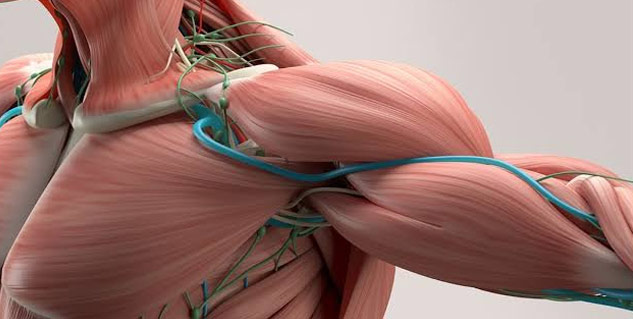 muscle
Does Eating More Protein Mean Better Results?
Not necessarily, Varnit noted that while protein is important, too much doesn't mean it automatically develops into more muscle or faster fat loss. The body can use only so much at any one time, and excess protein may be stored as calories or put unnecessary stress on digestion when hydration and overall diet are not good.
"Protein works best when combined with strength training, adequate calories, sleep and micronutrients. It's not a shortcut, it's part of a system,” Varnit highlighted.
Importance of Distribution and Quality of Protein
The quality of protein is as important as the quantity. Examples of complete proteins, which contain all the essential amino acids, include eggs, dairy, meat, fish, soy, and quinoa. Plant-based eaters can still meet needs by combining different sources like lentils, rice, nuts, and seeds.
Additionally, it is equally important to spread protein intake throughout the day. Research suggests consuming 20 to 30 grams of protein per meal supports better muscle protein synthesis than loading it all into one meal.
Signs You're Not Getting Enough Protein
Low intake of protein can easily and silently start affecting health. The warning signs comprise frequently experienced tiredness, muscular weakness, slow recovery post-workouts, hair thinning, constant illness, and persistent hunger.
"In many clients, unexplained tiredness or poor recovery from workouts improves simply by correcting protein intake," Varnit shared.
Bottomline
Protein requirements are individual, not general. While the general guidelines may provide a starting point, factors such as activity level, age, goals, and lifestyle in general will determine how much protein the human body really needs.
FAQ
1. Can too much protein cause kidney damage?
For healthy people, high-protein diets are generally safe. However, people with existing kidney disease should consult a doctor before increasing protein intake.2. Is plant protein as effective as animal protein?
Yes, plant proteins can fulfill all essential amino acid needs if consumed in appropriate combinations and amounts.3. Do women need less protein than men?
Protein needs are more related to body weight and activity level, along with specific goals, rather than gender. An active woman may require as much protein as a man relative to her size.
All possible measures have been taken to ensure accuracy, reliability, timeliness and authenticity of the information; however Onlymyhealth.com does not take any liability for the same. Using any information provided by the website is solely at the viewers’ discretion. In case of any medical exigencies/ persistent health issues, we advise you to seek a qualified medical practitioner before putting to use any advice/tips given by our team or any third party in form of answers/comments on the above mentioned website.
How we keep this article up to date:
We work with experts and keep a close eye on the latest in health and wellness. Whenever there is a new research or helpful information, we update our articles with accurate and useful advice.
-
Current Version
Dec 23, 2025 17:47 IST
Modified By : Tanya Srivastava Dec 23, 2025 17:47 IST
Modified By : Tanya SrivastavaDec 23, 2025 17:47 IST
Published By : Tanya Srivastava
Reviewed By : Varnit Yadav