Health conscious adults are constantly counting their protein intake. They want to make sure they are meeting their daily protein requirements. While this may be a good practice for health, many people miss out one crucial dietary aspect: focusing on fibre. Eating excess protein, but ignoring your daily fibre intake, is of no good. In fact, it can harm your gut health. This is why it is important to have a balanced diet. If you are wondering exactly how much protein is too much protein, or how much fibre to add in your daily diet, read ahead.
To understand this better, we reached out to Ms Chitra BK, Chief of Dietetics, KIMS Hospitals, Electronic City, Bengaluru.
Can Excess Protein Intake Without Enough Fibre Harm Gut Health?
Ms Chitra says that a diet rich in protein promotes muscle function, satiety, and metabolism. But what if your diet involves too much protein, but too less fibre? Answering this, the expert says, “When there is an excess of protein intake compared to fibre consumption, it can have a detrimental effect on the intestinal flora. Fibre is the main energy source for friendly bacteria. If your diet does not contain sufficient amounts of fibre, such as fruits, vegetables, whole grains, beans, nuts, and seeds, the population of these bacteria becomes reduced, thus producing less short-chain fatty acids that help keep the intestinal wall healthy and fight inflammation.”
Ms Chitra adds, “In addition, excessive animal protein consumption, especially meat, without sufficient fibre consumption, can disrupt the gut flora balance; this causes bacteria that produces undesirable substances to prevail, leading to such conditions as bloating, constipation, and diarrhoea.”
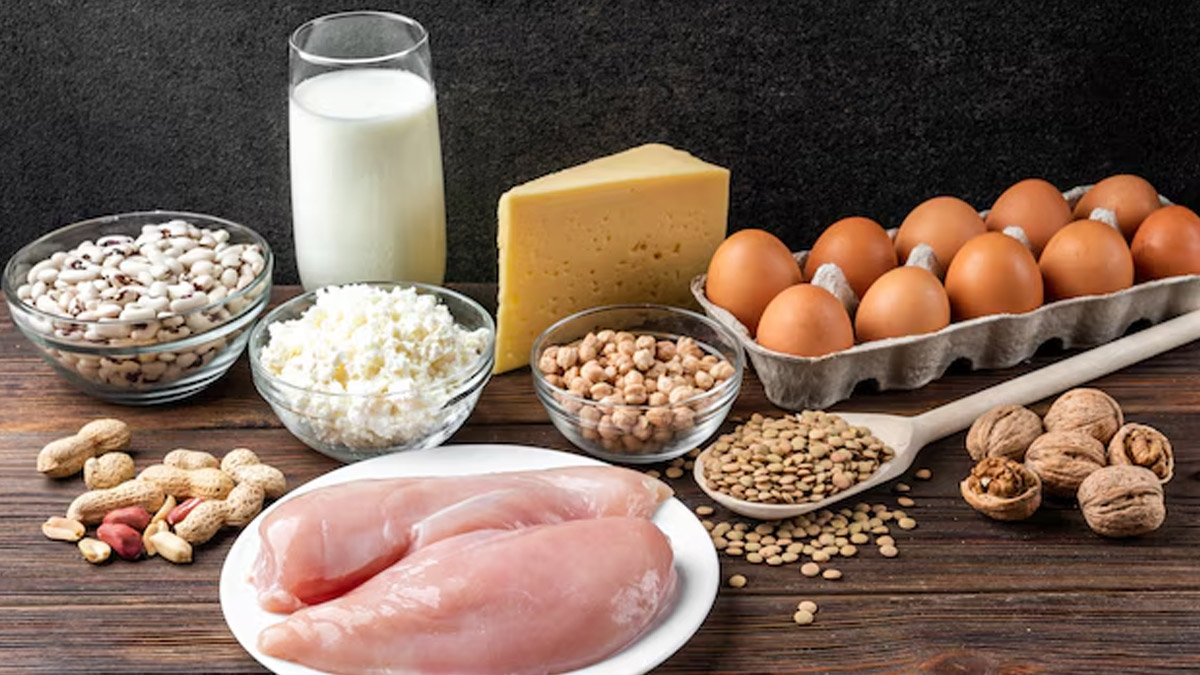
How Much Protein Do You Need?
According to the Mayo Clinic, protein should account for 10% to 35% of your calories. This means if your daily needs are 2,000 calories, that's 200-700 calories from protein or 50-175 grams. However, you should keep in mind that this depends on various factors. Let’s take a look at them:
For an average adult:
For an average sedentary adult, the recommended dietary protein allowance is 0.8 grams per kilogram of body weight. For instance, a person who weighs 165 pounds or 75 kilograms, should consume 60 grams of protein per day.
For adults in the age group 40-50:
Once you are between the ages of 40 and 50, you will start experiencing sarcopenia (losing muscle mass as you age). To prevent this, your protein needs to increase to about 1-1.2 grams per kilogram or 75-90 grams per day for a 165-pound person.
Those who exercise regularly:
Individuals who exercise regularly have higher protein needs, about 1.1-1.5 grams per kilogram. Those who regularly lift weights or are training for a running or cycling event need 1.2-1.7 grams per kilogram. They need protein intake of about more than 2 grams per kilogram of body weight each day.
Those who are overweight:
For an overweight individual, your weight should be adjusted before calculating your protein needs to avoid overestimating. Consult a medical professional, who can help you with this calculation and curate a personalised plan.
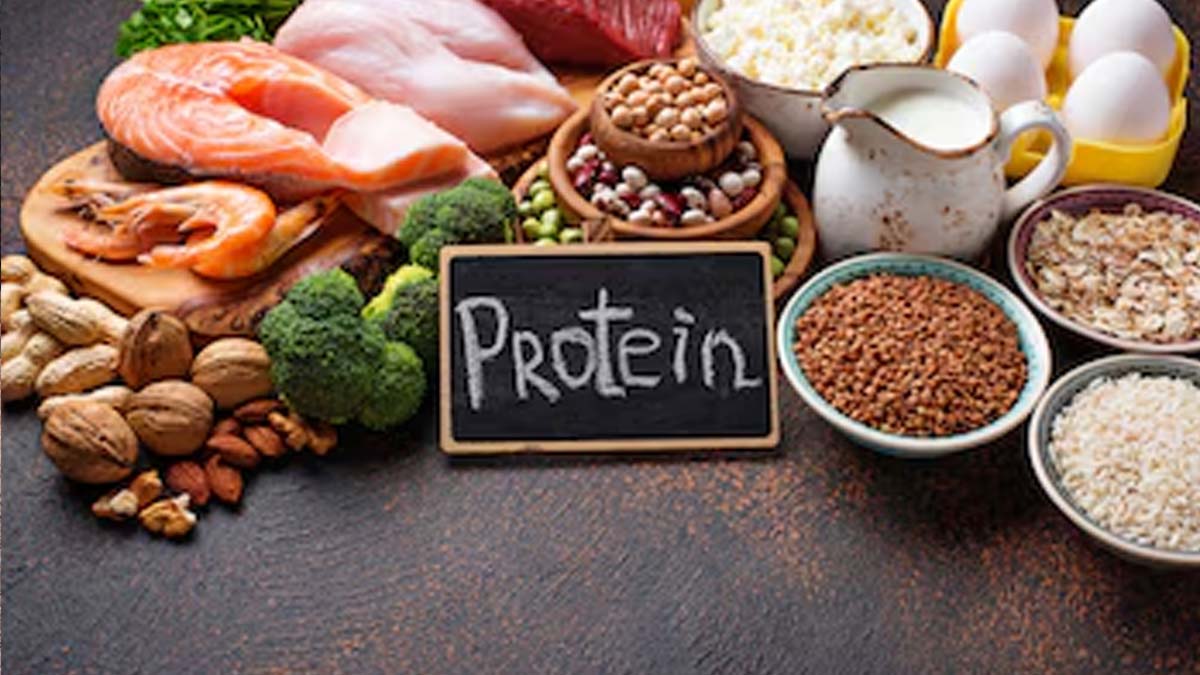
When is The Best Time To Eat Protein?
As per the Mayo Clinic, there is no specific time when you should eat or maximise your protein intake. It notes that the best way to add it in diet is to spread out your protein consumption evenly throughout the day.
On average, people mostly get their protein from evening meals and the least from breakfast. Some latest studies show that adding some protein from dinner to breakfast can help with weight management by decreasing hunger and cravings throughout the day. However, more research is needed before these claims can be verified.
As per general recommendations, it is ideal to consume 15-30 grams of protein at each meal. Studies note that higher intakes in one sitting (that is, more than 40 grams) are no more beneficial than consuming the recommended 15-30 grams at one time.
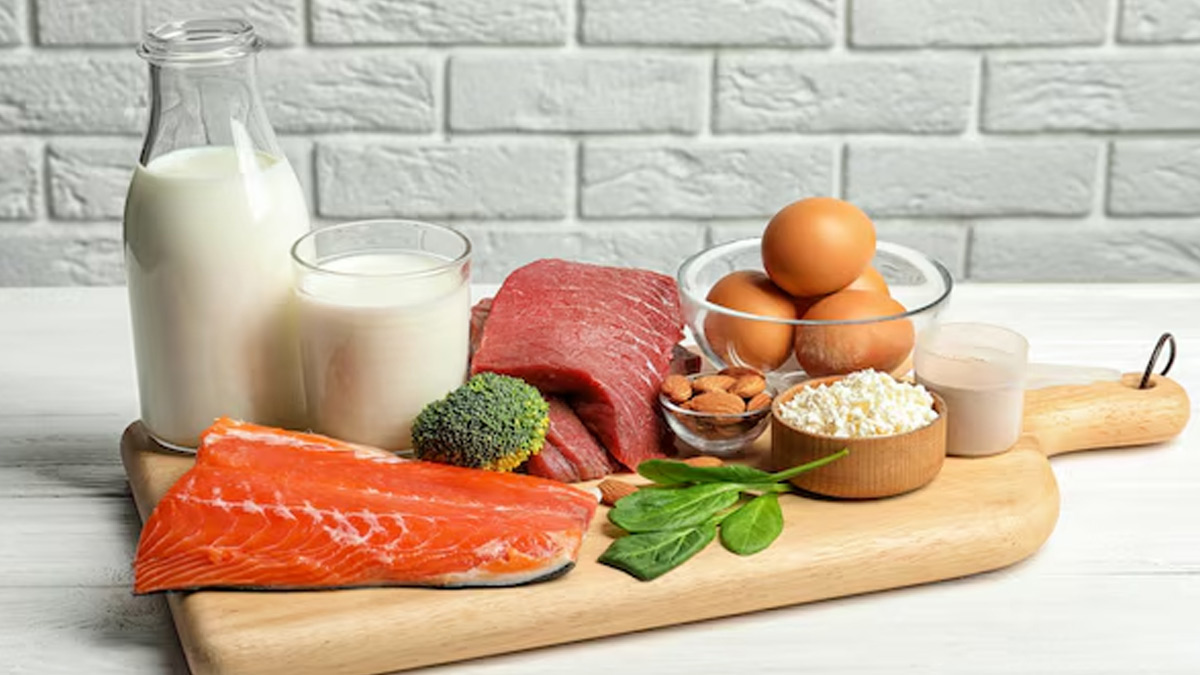
Tips To Balance Protein With Fibre
Ms Chitra says that in order to achieve good gut health, one cannot simply concentrate on protein; instead, what is important is that the plate needs to remain well-balanced. On this note, the expert shares some dietary tips to balance your protein with fibre the right way:
The recommendation would be to consume around 25-35 grams of fibre a day, depending on personal protein requirements (which vary according to age, activity level and other factors).
Foods containing protein need to be combined with foods containing fibre such as grilled chicken served with vegetables and brown rice, Greek yoghurt with fruits and chia seeds, or lentils and whole grains.
ALSO READ- Can Eating Too Much Protein Harm Your Health? Dietitian Answers
Conclusion
Meeting your daily protein goals is no doubt important for muscle health and metabolism. But neglecting dietary fibre can severely disrupt your gut microbiome and can lead to uncomfortable digestive issues. To maintain good overall gut health, focus on creating a balanced plate by regularly pairing high-quality proteins with fibre-rich foods such as vegetables, whole grains, and seeds. By balancing your protein intake and ensuring you are eating enough fibre daily, you can successfully support your overall wellbeing and achieve a thriving digestive system.
FAQ
What happens if you eat too much protein and not enough fibre?
Eating too much protein without enough fibre generally causes severe digestive distress, persistent constipation, painful bloating, gas, and intestinal inflammation.What are the signs you are not eating enough fibre?
The signs your body is not getting enough fibre include constipation, frequent hunger, and fatigue.
All possible measures have been taken to ensure accuracy, reliability, timeliness and authenticity of the information; however Onlymyhealth.com does not take any liability for the same. Using any information provided by the website is solely at the viewers’ discretion. In case of any medical exigencies/ persistent health issues, we advise you to seek a qualified medical practitioner before putting to use any advice/tips given by our team or any third party in form of answers/comments on the above mentioned website.

How we keep this article up to date:
We work with experts and keep a close eye on the latest in health and wellness. Whenever there is a new research or helpful information, we update our articles with accurate and useful advice.
-
Current Version
Jul 28, 2026 16:49 IST
Published By : Shruti Das
Reviewed By : Ms Chitra B K