
‘How much protein can your body absorb in a single meal?’ – Many people have this question. We have bought into the popular myth that the human digestive system can only process 20 to 30 grams of protein at once. However, clinical nutrition experts clarify that your body actually absorbs nearly all the protein you consume. The real difference lies in how much of that protein is immediately used for muscle synthesis versus other vital bodily functions. By understanding how protein digestion truly works, you can optimise your meals for maximum muscle recovery and overall health.
To separate facts from fiction, we reached out to Ms Edwina Raj, Head of Services, Clinical Nutrition and Dietetics, Aster CMI Hospital, Bangalore.
How Much Protein Can Your Body Absorb in One Meal?
Ms Raj says that a common myth is that the body can absorb only 20–30 grams of protein at one time. The expert explains, “In reality, the digestive system absorbs nearly all the protein you eat. The real question is not absorption but how much of that protein is used immediately for building and repairing muscle.”
She continues, “Research suggests that around 20–40 grams of high-quality protein in a meal is enough to maximise muscle protein synthesis for most adults, although individual needs vary depending on body size, age, physical activity, and health conditions.”
Ms Raj further explains, “Any protein consumed beyond this amount is not wasted. The body continues to digest and absorb it, using the amino acids for many important functions such as producing enzymes, hormones, immune cells, and other body tissues. Excess protein may also be used as a source of energy, if required.”
 protein per meal main
A 2018 study, published in the Journal of the International Society of Sports Nutrition, mentions that our digestive system can actually absorb an almost unlimited amount of protein at once. It adds that the real question is not how much protein is absorbed, but rather how much of it can be effectively used to build and repair muscle tissue at one go. The research clarifies that consuming larger amounts of protein in one meal does not mean the extra nutrients are wasted; in fact, our body simply digests slower-acting proteins over a longer period to use for other tissue-building needs.
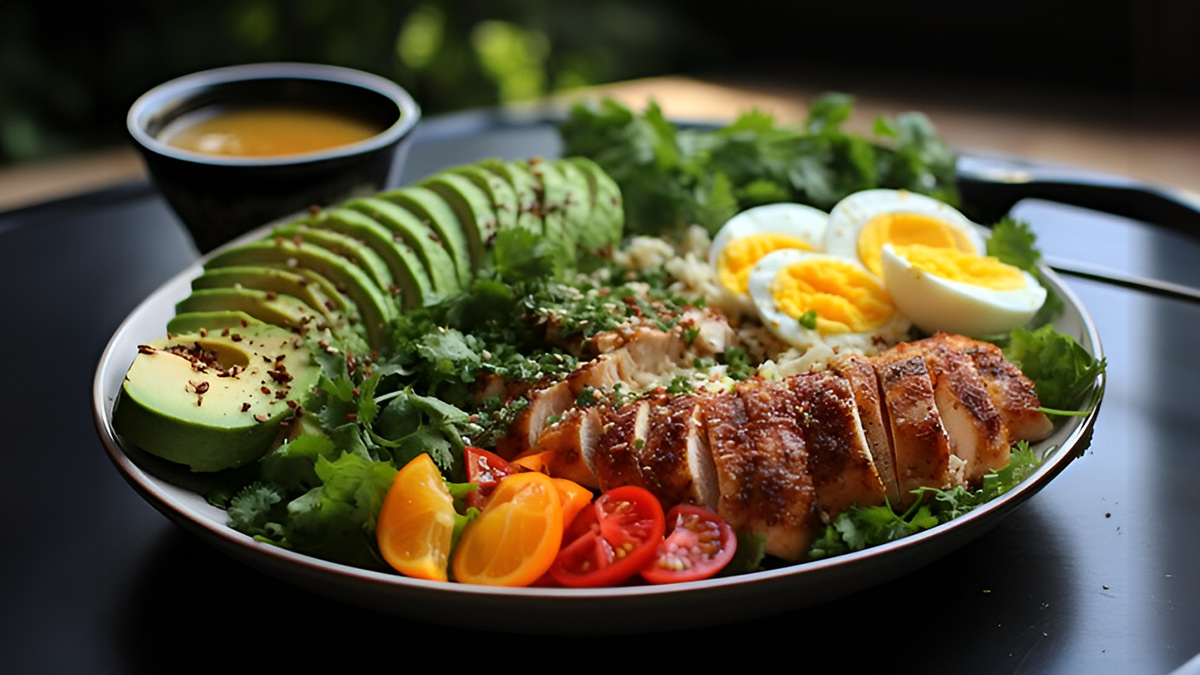
To maximise your muscle growth, the researchers suggest aiming for a target of about 0.4 grams of protein per kilogram of your body weight in each meal. For the best overall results, it adds that you spread your protein intake across at least four meals throughout the day, instead of eating them all at once.
 protein per meal 1
Tips To Safely Meet Your Daily Protein Goals
As we are already aware, too much of anything can be harmful. This holds true for your protein intake as well. Ms Raj shares two crucial points to keep in mind while trying to meet your daily protein goals safely:
- Instead of eating a large amount of protein in one meal, it is healthier to spread your intake evenly throughout the day.
- Including 20–30 grams of protein at each main meal is a practical approach for many adults. This pattern supports muscle maintenance, recovery, fullness, and overall health while making it easier to meet daily protein requirements through a balanced and varied diet.
According to the American Heart Association (AHA), here are the suggested servings of protein for each food group:
- When it comes to plant-based proteins, opt for legumes, nuts, lentils or chickpeas. For instance, legumes contain about 16 grams of protein per cup and are low in fat. It can also serve as an inexpensive alternative to meat.
- Choose low-fat or fat free dairy options, instead of full fat dairy products.
- Opt for regular intake of fish and seafood about 2 to 3 times a week, especially oily fish like salmon, anchovies, herring, mackerel, tuna, and sardines. These are high in poly-unsaturated fats.
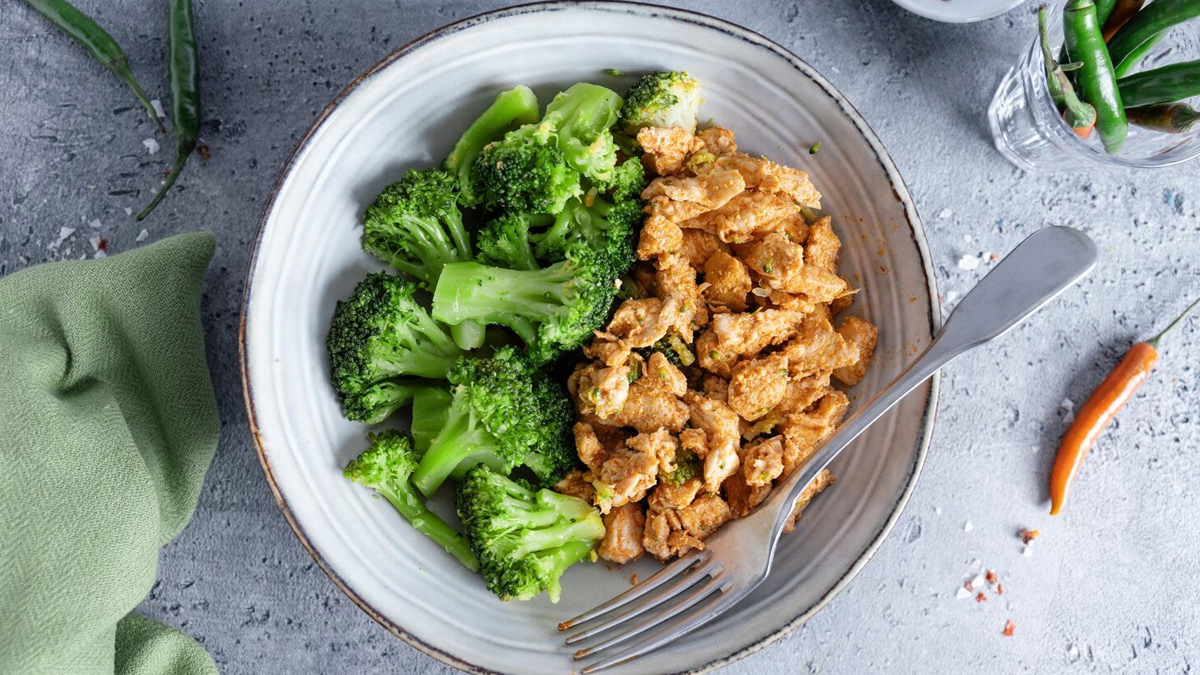
- When it comes to choosing meat or poultry, go for lean cuts, skinless poultry and avoid their processed forms.
- Eggs are a good source of protein and contain nutrients that can benefit your health.
- You can prepare meals which combine both meat and vegetables, such as low-fat soups or a stir-fry.
- Be mindful of portion size. Opt for 3-ounce servings (4 ounces raw) of cooked poultry or meat per meal.
 protein per meal 2
Conclusion
To summarise, protein intake beyond the standard 40-gram threshold is not wasted. In fact, your body uses the excess for enzymes, immune cells, and energy. To safely meet your daily nutritional goals, experts recommend spreading your protein intake evenly throughout the day, rather than eating them in one large meal. Consuming a balanced 20 to 30 grams of high-quality protein at each main meal is the most practical approach for supporting muscle maintenance and feeling full.
FAQ
Can you absorb 70g of protein in one meal?
Yes, your body can absolutely digest and absorb 70g of protein in one meal.How much protein is in 2 eggs a day?
Two large eggs provide about 12 to 14 grams of high-quality protein, with each individual egg containing roughly 6 to 7 grams.
All possible measures have been taken to ensure accuracy, reliability, timeliness and authenticity of the information; however Onlymyhealth.com does not take any liability for the same. Using any information provided by the website is solely at the viewers’ discretion. In case of any medical exigencies/ persistent health issues, we advise you to seek a qualified medical practitioner before putting to use any advice/tips given by our team or any third party in form of answers/comments on the above mentioned website.
How we keep this article up to date:
We work with experts and keep a close eye on the latest in health and wellness. Whenever there is a new research or helpful information, we update our articles with accurate and useful advice.
-
Current Version
Jul 09, 2026 12:16 IST
Modified By : Shruti Das Jul 09, 2026 12:16 IST
Published By : Shruti Das
Reviewed By : Edwina Raj