
When your blood test results show you have a high creatinine level, your first thought may be to reduce your intake of protein. It sounds like a no-brainer, as it's commonly talked about with diet and kidney health. The correlation between protein consumption and creatinine, however, is not as simple as it seems. Creatinine is the word you need to know, know where it's from, and know what really does and doesn't affect it, so you can avoid making unnecessary dietary changes that could be counterproductive.
What Is Creatinine And Where Does It Come From?
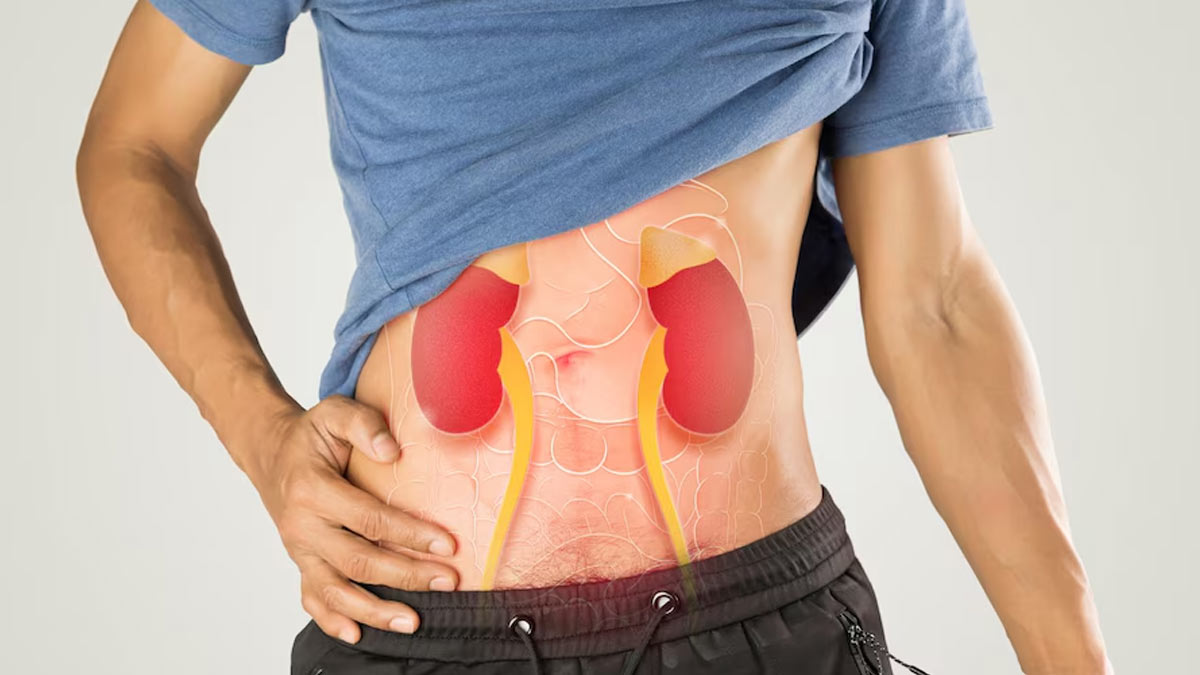
Before jumping to dietary changes, it helps to understand what creatinine actually is. Dr Topoti Mukherjee, Lead Consultant, Nephrology and Kidney Transplant, Aster Whitefield Hospital, explains: "Creatinine is a waste product that is generated when the muscles generate energy through creatine during normal everyday activities. In normal healthy kidney function, creatinine is efficiently cleared from the blood and excreted in the urine and when the kidneys don't work as well, the blood levels of creatinine rise.”
So creatinine is primarily a byproduct of muscle activity, not directly of what you eat. This is an important distinction that often gets missed.
ALSO READ- Side Effects Of High Creatinine Levels: Foods To Include In Your Diet For Effective Management
Does Eating Less Protein Actually Lower Creatinine?
This is the most important question, and the answer may come as a surprise. But Dr Mukherjee explains, "Cutting protein does not need to result in a decrease of creatinine, particularly if the primary cause is poor kidney function.”
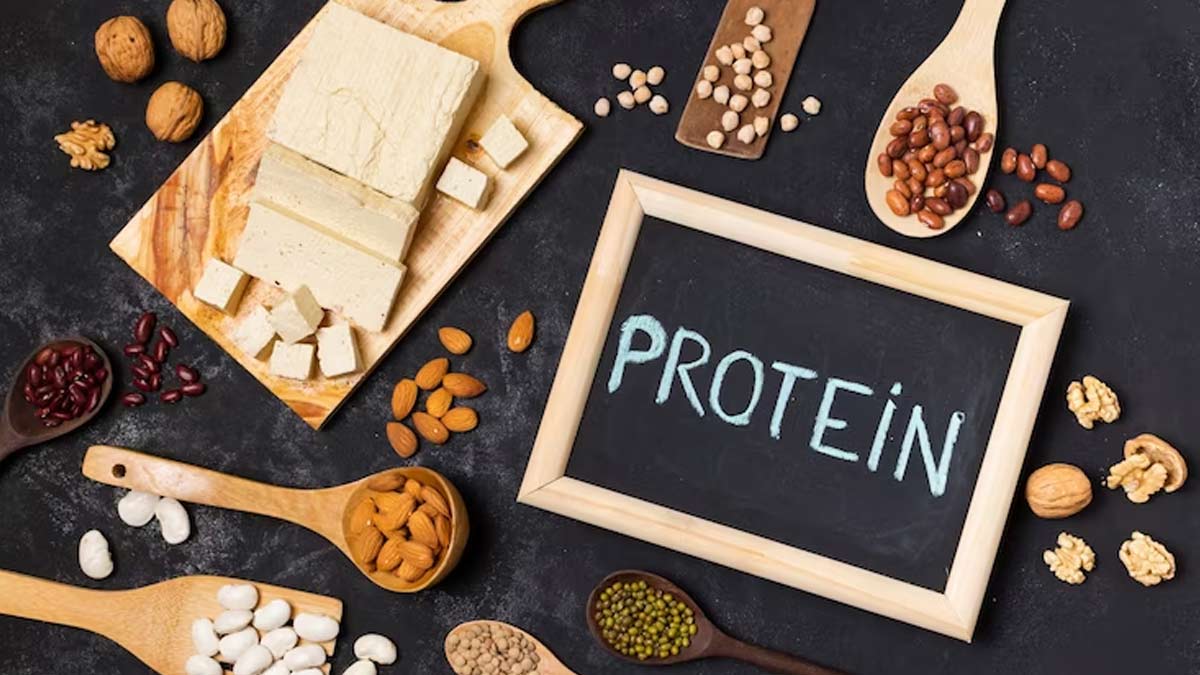
This is because the production of creatinine is related to muscle metabolism, not to dietary protein. He adds, "The body normally makes a little creatine from muscle, which is excreted in the urine as creatinine, and the level of creatinine in the blood will not change significantly, provided the kidneys are working normally, even with moderate fluctuations in protein consumption.”
Other factors that can raise creatinine levels include:
- Dehydration
- Strenuous or intense exercise
- High muscle mass
- Certain medications
- Compromised kidney function
- Simply eating less protein won't address any of these underlying causes.
A 2025 review published in the Journal of Internal Medicine found that while a low-protein diet can be beneficial for people with chronic kidney disease, simply eating less protein does not automatically lower creatinine or fix kidney function. Excessive protein puts extra pressure on the kidneys, leading to a buildup of waste products in the blood.
However, cutting protein too aggressively can cause muscle loss and malnutrition. Experts recommend a personalised protein plan based on the stage of kidney disease, rather than blanket restriction.
How Much Protein Should You Actually Be Eating?
Rather than cutting protein out of fear, the focus should be on getting the right amount for your body. Dr Mukherjee offers clear guidance: "For most healthy adults, a protein intake of around 0.8 grams per kilogram of body weight per day is sufficient. People who are physically active or involved in strength training may require 1.2 to 2.0 grams per kilogram per day, depending on their activity level and goals."
The calculation is more personalised if you have chronic kidney disease. In some cases, people with chronic kidney disease may require an individual protein intake plan with a nephrologist or dietitian, as too much protein can put more work on the kidneys at certain stages of the disease, he says.
He also highlights an important regional point: "In the Indian subcontinent, protein intake is not very high. You have to take proteins according to the body's requirements, adjusted according to exercise activity, target lean body mass, and the presence or absence of other illnesses."
Good quality protein sources to include:
- Pulses and legumes
- Dairy products
- Eggs
- Fish and lean meat and poultry
- Soy products
How To Keep Creatinine Levels In A Healthy Range
The most effective approach is to protect kidney function in the first place. Dr Mukherjee recommends a combination of lifestyle habits:
- Drink sufficient fluids all day long
- Maintain good control of diabetes and blood pressure.
- Keep a healthy weight
- Do regular exercise but not too much.
- Avoid smoking
- Only take painkillers and over-the-counter medications when necessary; some medications may impact kidney function.
ALSO READ- High Vs. Low Creatinine Levels: What Do Each Reveal And Signs To Identify Them?
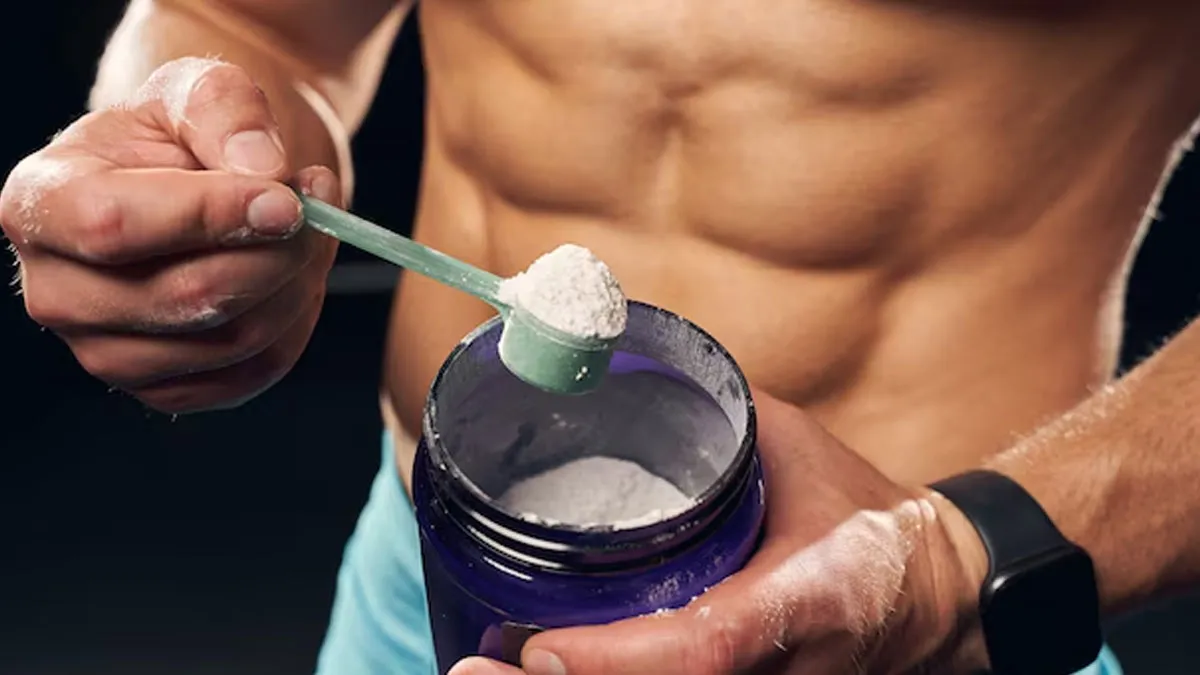
He also flags an important caution: "Avoid self-prescribing high-protein supplements or restrictive diets without medical advice, as both excessive protein intake and unnecessary protein restriction may be inappropriate depending on an individual's overall health and kidney function."
Individuals with risk factors, such as diabetes, hypertension, obesity or kidney disease in the family should have periodic checkups of kidney function. Early detection can be a huge advantage for effective management.
FAQ
1. Can cutting out protein bring creatinine levels back to normal?
Not necessarily. Reduced renal function will not be improved by reducing protein. A cause must be found, and medical supervision provided with treatment. It is possible for unnecessary protein restriction to be more of a hindrance than a help.2. What is the best approach to dealing with high creatinine?
The best way to do this is to seek advice from a nephrologist or dietitian, not self-treat. Proper hydration, controlling diabetes and blood pressure, and avoiding unnecessary medications are all very important steps. It is also highly recommended that everyone who is at risk of kidney disease get regular monitoring of kidney function.
All possible measures have been taken to ensure accuracy, reliability, timeliness and authenticity of the information; however Onlymyhealth.com does not take any liability for the same. Using any information provided by the website is solely at the viewers’ discretion. In case of any medical exigencies/ persistent health issues, we advise you to seek a qualified medical practitioner before putting to use any advice/tips given by our team or any third party in form of answers/comments on the above mentioned website.
How we keep this article up to date:
We work with experts and keep a close eye on the latest in health and wellness. Whenever there is a new research or helpful information, we update our articles with accurate and useful advice.
-
Current Version
Jul 01, 2026 16:34 IST
Modified By : Vivek Kumar Jul 01, 2026 16:34 IST
Modified By : Vivek KumarJul 01, 2026 16:34 IST
Published By : Vivek Kumar
Reviewed By : Ms Veena V