Conversations around protein intake have gained importance in the past few years. We are all aware of protein’s importance in keeping our bones, muscles, and overall health in good condition. But what is often missed is that protein intake differs based on gender and age. Did you know that women need more protein as they age, especially after they cross 40? Yes, you read that right. Today, this article will explain it to you.
To understand this better, we reached out to Ms Chitra BK, Chief of Dietetics, KIMS Hospitals, Electronic City, Bengaluru.
Why Do Women Need More Protein After Turning 40?
Ms Chitra says that as women grow past the age of 40, protein becomes very important. Explaining why, the expert says, “This is because ageing muscles begin to degenerate. Hormonal fluctuations during the perimenopausal and menopausal periods can speed up the loss of muscle mass and strength. The reduction in the levels of oestrogen could influence body composition by causing an increase in fat and a reduction in lean body mass.”
The expert continues, “For a normal, healthy woman, a good protein intake would be 1.0-1.2 g/kg/day; although some women may need a little bit higher level, like 1.2-1.6 g/kg/day, depending on their requirements. For instance, a 60-kg woman requires about 60-72 g of protein per day. Replace the consumption of a major protein source in one single meal, particularly dinner, by spreading it across all the major meals.”

Good Sources of Protein For Women
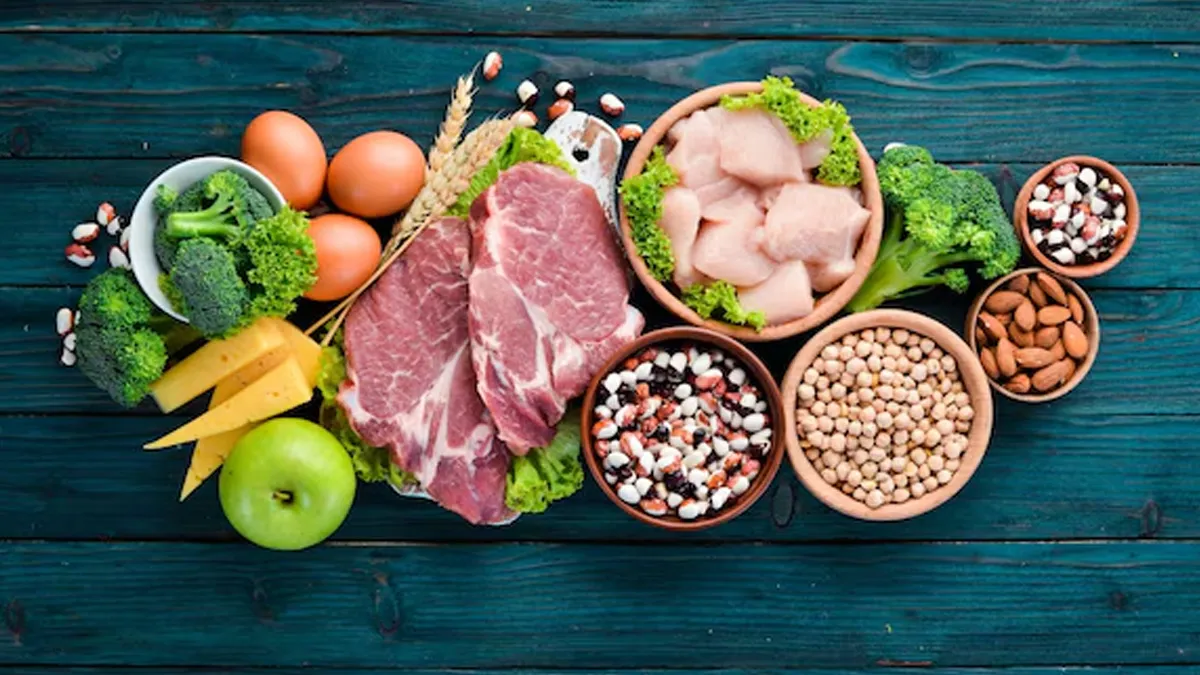
Ms Chitra says that a woman can aim to consume around 20-30 grams of protein per meal. Shedding light on its sources, the expert says, “This can be in the form of eggs, Greek yoghurt/curd, milk, paneer, tofu, soy, dal, beans, chickpeas, fish, chicken and other forms of lean meat.”
The expert shares, “Consuming a combination of cereals and pulses like dal with rice or roti is also a good idea. Women must consume sufficient protein with resistance/strength training since proteins work well in association with muscle loading. They must also take foods rich in calcium and Vitamin D, along with vegetables, fruits, whole grains, nuts, and seeds.”
“It is important to remember that the need for protein depends on an individual's condition. In case of kidney disease and other health problems, specific protein requirements must be met after consulting with a nutritionist,” adds Ms Chitra.

How Protein Impacts Women’s Health As They Age
A 2024 study, published in the journal Physiologia, sheds light on why women need to focus on dietary protein as they age. It notes that menopause is a transitory phase in women’s life that brings significant hormonal changes, affecting their overall health and well-being. During this phase, many women go through a natural decline in muscle mass, bone density, and physical strength. This loss of lean body mass can raise the risk of chronic health conditions and make daily activities more difficult as they age. To fight these physical changes, experts heavily recommend regular resistance training to help older women maintain their strength. However, exercise alone is not enough, as dietary protein also plays an important role in preserving and building essential muscle.
The study focuses on the fact that the exact daily amount, timing, and quality of protein consumed are significantly important for post-menopausal women. But the unfortunate reality is that many older women do not eat enough high-quality protein to properly fuel their bodies during this metabolic shift.
Consuming the right amount of protein, distributed evenly throughout the day, can help with muscle repair and offsets the body's natural tendency to break down muscle tissue. Moreover, pairing adequate, high-quality dietary protein with physical activity can dramatically enhance the positive effects on a woman's body composition. The study concludes that paying close attention to daily protein intake is an important, empowering strategy for women to protect their physical independence and age in a healthy manner.
ALSO READ- Are You Eating Enough Protein? 5 Unexpected Skin and Nail Changes to Watch For
Conclusion
When women cross the age of 40, it is important to prioritise protein intake. This becomes a vital step in combating the natural loss of muscle mass and strength, caused by hormonal shifts. By evenly distributing high-quality protein across all daily meals and combining it with regular resistance training, women can effectively preserve their lean body mass and bone density. To conclude, it is important to take charge of your dietary needs. If needed, consult a nutritionist for personalised advice, which can be a powerful strategy to maintain physical independence and ensure healthy ageing.
FAQ
How much protein do you need as a 40 year old woman?
Optimal protein intake for muscle health, metabolism, and hormonal changes during your 40s is closer to 0.5 to 0.8 grams per pound (1.1 to 1.6 grams per kilogram) daily.Is 2 eggs a day enough protein?
No, eating two eggs a day is not enough total protein for most adults.
All possible measures have been taken to ensure accuracy, reliability, timeliness and authenticity of the information; however Onlymyhealth.com does not take any liability for the same. Using any information provided by the website is solely at the viewers’ discretion. In case of any medical exigencies/ persistent health issues, we advise you to seek a qualified medical practitioner before putting to use any advice/tips given by our team or any third party in form of answers/comments on the above mentioned website.

How we keep this article up to date:
We work with experts and keep a close eye on the latest in health and wellness. Whenever there is a new research or helpful information, we update our articles with accurate and useful advice.
-
Current Version
Sep 15, 2026 18:43 IST
Published By : Shruti Das
Reviewed By : Ms Chitra B K