

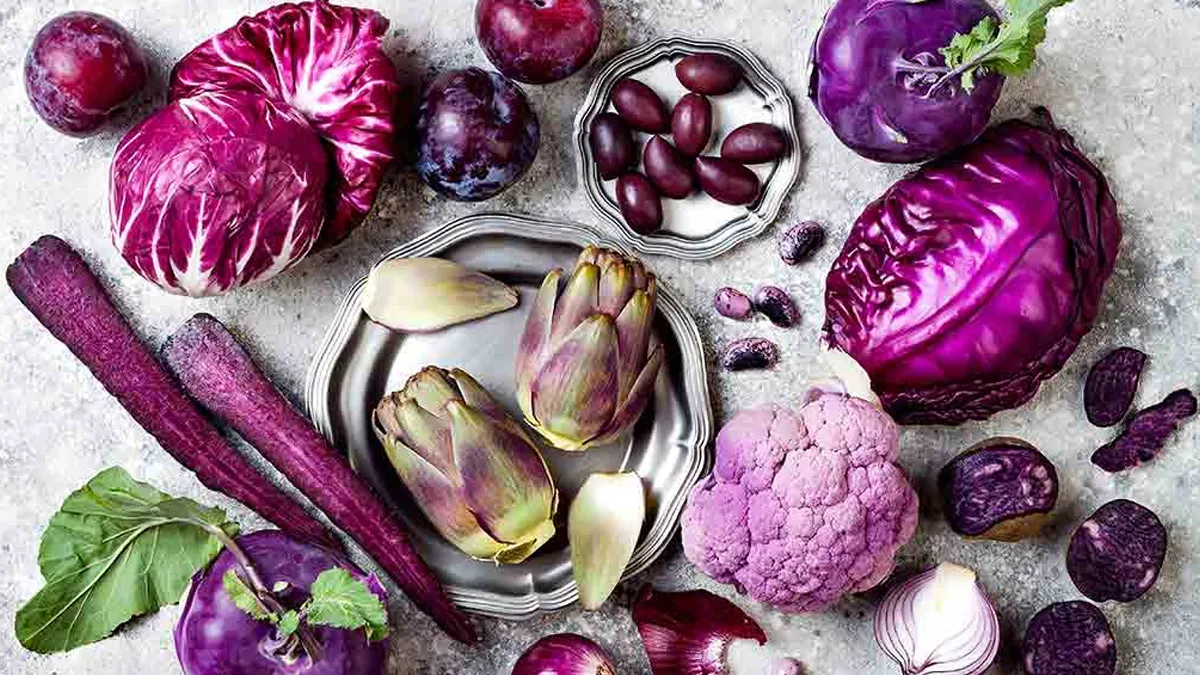
Winter brings with itself the festivities, cosy night and baking season. But it is also a time when colds, allergies and flus are on the rise. Immunity often goes for a toss during the colder months. Thus, to keep yourself healthy, you must focus on boosting your immunity. And the simplest way to do so is – with the help of a good nutrition-rich diet. Did you know that adding purple foods into your diet can help you boost your immunity? Not just this, they are perfect to add and widely available in the winter months too. Today, we are going to tell you all about purple foods, and how they can help you boost your immune system in the chilly months.
Table of Content:-
To get an expert view on this topic, the editorial team of OnlyMyHealth reached out to Dr Geetika Chopra, Celebrity Holistic Nutritionist. Read ahead.
What Are Purple Foods?
First, let us understand what purple foods are. “Purple foods are fruits and vegetables that are naturally rich in anthocyanins — plant pigments that give them their deep purple, blue or violet colour. From a nutrition science perspective, anthocyanins are strong antioxidants that protect immune cells from damage, reduce inflammation, and improve gut health. Since nearly 70% of immunity is linked to the gut, purple foods indirectly become immune armour, especially during winter when infections and inflammation increase,” explains Dr Chopra.
She adds, “As winter sets in, remember one simple rule: don’t just eat warm food, eat protective food. In my 25+ years as a clinical nutritionist, I’ve seen that people who fall sick repeatedly in winter usually don’t lack food — they lack antioxidant diversity. That’s where purple foods come in. They are one of the most powerful yet ignored categories for immunity. One hack I often share with my clients: The deeper the purple, the stronger the antioxidant power.”
8 Immunity-boosting Purple Foods For Your Winter Diet
On this note, Dr Chopra shares a list of purple foods which you must add to your winter diet for better immunity:
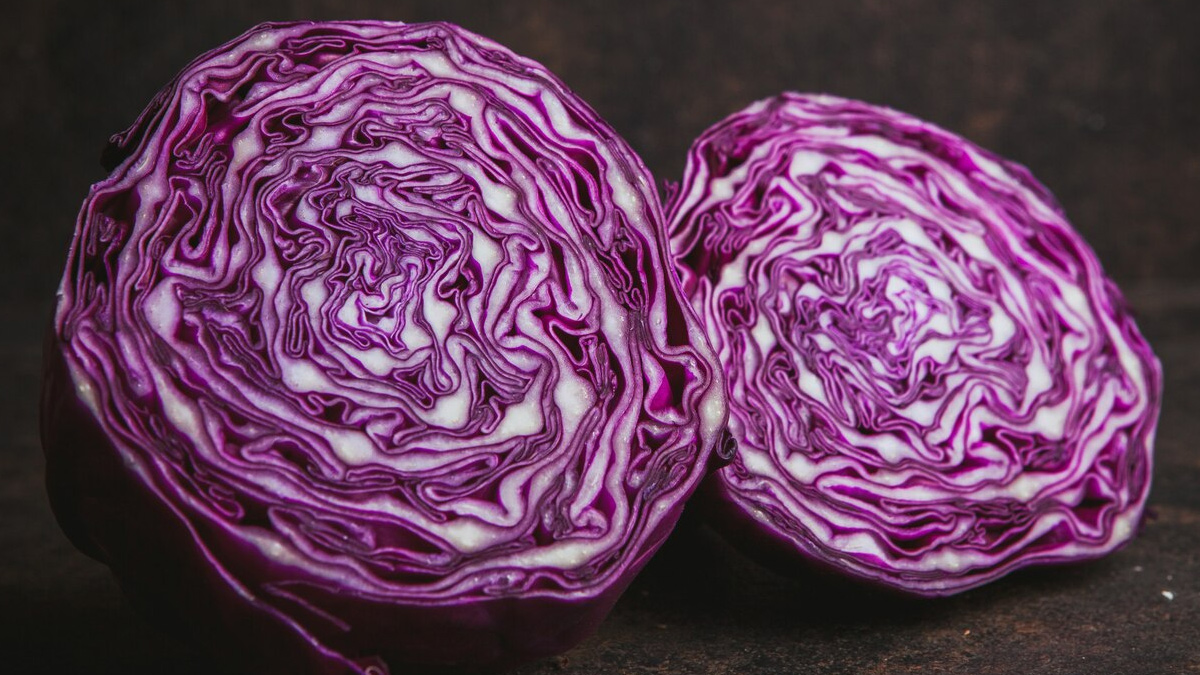
Purple Cabbage
This is a winter vegetable, which is loaded with vitamin C and gut-friendly fibre. Add it raw in salads or lightly sautéed — overcooking reduces its immunity benefits. Hack: cabbage first, carbs later for better sugar control.
Beetroot
Beetroot improves blood circulation, supports liver detoxification and oxygen delivery — all essential for a strong immune response. I often recommend it grated raw, lightly steamed, or as part of winter soups.
Black Grapes
Rich in resveratrol, black grapes protect immune cells and reduce viral inflammation. Hack: Eat them whole, not as juice, to avoid sugar spikes.
Jamun (Indian blackberry)
Though seasonal, jamun is excellent for gut balance and blood sugar control, both of which directly impact immunity. I’ve used jamun pulp and powder in many immunity-support diets for diabetic clients.
Plums
Plums help reduce oxidative stress and constipation — a factor many people ignore in winter immunity. Clean digestion equals stronger immunity.
Purple Sweet Potato
This is a double winner: fibre + antioxidants. It supports gut lining health and immune cell activity. I recommend boiling or light roasting, never deep frying.
Black Carrot (Kaali Gajar)
A traditional winter food with powerful detox and liver-supportive properties. I often encourage kanji over sugary carrot halwa for immunity.
Blueberries
One of the most antioxidant-dense fruits globally. Even a small portion daily enhances immune response and reduces winter fatigue. Hack: frozen blueberries work just as well as fresh.
Also Read: 5 Purple Foods For Healthy And Glowing Skin
Benefits Of Adding Purple Foods To Winter Diet
But why specifically winter? Let us tell you why these purple foods are a boon during the colder months.
“Purple foods work at multiple levels. They reduce chronic inflammation, support gut microbiota, protect immune cells from oxidative stress, and even improve circulation and skin health during dry winters. I’ve seen clients who add just 1–2 purple foods daily fall sick far less often during the season. These foods also support brain health and hormonal balance, which indirectly strengthens immunity. A simple rule I follow personally and recommend clinically: Your winter plate should never be beige — add colour for protection,” explains Dr Chopra.
Now, if you are wondering whether purple foods have any side effects or not, our expert clarifies.
“In normal food amounts, purple foods are extremely safe. Issues arise only when people overdo them in the form of juices, concentrates, or supplements. Excessive beetroot or blueberry juice can cause digestive discomfort or sugar imbalance in sensitive individuals. I always advise eating whole foods, not extracts, and rotating colours instead of obsessing over one item,” shares Dr Chopra.
Tips For Eating Purple Foods The Right Way
On this note, Dr Chopra shares tips to add purple foods into your diet the right way:
- Add at least one purple food to your meal daily in winter.
- Eat them whole, not juiced.
- Pair them with protein or healthy fats.
- Don’t overcook — light cooking preserves antioxidants.
- Rotate varieties for maximum benefit.
“In my clinical experience, immunity is never built by one ‘superfood’ — it’s built by consistent, colourful, intelligent eating. Purple foods are quiet performers. They don’t scream on social media, but inside the body, they work relentlessly to protect, heal, and strengthen your immune system during winter,” concludes Dr Chopra.
Also Read: 9 Reasons Why You Should Add Strawberries To Your Winter Diet
The Final Word
Purple foods are fruits and vegetables that are naturally rich in anthocyanins — plant pigments that give them their deep purple, blue or violet colour. Anthocyanins are strong antioxidants that protect immune cells from damage, reduce inflammation, and improve gut health.
Also watch this video
FAQ
What are purple foods?
Purple foods include fruits like blackberries and plums, vegetables such as eggplant, purple cauliflower, and purple carrots, and grains like forbidden rice.Why are some foods purple?
The purple colour which occurs naturally in some foods is a result of the presence of anthocyanins.
How we keep this article up to date:
We work with experts and keep a close eye on the latest in health and wellness. Whenever there is a new research or helpful information, we update our articles with accurate and useful advice.
Current Version
Dec 05, 2025 14:18 IST
Published By : Shruti Das