

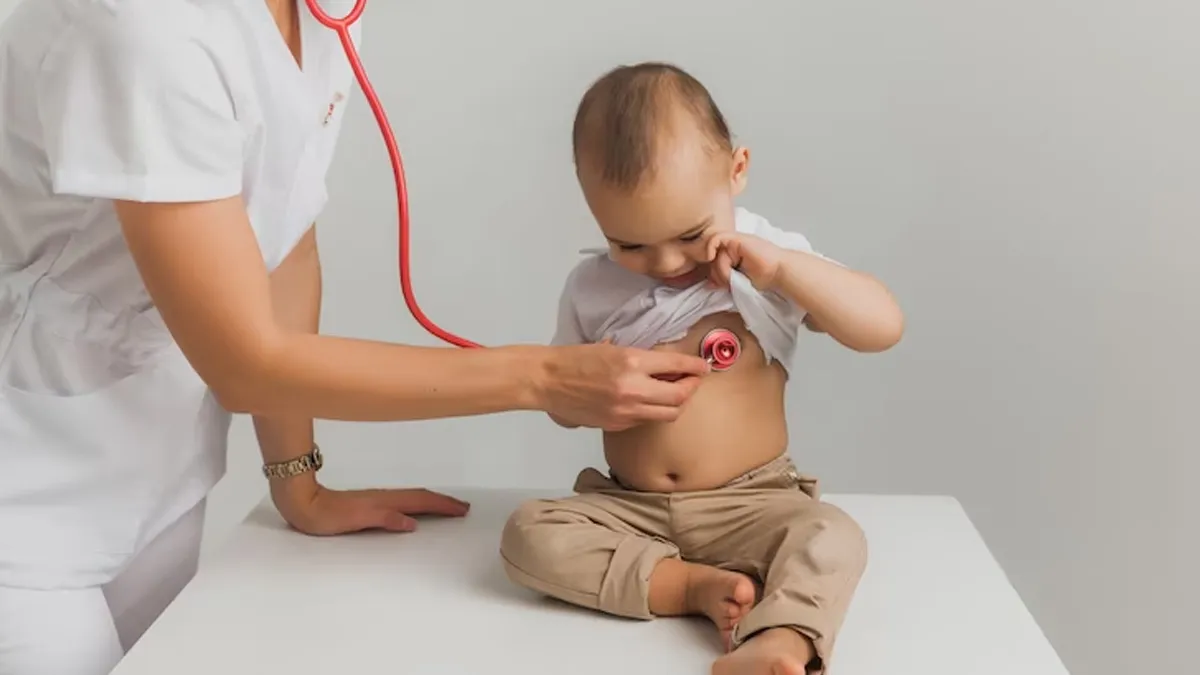
Paediatric pneumonia still ranks among one of the major causes for illnesses in children around the world. Though the disease is easily curable, overlooking the symptoms or inefficient treatment may convert this most common disease into a major health hazard for the young ones. According to experts, awareness is the most potent weapon that parents have to shield their children.
Table of Content:-
In an exclusive interaction with the editorial team of Onlymyhealth, Dr Yogesh Kumar Gupta, Consultant, Paediatrics, Fortis Hospital, Bannerghatta Road, Bengaluru, explained that paediatric pneumonia refers to a common, potentially serious infection of the lungs occurring in children particularly below the age of five years. “Early intervention can help prevent complications,” he added.
Things Every Parent Should Know About Paediatric Pneumonia
According to Dr Gupta, here are the seven most important things parents need to know about paediatric pneumonia.
1. It ’s More Common Than You Think
Pneumonia can occur in children of all ages but tends to affect more infants and children below the age of five years more easily. This is because their immune systems are still developing, which makes it difficult for them to fight off the infections. In addition, seasonal changes, exposure to respiratory viruses, and conditions such as daycare centers can predispose them to pneumonia.
ALSO READ- Why Respiratory Infections Are Lasting Longer In Children In Recent Times
2. Causes Are Not the Same for EveryChild
Pneumonia in children can result from a virus, bacteria, or, in some cases, fungus. While the common cold or flu typically causes cases of viral pneumonia in children, cases of bacterial pneumonia can be severe and, therefore, often demand hospitalisation.
3. Symptoms Can Be Subtle in Early Stages
Some parents think that pneumonia is just about fever and cough, but that is not the case. Dr Gupta noted, "If the child is showing rapid or difficulty breathing, retraction of the chest when she/he breathes in, wheezing, difficulty in feeding, unconsolable sleepiness, or just inability to respond to her surroundings, then pneumonia may be suspected.” Additionally studies suggest that if the lips or tips of the fingers appear blue, then the child is not getting enough oxygen and they will need to visit a health care provider right away.
4. Early Diagnosis Can Prevent Complications
Failure to seek paediatric pneumonia treatment may result in respiratory problems, dehydration, and the need for hospitalisation. When the symptoms continue to get worse within the given 24 to 48 hours, Dr Gupta advised that the parent take the child for medical attention. Early diagnosis gives the doctor the chance to analyse the problem and treat it effectively.
ALSO READ- Stranger Anxiety in Children: Expert Shares Causes, and Confidence-Building Strategies
5. Vaccination Is a Powerful Shield
Vaccines also have an important role in the prevention of paediatric pneumonia. Immunisations against pneumococcal diseases, Haemophilus influenzae type b, measles, and influenza are proven ways of preventing serious episodes of pneumonia in children. Making sure that a child has had all the necessary vaccinations can be one of the most effective ways of prevention available to parents.
6. Antibiotics Are Not Always Required
Not all pneumonia needs treatment with antibiotics. Also, antibiotics are only effective on bacterial infections and not effective on viral pneumonia. Here is what Dr Gupta pointed out:
- Viral infections can resolve with plenty of fluids, rest, and observation.
- Overuse of antibiotics is a cause of drug resistance.
7. Recovery Takes Patience and Care
Even with treatment, symptoms such as coughing and weakness can persist for few weeks. Nutrition, hydration, and follow-up care are essential in aiding complete recovery. “It is important for parents to be careful not to send kids back to school too soon and keep on monitoring,” he concluded.
Bottomline
Paediatric pneumonia remains both very common and well manageable. Seeking early medical care, complete vaccination, and appropriate home surveillance are essential to successfully prevent potential complications.
Also watch this video
FAQ
1. When should I take my child to the hospital for pneumonia?
If your child has fast or difficult breathing, persistent fever, poor feeding, extreme lethargy, or bluish lips, seek medical care immediately.2. Can pneumonia pass from one child to another?
Pneumonia can be caused by some germs that can be transmitted through coughs and sneezes, especially in crowded environments like schools and day cares.3. How long does it take for a child to completely recover from pneumonia?
Usually, children start getting better in a week; however, a cough and feeling tired can persist for a couple of weeks.
How we keep this article up to date:
We work with experts and keep a close eye on the latest in health and wellness. Whenever there is a new research or helpful information, we update our articles with accurate and useful advice.
Current Version
Dec 23, 2025 12:40 IST
Published By : Tanya Srivastava