

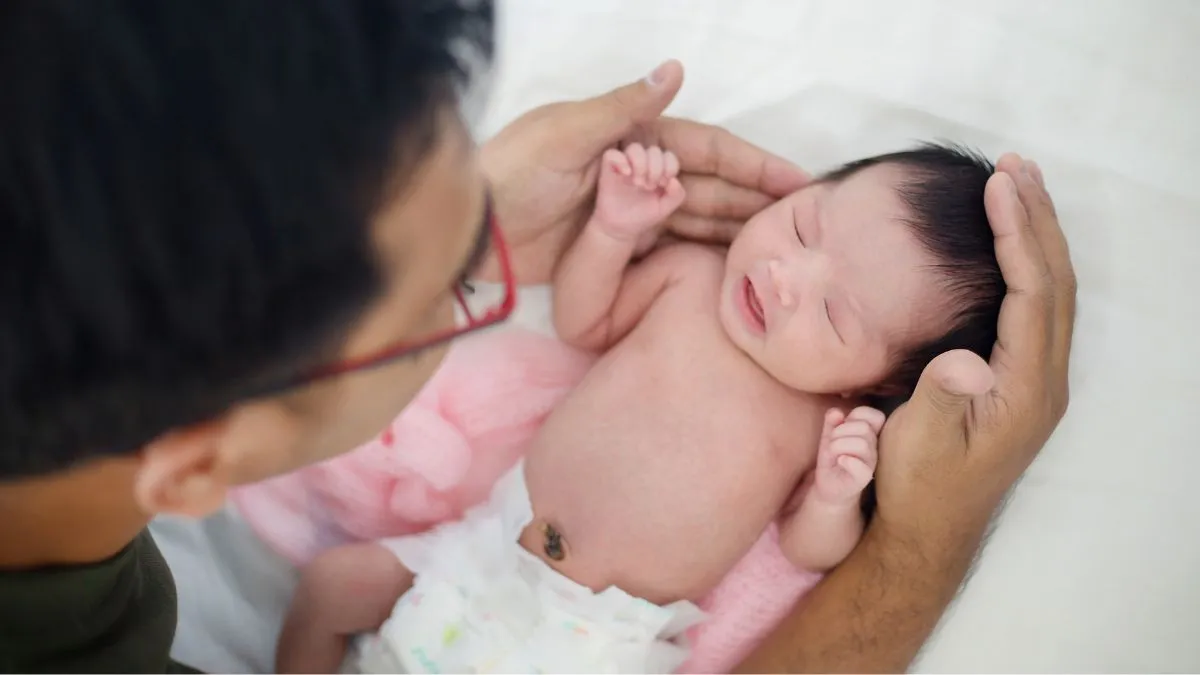
Bringing the newborn home is such a special and emotional experience for parents, and yet with it come some unexpected challenges. One concern is Newborn Respiratory Distress Syndrome, wherein the breathing of a baby is improper. Though this condition is more common in premature babies, under certain conditions, it can be seen in full-term babies as well. Understanding the condition, warning signals, risk factors, and different forms of treatment will help parents seek timely medical intervention and, thus, better outcomes.
Table of Content:-
What is Neonatal Respiratory Distress Syndrome?
Dr Gaurav Agarwal, Fellowship in Neonatal Perinatal Medicine (RCPSC- Canada), Consultant Neonatologist, Kailash hospital, Greater Noida explains, “Neonatal RDS is a respiratory disease caused by the underdeveloped or immature lungs of a baby. One of the most important substances that help in the normal functioning of the lungs is surfactant, a natural chemical responsible for keeping the tiny air sacs of the lungs open. Most premature babies have minimal amounts of this substance, so their lungs collapse, making them start breathing shallowly. This condition may appear in the first hours after birth, and when not treated immediately through medical intervention,it can get worse.”
Factors Behind Respiratory Distress Syndrome
The major cause of RDS is preterm delivery since maturation of the lungs happens rather late in pregnancy. Infants born before 37 weeks may not have enough surfactant to breathe properly. Other factors may increase the risk, including maternal diabetes, which can delay lung maturity, and multiple births, such as twins and triplets. Birth complications may also serve as triggers for respiratory problems, including a lack of oxygen, or perinatal asphyxia, and infections. These risk factors point to good prenatal care and close monitoring during pregnancy.
ALSO READ- Why Respiratory Infections Are Lasting Longer In Children In Recent Times
Warning Signs to Watch For
The early signs of RDS according to Dr Agarwal are:
- rapid or labored breathing
- grunting during exhalation
- nasal flaring
- retractions where the skin pulls in between the ribs or under the breastbone.
Parents should be aware of these early signs of RDS. Cyanosis involves the skin and lips appearing bluish due to low levels of oxygen; lethargy or irregular breathing may indicate very serious distress. Symptoms usually appear shortly after birth, and early recognition may be lifesaving.
Diagnosis of Respiratory Distress Syndrome in Newborns
“Neonatologists usually diagnose the condition by conducting a clinically bedside physical examination, monitoring the respiratory rate, grading the severity of respiratory distress and assessing the oxygen saturation level,” shares Dr Agarwal.
“Other investigations include chest X-ray, which may reveal underdeveloped or collapsed lungs, and blood gas tests to confirm the level of oxygen as well as carbon dioxide. An echocardiogram may be recommended in order to rule out heart related respiratory problems. Accurate diagnosis at the correct time helps the medical team to provide timely and appropriate treatment to the patient,” he adds.
ALSO READ- How to Spot Early Signs of Newborn Infection and When to See a Doctor
Treatment and Management
RDS is treatable, and with proper care, most babies recover.
- Prenatal measures include steroid injections for mothers at risk of preterm birth, which help in the maturation process of the lungs of the baby.
- After birth, treatment aims to support breathing and oxygenation; hence, it includes respiratory support devices like Continuous Positive Airway Pressure (CPAP) & humidified high flow nasal canula (HFNC) therapy as both keep airways open.
- Surfactant replacement therapy, given right into the lungs to improve their function, is also part of the course of treatment for worsening babies with moderate to severe RDS .
- In severe cases, mechanical ventilation may be required, along with supportive care like parenteral or enteral nutrition, fluid management, and close vital signs monitoring.
- If infection is suspected, antibiotics can be added.
How to Reduce the Risk of Respiratory Distress Syndrome in Babies?
Although it is impossible to prevent RDS from occurring in every case, certain measures can minimize the risk. Dr Agarwal has listed down some measures including:
- Regular prenatal checkups monitor the growth of the baby and allow for early management of maternal conditions, such as diabetes.
- Corticosteroids, if given to a pregnant woman well in advance of an anticipated premature delivery, accelerate lung development.
- It is also important to avoid elective early deliveries unless medically necessary to give more time for the lungs to mature and thereby lessen the chances of respiratory distress.
ALSO READ- Skin-to-Skin Contact Like Kangaroos Shown to Boost Brain Development in Very Preterm Babies - Study
Future Care and Monitoring
“Most babies with RDS recover with timely treatment. Extremely premature babies may have lingering problems, such as BPD, a chronic lung disease, or developmental delays and may require continued assistance,” shares Dr Agarwal.
Regular follow-ups with a neonatologist will monitor growth and lung function for complications arising to be treated early on. The newborn should receive immediate medical intervention if rapid breathing, grunting, retractions, or a bluish color manifests.
It goes without saying that good prenatal care, proper monitoring of high-risk pregnancies, and paying attention to every word of advice given by the doctors can go a long way in preventing RDS and ensuring the best outcomes for the newborn.
Final Word
Newborn respiratory distress syndrome can be alarming; it is highly manageable with advances in neonatal care. Symptom awareness and understanding of risk factors are important in seeking timely care. Indeed, most babies with RDS will go on to lead healthy lives with proper treatment and support.
Also watch this video
FAQ
What causes respiratory distress syndrome in newborns?
RDS is mainly caused in babies born prematurely due to underdeveloped lungs. Other factors include c-section delivery, gestational diabetes, multiple births, infections and complications during delivery.What is the survival rate for RDS?
With advancements in treatment of RDS in newborns, the mortality rate has dropped to 2%.Can a baby recover from RDS?
Yes, with timely and proper treatment, babies can fully recover from RDS.
How we keep this article up to date:
We work with experts and keep a close eye on the latest in health and wellness. Whenever there is a new research or helpful information, we update our articles with accurate and useful advice.
Current Version
Dec 19, 2025 14:45 IST
Published By : Chanchal Sengar