


There has been a rise in infections, in both adults and children, post Covid-19 pandemic. Adults are equipped to handle them somewhat better, but for kids – these infections often seem like a battle to recover from. More so, if it is a respiratory infection. These days respiratory infections are lasting longer in children. Have you wondered why? Let us answer this for you.
Table of Content:-
To get a better understanding of this, we interacted with Dr Parimala V Thirumalesh, Sr Consultant - Neonatology & Paediatrics, Aster CMI Hospital, Bangalore and Dr Ravi Malik, MBBS, MD (Paediatrics), MAMC, Founder & Medical Director, Malik Radix Healthcare (MRHC).
Why Respiratory Infections Are Lasting Longer In Kids?
Let us begin by addressing the main question – why are respiratory infections in children taking longer to heal these days? Dr Malik answers, “This is mostly attributable to the ‘immunity gap’ or ‘immune debt’ – a concept that explains the reduced exposure to common pathogens during the Covid-19 pandemic period, co-infections with multiple viruses, impure air, and a large number of people in the community without immunity.” On this note, the expert lists down the key factors behind this:
- Immunity Gap/Debt.
- Co-infections.
- Novel or resurgent pathogens.
- Environmental factors.
- Underlying health conditions.
- Disruptions to health services.
- Post-viral effects.
Dr Thirumalesh adds to this and says, “Kids also spend more time indoors – in schools, day-care centres, and closed spaces, where germs spread easily. Pollution, dust, and poor air quality weaken the lungs and make infections harder to clear. Reduced outdoor playtime means children get less fresh air and sunlight, which affects immunity. Some kids also recover slowly because they do not drink enough water or eat enough nutritious food. Because of these reasons, infections seem to last longer, and parents should consult a doctor if symptoms continue.”
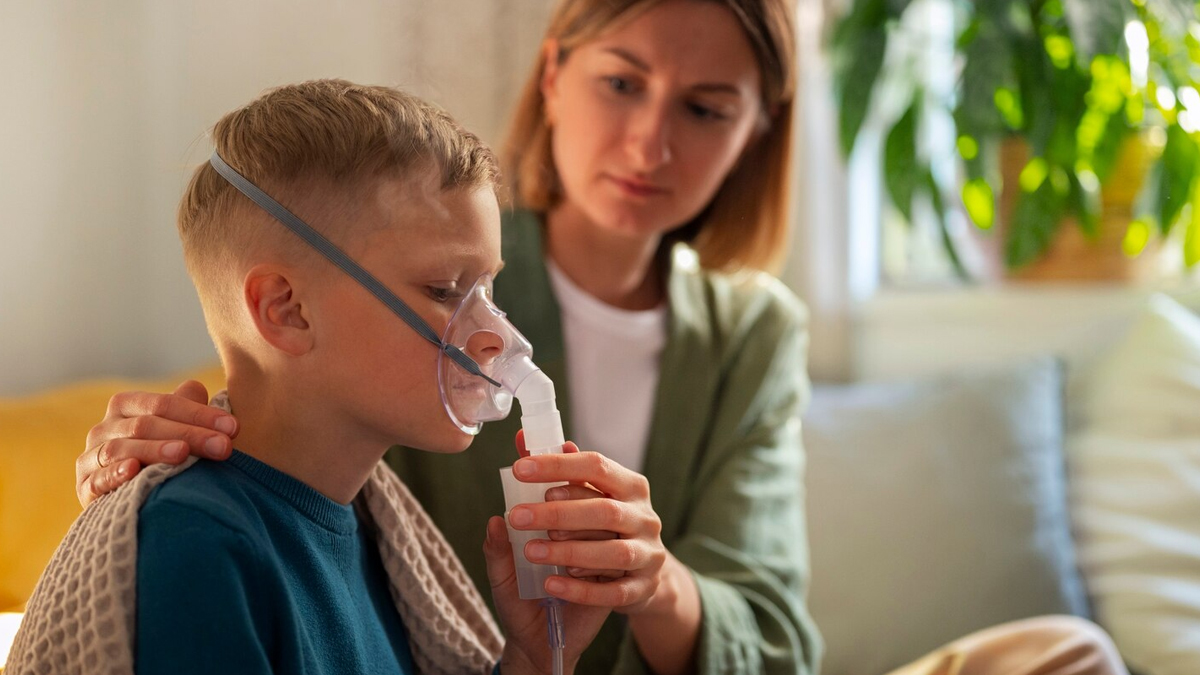
Normal Duration Of Respiratory Infections In Kids
How will you know when a respiratory infection in your children is lasting longer than usual? “Respiratory infections in kids can last anywhere from a few days to two weeks, and the time depends on the type of infection and the child’s immunity. A simple cold usually improves in 5–7 days, but cough and mucus can continue for 10–14 days,” answers Dr Thirumalesh.
She continues, “Viral infections like the flu can last longer, sometimes up to two weeks, because the body needs more time to fight the virus. If the infection is stronger or if the child has allergies or weak immunity, symptoms may stay longer. Most children recover with rest, fluids, and good nutrition. However, if fever lasts more than three days, breathing becomes difficult, or symptoms worsen, a doctor should be consulted.”
Is Respiratory Illness Worse In Children Than Adults?
Dr Thirumalesh shares that respiratory illness is often worse in children because their immune system is still growing and cannot fight viruses and bacteria as strongly as adults. “Their airways are smaller, so swelling and mucus can block breathing more easily. Children also touch many surfaces, share toys, and stay close to each other in schools or day-care, which helps infections spread quickly,” she explains, adding: “They may not wash their hands properly or cover their mouth while coughing, making them more likely to catch germs. Pollution, dust, and low immunity from poor sleep or nutrition can also make symptoms worse. Because their bodies react more strongly to infections, children may develop fever, cough, or breathing trouble faster, and may need medical attention sooner.”
Now, if you are wondering what is the most common respiratory infection in children, our expert answers this for you as well.
“The most common respiratory infection in children is the common cold, and it is caused by many types of viruses that spread easily in schools, homes, and playgrounds. Kids catch colds more often because their immune system is still developing and cannot fight germs quickly. A cold usually starts with a runny nose, sneezing, mild fever, and cough, and these symptoms can last for 5–10 days. Young children may also get other common infections like RSV, flu, or bronchitis, but the common cold remains the most frequent,” shares Dr Thirumalesh.
Can Air Pollution Worsen Respiratory Infections In Kids?
Metropolitan cities like Delhi, Mumbai and Kolkata have been battling air pollution for quite some time now. In the capital city, the air has turned hazardous, with some places recording AQI above 400. The air pollution not only harms the health of adults, but that of kids too.
“Pollution can worsen respiratory infections in kids, and this happens because polluted air irritates their small and sensitive airways. Dust, smoke, and harmful chemicals in the air make the lungs inflamed, which makes cough, cold, and breathing problems last longer. When a child is already sick, pollution weakens the body’s ability to fight the infection, so recovery becomes slow,” says Dr Thirumalesh.

She adds, “Polluted air also increases mucus formation, which blocks breathing and causes more coughing. Children who live or study near traffic, construction, or industrial areas may get infections more often. Poor air quality can trigger asthma symptoms in kids with allergies. Because of these reasons, keeping children indoors on high-pollution days and using masks or air purifiers can help protect them.”
Tips For Kids To Recover From Respiratory Infections
On this note, Dr Thirumalesh shares that the fastest way to help kids recover from respiratory infections are as follows:
- Support their body with rest, fluids, and proper care, because medicines alone cannot cure most viral infections.
- Giving warm fluids like warm water, soups, and homemade broths helps loosen mucus and makes breathing easier.
- A doctor-recommended saline nasal spray or steam inhalation can reduce congestion.
- Keeping the child well-rested allows the immune system to fight the infection faster.
- A simple, nutritious diet with fruits and vegetables helps improve strength.
- Avoiding cold drinks, junk food, and dusty environments also helps recovery.
- When To Worry?
- Respiratory infections can turn fatal at times. But how can parents differentiate a normal to a serious infection? Dr Thirumalesh jots down some worrisome symptoms of respiratory infections to look out for in a child:
- You should worry about a child’s breathing when you see signs that they are struggling to get enough air, and these signs can appear suddenly or slowly.
- If the child is breathing very fast, using extra chest or belly muscles, or you notice their ribs pulling in with each breath, it is a warning sign.
- If their nostrils flare wide or they make grunting or wheezing sounds, they may not be able to breathe comfortably.
- A child who is unusually sleepy, restless, or unable to speak in full sentences needs quick help. Bluish lips or fingertips are an emergency sign.
- If fever stays high, cough worsens, or the child looks tired and breathless, you should contact a doctor immediately.
“If fever continues for more than three days, breathing becomes hard, or the child looks weak, a doctor should check for bacterial infection or complications,” concludes the expert.
Also Read: Study Shows Global Hypertensɨon Boom In Children – Expert Decodes
The Final Word
Respiratory illness is often worse in children because their immune system is still growing and cannot fight viruses and bacteria as strongly as adults.Most children recover with rest, fluids, and good nutrition. However, if fever lasts more than three days, breathing becomes difficult, or symptoms worsen, a doctor should be consulted.
Also watch this video
FAQ
What are the common respiratory infections in children?
They include rhinitis (common cold), sinusitis, ear infections, acute pharyngitis or tonsillopharyngitis, epiglottitis, and laryngitis.Which is the most common infection of a child's respiratory tract?
The most common respiratory infection in children, especially infants, is bronchiolitis.How to cure respiratory infection in children?
Treatment for a respiratory tract infection (RTI) will depend on the cause of your infection.
How we keep this article up to date:
We work with experts and keep a close eye on the latest in health and wellness. Whenever there is a new research or helpful information, we update our articles with accurate and useful advice.
Current Version
Dec 16, 2025 19:12 IST
Published By : Shruti Das