

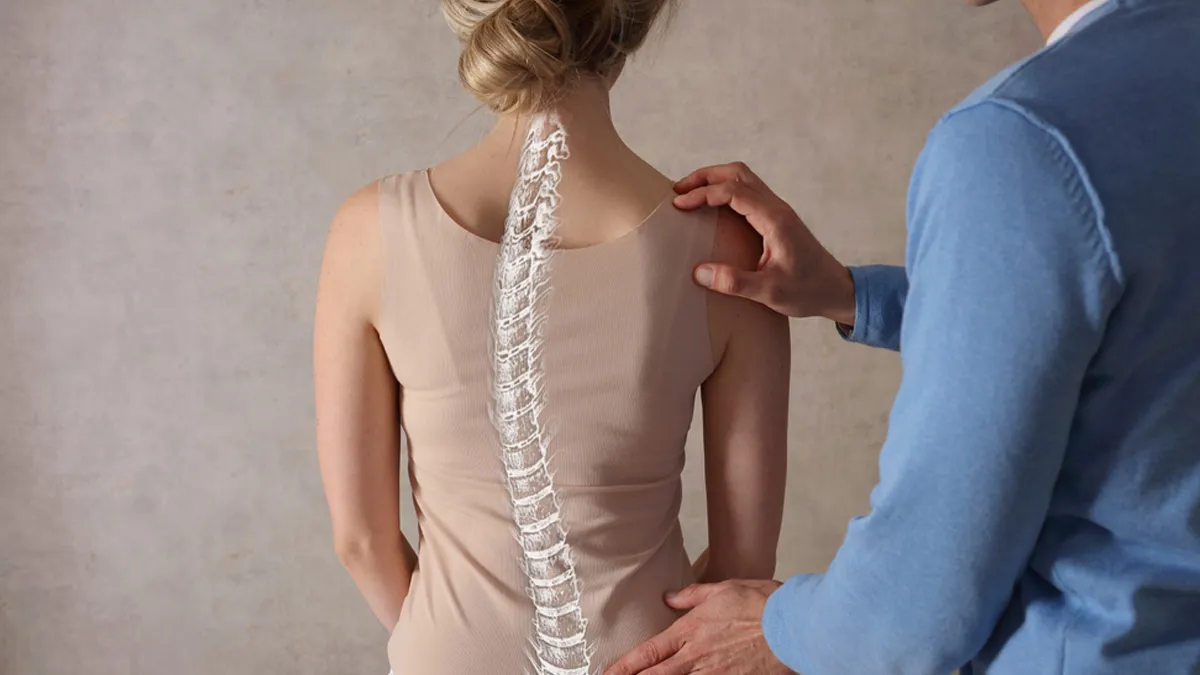
The teenagers today might be the most digitally connected generation, but little do they know that their bodies are silently paying the price. From online classes to endless scrolling, young people spend hours daily bent over screens, and experts share that the impact is showing up in their bones, joints, and muscles far sooner than expected. What was once primarily an adult problem has now become a worrying trend among school-going kids and teens.
Table of Content:-
According to Dr Hitesh Joshi, Orthopedics and Joint Replacement, CK Birla Hospital, Jaipur, this rise in orthopedic problems isn't just a trend, but a fast-growing health concern. Here is everything he shared with us.
“Today we're seeing a worrisome increase in orthopedic problems among teenagers, not because of sports, but because of prolonged hours hooked over smartphones and laptops. Poor posture, hunching, and repeated sitting can strain the spine, neck, and shoulders at that tender age when bones and posture are still developing. If this continues, it may result in chronic back pain, spinal misalignment, or early degenerative changes. We suggest parents and teens apply proper ergonomics, take regular posture breaks, and incorporate stretching or strengthening exercises. Timely prevention can save a lifetime of musculoskeletal problems,” he explained in detail.
ALSO READ- Children Getting Smartphones Before Age 13 Face Higher Mental Health Risks: Study

How Screen Posture Reshape Teen Bones
Teens these days often sit for long periods curled over devices, creating what experts now call tech-neck posture. This forward-head position may feel harmless at the moment, but it dramatically increases pressure on the cervical spine.
Dr Joshi explains that young vertebrae are being forced to bear a weight load four to six times higher because of this posture. That pattern is now seen even in kids aged 11 and 12. Over time, this strain doesn’t just cause momentary discomfort, it subtly alters musculoskeletal development.
Long hours of sitting also contribute to weakened core muscles and tightened hip flexors. This kind of imbalance puts greater stress on the lower back, increasing the risk for chronic pain as teens grow.
What Happens Other Than Back Pain
Orthopaedic issues in teenagers today are not restricted to only posture and alignment of the spine. A lot of them complain of:
- Wrist pain and thumb strain from constant mobile use.
- Early symptoms of carpal tunnel syndrome.
- Awkward viewing angles that can cause eye strain and headaches.
- Chronic stiffness of the upper back
- Shoulder tightness and reduced flexibility
Poor posture can even interfere with the spine's natural curvature during those growth-spurt years, putting teenagers at risk of early disc problems as adults. “What seems like a harmless slouch can gradually become a lifelong musculoskeletal problem if not corrected early,” he added.
ALSO READ- Why Do Notification Bells Make Us Feel Anxious? We Asked An Expert

Effective Prevention Tips for Orthopedic Issues Among Teenagers
While the rise in orthopedic issues does sound alarming, most of these problems are highly preventable. According to Dr Joshi, a few consistent lifestyle changes can significantly reduce strain on growing bones and muscles. Here's what he recommended:
- Follow the 20-20-20 rule: Every 20 minutes, stand up, stretch, and reset your posture.
- Keep screens at eye level: Whether it's a phone, tablet, or laptop, avoid bending the neck downward.
- Use supportive chairs: Ergonomic seating allows for natural spinal alignment.
- Avoid studying or scrolling in a lying-down position; this creates poor angles and extra neck load.
- Stretch daily: Simple movements for the chest, shoulders, hips, and neck can undo hours of sitting.
- Encourage physical activity: Sports, outdoor playing, or brisk walks can be very helpful in improving posture and balance.
- Strengthen the back and shoulders: Yoga, Pilates, and resistance training are important to maintain posture stability.
- Reduce unnecessary screen time: Especially before bed or during extended study hours.
"Early intervention not only relieves present discomfort but also protects teenagers from long-term orthopedic complications that could otherwise impact their adult life," Dr. Joshi emphasised.
Bottomline
Today's teen posture habits are setting up their adult musculoskeletal health for tomorrow. It is possible for teenagers to grow through the digital age without compromising bones or joints with mindful habits, timely corrections, and supportive environments at home and school.
Also watch this video
FAQ
1. Why are more teens experiencing orthopedic issues today?
It is because they spend long hours hunched over screens, which strains the spine, neck, and shoulders during critical developmental years.2. Does poor posture in teenage years permanently affect the spine?
Yes, it can disrupt natural spinal curvature, increase the risk of early disc problems, and contribute to chronic pain in adulthood.3. What are the easiest habits to fix screen posture?
Keeping the screen at eye level, posture breaks every 20 minutes, daily stretching, and not lying down while using any device can make a big difference.
How we keep this article up to date:
We work with experts and keep a close eye on the latest in health and wellness. Whenever there is a new research or helpful information, we update our articles with accurate and useful advice.
Current Version
Dec 05, 2025 16:27 IST
Modified By : Tanya SrivastavaDec 05, 2025 15:39 IST
Published By : Tanya Srivastava