

The air quality in Delhi still remains under the ‘very poor’ category. And with winters making its way, the air pollution is likely to worsen. Amid this scenario, one of the best preventive measures one can take is to wear a mask whenever they step outside their homes. But nowadays, there are too many options for masks – N95, N99 and surgical masks. Some people ditch all these and opt for clothes to cover their mouth and nose. But which mask is the best when it comes to giving the best protection from the toxic air? Today, we will answer this for you.
Table of Content:-
To get an expert view on this, the editorial team of OnlyMyHealth reached out to Dr Basavaraj S Kumbar, Consultant - Internal medicine, Aster Whitefield Hospital. Keep reading.
Which Is The Best Mask For Air Pollution?
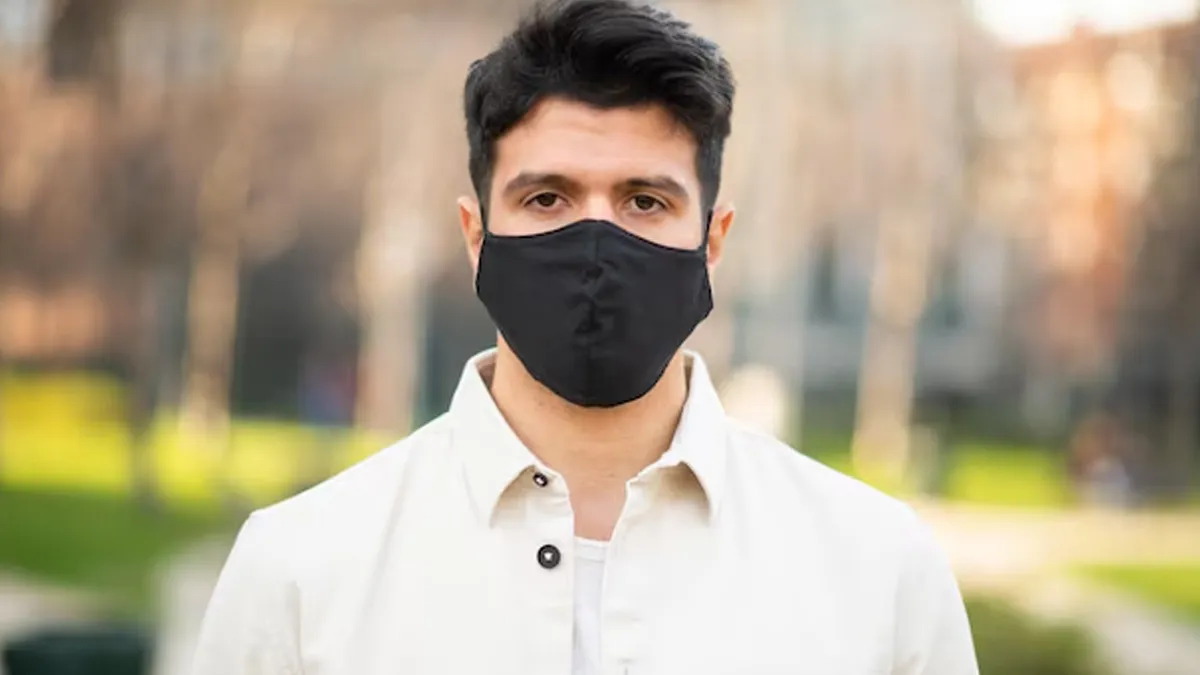
Let us straightaway get to the point. Masks for air pollution should be chosen based on their filtration efficiency. Dr Kumbar explains, “The least effective are cloth masks since they provide minimal filtration and are unable to trap small particles such as PM2.5 or PM10. While they may filter visible dust, they offer virtually no protection against unhealthy pollutants.”
He adds, “Surgical masks are mainly the source of the solution for droplet transmission in hospitals. Also, they are loosely fitted and might obstruct bigger particles; however, since they do not close tightly, polluted air can get into the mask from the sides. They give slight protection, but are not safe to use for fighting against fine particulate matter.”

So, which mask is the best? Our expert answers.
“N95 masks are praised as the best and most reasonable option of the daily protective equipment. They filter no less than 95% of the particles present in the air, which include PM2.5, bacteria, and some aerosols. Besides, their design ensures a tight seal, which makes air leakage almost impossible. Thus, the level of protection is significantly increased in a polluted environment,” explains the expert.
But what about N99 masks? “While N99 masks are capable of filtering 99% of particulate matter, thus being very effective, they also have higher breathing resistance which makes them more suffocating if used for a long time or outdoors, especially in the case of asthmatic or people with cardiovascular problems,” shares Dr Kumbar.
Also Read: Wearable Air Purifier Vs Mask: Which One Is More Effective Against Air Pollution?
Tips To Wear A Mask Effectively
On this note, Dr Kumbar shares tips to wear a mask the right way:
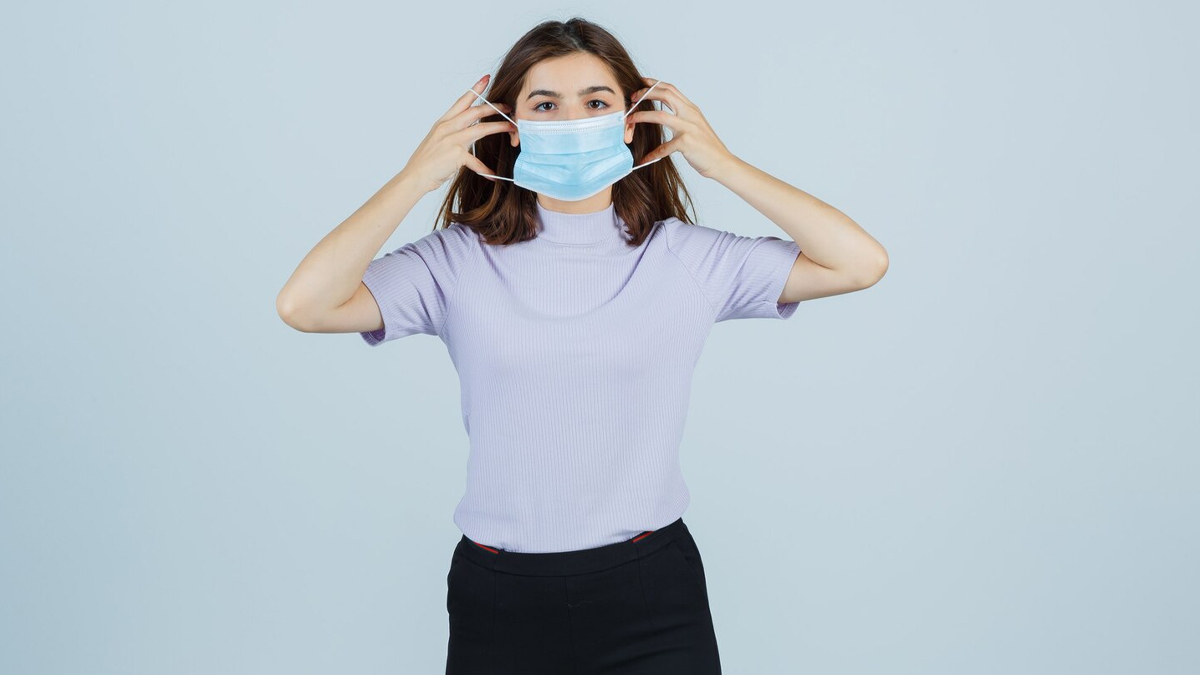
- In terms of mask performance, the fit is as crucial as the filtration. A mask is supposed to adequately cover the nose and mouth without any gaps in the sides. An adjusted nose clip not only assures better sealing, but it also keeps the polluted air from entering.
- The facial hair can create problems between the face and N95/N99 masks, so clean-shaven or trimmed will serve you better.
- The straps should be placed tightly around the head or ears and they should not be able to come off without assistance.
- If masks become wet, dirty, torn or it becomes difficult to breathe through them, they should be thrown away.
- The manufacturer’s recommendations should be strictly followed when changing the filters in the reusable respirator masks.
- Bringing masks in clean and dry pouches helps them stay safe from germs.
Can Masks Provide 100% Protection From Toxic Air Pollutants?
One of the most commonly-asked questions is – can a mask give you complete protection from polluted air? “There is no mask that could protect the wearer entirely from air pollutants. Even top-ranking respirators such as N95 and N99 come with a drawback since some pollutants are gases, for example, ozone, VOCs, and nitrogen dioxide; these masks mainly filter particulate matter. In addition to that, the effectiveness in the real world depends greatly on factors such as fit, duration of use, humidity, and individual breathing patterns,” explains Dr Kumbar.
“Wearing a mask can substantially lower one's exposure to pollutants; however, the risk is not completely done away with,” adds the expert.
How Do Masks Protect You From Air Pollution?
If you are wondering how a mask functions and prevents harm from toxic air, our expert explains this as well.
“When you wear a mask, it separates you from the extremely small particulate pollutants that it traps from reaching your respiratory system. On N95 and N99 masks there are layers of polypropylene microfibers that have an electrostatic charge; this allows them to attract very fine particles such as PM2.5,” shares Dr Kumbar.
He further explains, “The principle of the tight seal is that most of the air taken in is through the filter material and very little, if any, comes from the sides. These masks help reduce the risk of respiratory irritation, the occurrence of asthma and allergy symptoms by cutting down on the pollutants taken in inside the body.”
When Are Masks Not Effective In Air Pollution?
Dr Kumbar shares certain circumstances when masks’ effectiveness is downgraded:
- One of them is the poor fit of the mask or the occurrence of gaps which leads to infiltration of polluted air.
- Some respirators can experience a decrease in their effectiveness due to extremely humid conditions or the presence of sweat.
- Masks are useless against toxic gases which require specialised carbon filters or air purifying respirators to be dealt with.
- Those who intensely exercise may breathe harder and as a result, have air leaking around the mask edges.
- On the other hand, very young children, people with severe respiratory diseases, and those individuals who cannot bear the restriction of airflow, will not get any benefit from N95/N99 masks.
- “It is not necessary to wear a mask indoors, where air quality is moderated by purifiers. It might cause discomfort without any additional advantage,” concludes Dr Kumbar.
Also Read: Amid Delhi’s High AQI, Can N95 Masks Save You from Pollution? We Asked an Expert
The Final Word
Masks for air pollution should be chosen based on their filtration efficiency. The least effective are cloth masks since they provide minimal filtration and are unable to trap small particles such as PM2.5 or PM10. N95 masks are praised as the best and most reasonable option as a daily protective equipment.
FAQ
What are N95 masks used for?
N95 masks are used for filtering very fine airborne particles, providing high-level respiratory protection in healthcare.How many days can we use an N95 mask?
N95 masks can be rotated, 1 mask every 3–4 days.Can we sleep with an N95 mask on?
Yes, you can sleep with an N95 mask, as it generally doesn't harm your breathing but it's often uncomfortable and can disrupt sleep quality.
How we keep this article up to date:
We work with experts and keep a close eye on the latest in health and wellness. Whenever there is a new research or helpful information, we update our articles with accurate and useful advice.
Current Version
Dec 10, 2025 13:30 IST
Published By : Shruti Das