


A long and soothing bath is incomplete without a good shower gel, bath sponge, calming music and scented candles. Among these, you need to be careful of your bath sponges or loofahs. While they seem safe and harmless at the get go, they do carry hidden dangers. They can be a germ factory in itself! Yes, you read that right. If you are wondering how and why these sponges can pose a danger, this article is for you.
Table of Content:-
To get a better understanding of this, we reached out to Dr Shireen Furtado, Sr Consultant - Medical & Cosmetic Dermatology, Aster CMI Hospital, Bangalore.
Are Bath Sponges Hygienic?
Let us begin by explaining why bath sponges may not be as safe as you think they are. “Bath sponges and loofahs are not always hygienic because they trap dead skin cells, moisture, and soap, which creates a perfect place for bacteria and fungus to grow, and this can happen even faster in humid bathrooms. Using them every day without cleaning can irritate the skin, cause small cuts to get infected, or lead to body acne,” shares Dr Furtado.
She continues, “Natural loofahs can grow germs within a few days. Plastic ones can also trap dirt, if not washed properly. It is better to rinse them well, dry them in a place with good air, and replace them every three to four weeks to stay safe. If your skin is sensitive or you notice redness, it is safer to avoid loofahs and use your hands or a soft cloth instead.”
How Often Should You Change Bath Sponges?
Now, you must be thinking – how frequently should we change bath sponges? Our expert answers this for you.
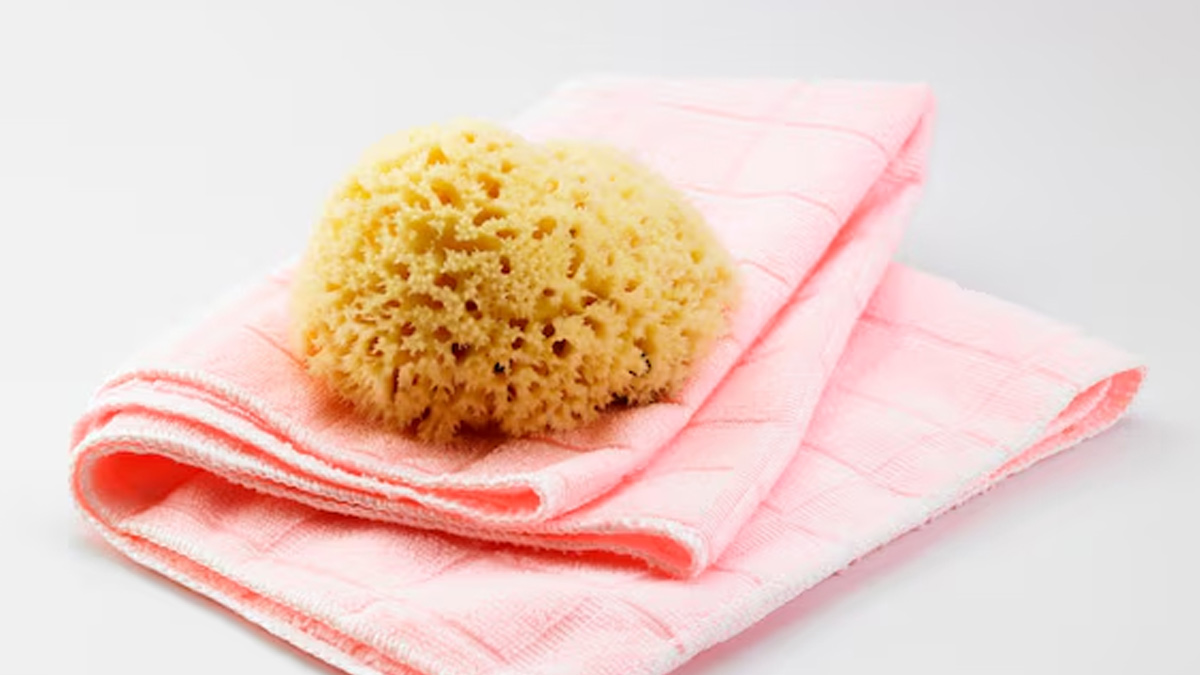
“Bath sponges collect dead skin, soap, and moisture. This can quickly grow bacteria and fungus, and it makes them less safe for your skin. Natural loofahs should be replaced every three to four weeks because they hold more germs and break down faster, while plastic mesh sponges can last up to eight weeks, if you clean and dry them properly. It is important to rinse your sponge after every use, squeeze out extra water, and hang it in a dry, airy place to stop germs from growing. If you notice a bad smell, dark spots, or the sponge becoming rough or torn, you should replace it immediately to protect your skin and avoid infections,” explains Dr Furtado.
How Long Do Germs Live On Bath Sponges?
Loofahs can spread bacteria and germs. And this is all the more reason to be careful while using it. “When you use the same loofah repeatedly, the bacteria can transfer back to your skin and may cause irritation, rashes, body acne, or small infections, especially on freshly shaved skin,” says Dr Furtado.
Now, the main question is – how long can bacteria and germs live on bath sponges? “They can stay on bath sponges for a long time. This is because loofahs stay wet and hold dead skin cells. It gives germs everything they need to survive. Many common bacteria can live for several days on a moist sponge, and some can even survive for weeks, if the sponge never dries properly.”
Also Read: Expert-Approved Way To Boost Collagen In Less Than 30 Days
How To Clean Bath Sponges The Right Way?
On this note, Dr Furtado shares the right way to clean a loofah:
- Rinse it well after every bath to remove soap and dead skin.
- Squeeze out all extra water and hang it in a dry, airy place, so it can dry completely, because germs grow faster in moisture.
- You should deep clean it once a week by soaking it in hot water with a little white vinegar or by using diluted antibacterial liquid for a few minutes; then rinse it well again.
- Natural loofahs can also be boiled for a few minutes to kill germs.
- Plastic mesh loofahs should not be boiled but can be soaked in a disinfecting solution.
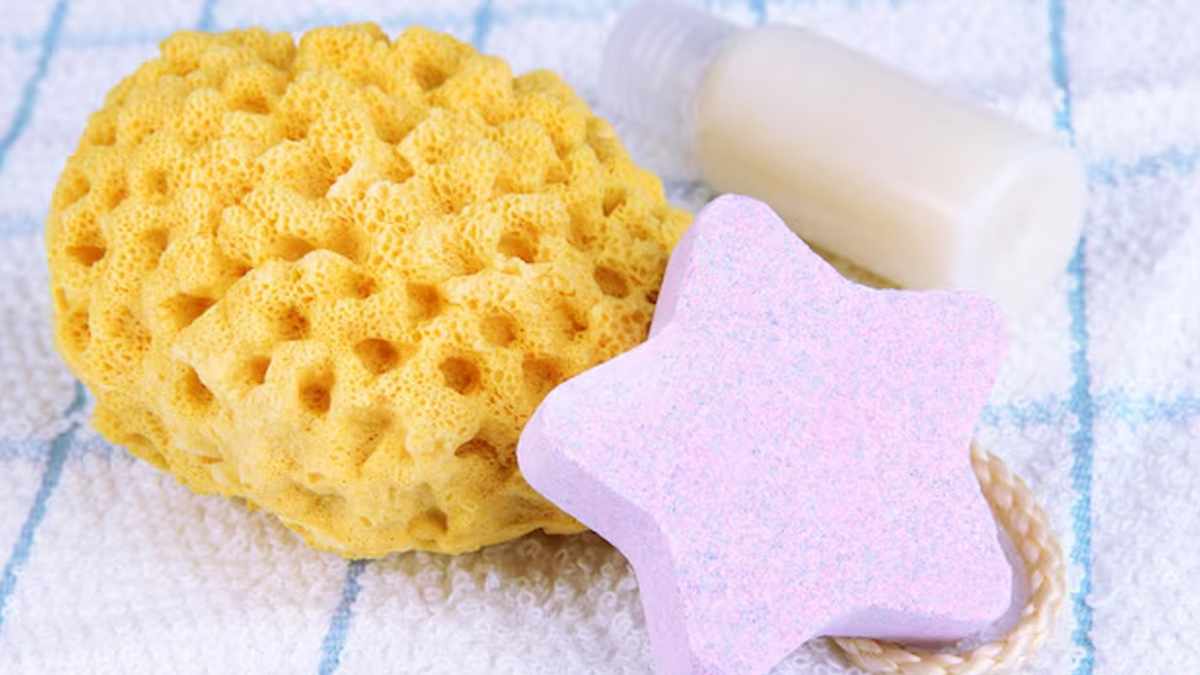
“If the loofah smells bad, changes colour, or feels slimy, you should throw it away immediately,” warns the expert.
What Is The Most Hygienic Way To Wash Your Body?
If not a bath sponge, what is the most hygienic way to wash your body? Dr Furtado answers, “Use your hands or a clean, soft washcloth because they do not trap germs the way loofahs and sponges do. This keeps your skin safer. Washing with warm water and a gentle soap removes dirt, sweat, and oil without causing irritation. Using your hands lets you clean your skin properly, while avoiding harsh scrubbing. You should focus on areas that sweat more, like underarms, groin, feet, and behind the ears. Rinse well, so no soap stays on the skin.”
“After bathing, dry your body completely with a clean towel to prevent moisture buildup. Keeping your hands clean, washing the cloth often, and replacing towels regularly helps maintain good hygiene,” concludes Dr Furtado.
Also Read: Why Skinimalism Isn’t Lazy — It’s Smart: Dermatologist On Streamlined Skincare
The Final Word
Bath sponges collect dead skin, soap, and moisture, which can quickly grow bacteria and fungus, and this makes them less safe for your skin. It is important to rinse your sponge after every use, squeeze out extra water, and hang it in a dry, airy place to stop germs from growing.
Also watch this video
FAQ
Are sponge baths hygienic?
Yes, they are hygienic, as long as they are cleaned the right way using warm water and a mild cleanser.How often should you wash a bath sponge?
You should disinfect a bath sponge every week.Is it healthy to bathe with a sponge?
Bathing using sponges more than two or three times a week could expose individuals to serious skin damage and infections.
How we keep this article up to date:
We work with experts and keep a close eye on the latest in health and wellness. Whenever there is a new research or helpful information, we update our articles with accurate and useful advice.
Current Version
Dec 02, 2025 17:33 IST
Published By : Shruti Das