


When a person goes to the gym, they have one of the three motives: either they want to feel healthier, stronger, or more energised. However, on days when the air outside, and even inside, is thick with pollution, a well-intentioned workout may also be doing exactly the opposite. With AQI levels touching poor and severe categories frequently across Indian cities, experts have begun to caution that workouts in polluted environments might put your lungs and heart under unwarranted strain.
Table of Content:-
In an exclusive interaction with the editorial team of Onlymyhealth, Dr Harshil Alwani Consultant - Pulmonology, CK Birla Hospitals, Jaipur, shared that while exercise is an essential part of good health, with declining air quality, the response of our body changes drastically when we undergo physical exertion.
"Exercise increases our respiratory rate by three to five times, meaning you take in a lot more contaminated air. It is dangerous to exercise when the AQI is high. The lungs bypass the natural filtration system of the nose during exercise by switching from nasal to oral breathing,” he explained.
ALSO READ- Rising Air Pollution Is Putting Vulnerable Groups At Risk, Doctor Shares Challenges and Safety Tips
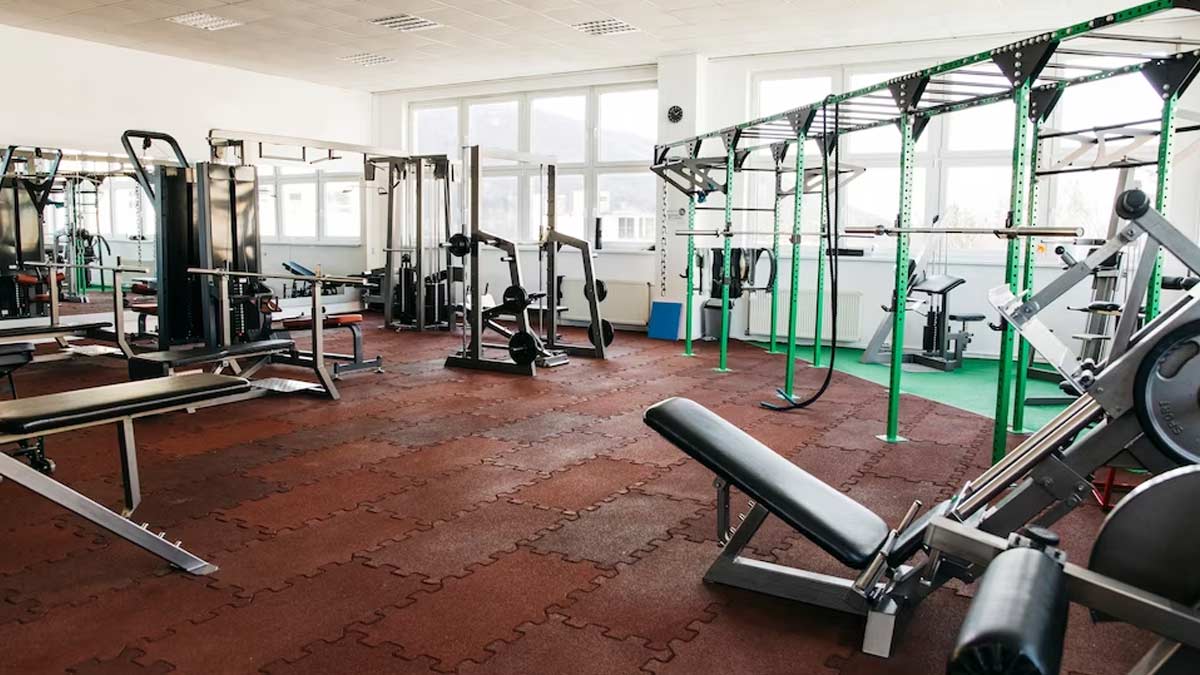
During workouts, especially cardio, people breathe deeper and a bit faster. That means more pollutants including, PM2.5, nitrogen dioxide, and ozone, travel directly into the lower respiratory tract instead of being filtered by the nose. According to Dr Alwani, this overload of pollution might trigger oxidative stress, bronchospasm, and airway inflammation, particularly in those who have conditions like asthma, COPD, allergic rhinitis, or heart disease.
“Symptoms such as breathlessness, coughing, chest tightness, or even acute respiratory flare-ups can follow a single intense workout in high AQI,” he added. But what many people don't realise is that the effects don't stop at the lungs.
Dr Alwani also shared, "The harmful effects of high AQI on exercise are not confined to the lungs. It causes systemic inflammation due to pollutants in the bloodstream, thus putting extra stress on the cardiovascular system."
This means that a person with high blood pressure or an underlying heart condition may feel an increase in heart rates, dizziness, or irregular breathing when pushing their limits through high-intensity workouts in polluted air. Even completely healthy individuals may notice unusually fast fatigue, slower recovery, or reduced stamina.
Additionally, the most vulnerable groups are children, athletes, and the elderly, whose respiratory systems either work harder or are less resilient. People often mistake post-workout headaches, watery eyes, throat irritation, or morning fatigue for seasonal allergies when they’re actually symptoms of pollution exposure during exercise.

What Should You Do to Stay Safe?
Skipping workouts isn't the solution-being smart about them is. Dr Alwani recommended the following:
- Check the real-time AQI before planning your workout: AQI below 100 is generally safe. Anything above 200 calls for modifications.
- Opt for indoor, low-intensity workouts on poor AQI days: "Strength training, yoga, low-intensity workouts indoors, and at-home exercises in a clean environment are safer options," he advised.
- Use air purifiers wherever possible: They significantly reduce the indoor particulate load.
- Stick to early morning workouts: Pollution levels are relatively lower at dawn.
- Reduce workout duration and intensity: Shorter sessions minimize pollutant exposure.
- Wear a well-fitting N95 mask during warm-up and cool-down: Although difficult during intense exercise, it still helps to reduce inhalation of pollutants during periods of lighter activity.
Most importantly, prioritise clean air, just like you do with reps and sets. Fitness should never come at the cost of respiratory or cardiovascular health.
Bottomline
Exercise is great, but so is the air you breathe. On high-pollution days, choosing safer indoor, low-intensity alternatives can protect your lungs, heart, and long-term well-being.
Also watch this video
FAQ
1. Is it safe to do cardio when AQI is high?
High-intensity cardio increases pollutant intake and irritates the lungs. So, it's better to switch to low-intensity indoor workouts on such days.2. Does pollution affect my fitness progress?
Yes. Polluted air impairs oxygen exchange, reduces endurance, and slows recovery, even in healthy individuals.3. Should I wear a mask while working out?
Wearing an N95 mask during warm-ups or lighter exercises can help, but it may be uncomfortable during high-intensity workouts. Prioritise clean indoor spaces instead.
How we keep this article up to date:
We work with experts and keep a close eye on the latest in health and wellness. Whenever there is a new research or helpful information, we update our articles with accurate and useful advice.
Current Version
Dec 05, 2025 12:04 IST
Published By : Tanya Srivastava