

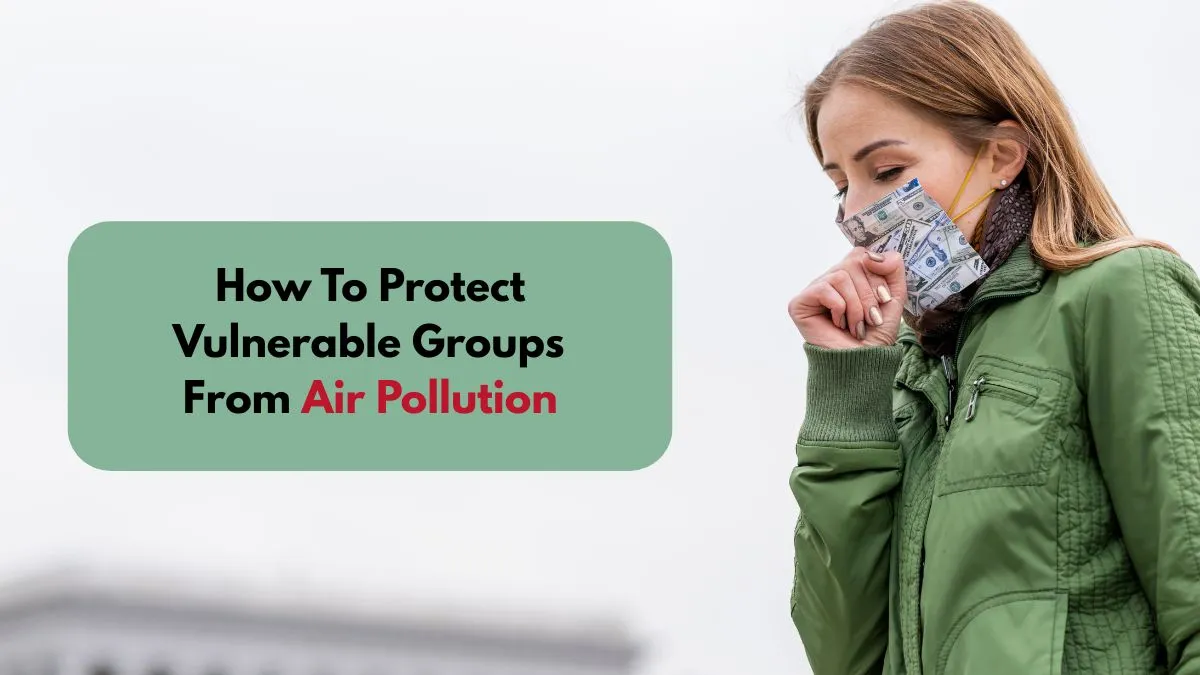
Children, senior citizens, and people living with chronic illnesses such as asthma, COPD, heart disease, kidney disease, and diabetes are biologically more sensitive to even small dips in air quality. Because of their reduced physiological reserve and heightened inflammatory response, they tend to develop symptoms earlier and more severely than healthy adults when pollution rises. Today, air pollution is recognised not just as a source of temporary cough or eye irritation, but as a major global driver of non-communicable diseases and long-term systemic health deterioration.
Table of Content:-
“Children breathe faster, spend more time outdoors, and have developing lungs, which means they inhale more polluted air per kilogram of body weight than adults. This makes them particularly prone to wheezing, bronchitis, asthma flare-ups, and reduced lung growth during periods of poor air quality,” shares Dr Manoj AG, Consultant Physician at Practo.
“Even short-term exposure to particulate pollutants and toxic gases can trigger symptoms quickly, leading to increased absenteeism from school and a higher burden of respiratory infections,” he adds.
How Does Air Pollution Affect People With Chronic Health Conditions?
Older adults and individuals with chronic medical conditions such as heart failure, coronary artery disease, COPD, diabetes, and chronic kidney disease have less physiological reserve.
A level of exposure that may cause mild discomfort in a healthy adult can cause breathlessness, chest pain, dizziness, confusion, or acute exacerbations in them.
Also Read: 1 in 4 Cardiovascular Disease Deaths Tied to Air Pollution
Pollution-related inflammation can destabilise otherwise well-controlled conditions, which explains the rise in clinic visits, emergency admissions, and hospitalisations during severe pollution episodes.
Adding to this, Dr Manoj says, “Fine particulate matter (PM2.5 and PM10) and toxic gases like nitrogen dioxide penetrate deep into the lungs and bloodstream. This triggers inflammation, oxidative stress, and endothelial dysfunction mechanisms linked to heart attacks, strokes, heart failure decompensation, and rhythm disturbances in high-risk individuals. Pollution also increases blood viscosity and can destabilise atherosclerotic plaques. Thus, air pollution can increase cardiovascular risk.”
Effect of Pollution On People With Respiratory Illnesses
According to the World Health Organization, In people with asthma, COPD, and other respiratory illnesses, pollution intensifies airway inflammation, increases mucus production, and heightens bronchial hyperreactivity. This leads to worsening cough, wheeze, nocturnal breathlessness, and more frequent need for rescue medications. During severe smog episodes, even stable patients may experience acute exacerbations requiring urgent care.
We also asked Dr Manoj to explain if air pollution can also affect general well-being. He answered, “Chronic pollution exposure also affects metabolic health. It is associated with poorer diabetes control, higher insulin resistance, and a greater burden of infections. Pollution-induced inflammation weakens mucosal immunity, making the very young and the elderly more susceptible to viral and bacterial respiratory illnesses.”
How To Stay Safe Amid Severe Air Pollution?
- Tracking local Air Quality Index (AQI) is vital. On poor or severe AQI days, outdoor activities should be modified or rescheduled.
- Children, senior citizens, and high-risk individuals should avoid peak traffic hours and stay indoors when possible.
- To improve indoor air quality, close windows during peak pollution times, use exhaust fans while cooking, avoid incense or biomass burning.
- If possible, consider using an air purifier with a HEPA filter if feasible.
- Regular damp dusting, reducing indoor dust reservoirs, and ventilating the home on good-AQI days further help.
- For individuals with asthma, COPD, diabetes, or heart disease, strict medication adherence during pollution season is essential.
- Annual influenza and pneumococcal vaccines (where indicated) help reduce infection related complications.
- Routine check-ups before high-pollution months allow optimisation of chronic disease management.
- Physical activity should continue but with adjustments exercise indoors on high-AQI days, avoid jogging along busy roads, and choose cleaner routes away from heavy traffic or construction areas.
Final Word
Summing up, Dr Manoj says, “Caregivers of children and older adults should watch for warning signs such as new wheeze, worsening cough, reduced activity, chest discomfort, confusion, or sudden fatigue. Early medical evaluation during pollution peaks prevents complications.”
At a community level, supporting clean fuels, public transport, anti-burning initiatives, and creation of green spaces helps reduce overall pollution. Real-time AQI communication and public awareness empower families to take timely precautions and protect the most vulnerable first.
Also watch this video
FAQ
Which group is most vulnerable to air pollution?
Kids, elders and people who have a chronic illness are more susceptible to air pollution.How can we protect against air pollution?
Avoid going out when the AQI is bad, wear N95 mask always when going out, use an air purifier when indoors and focus on a healthy diet.What are the main causes of air pollution?
The primary causes of air pollution are vehicle emissions, industrial pollution, burning of fossil fuels, waste burning, to name but a few.
How we keep this article up to date:
We work with experts and keep a close eye on the latest in health and wellness. Whenever there is a new research or helpful information, we update our articles with accurate and useful advice.
Current Version
Dec 03, 2025 13:46 IST
Published By : Chanchal Sengar