

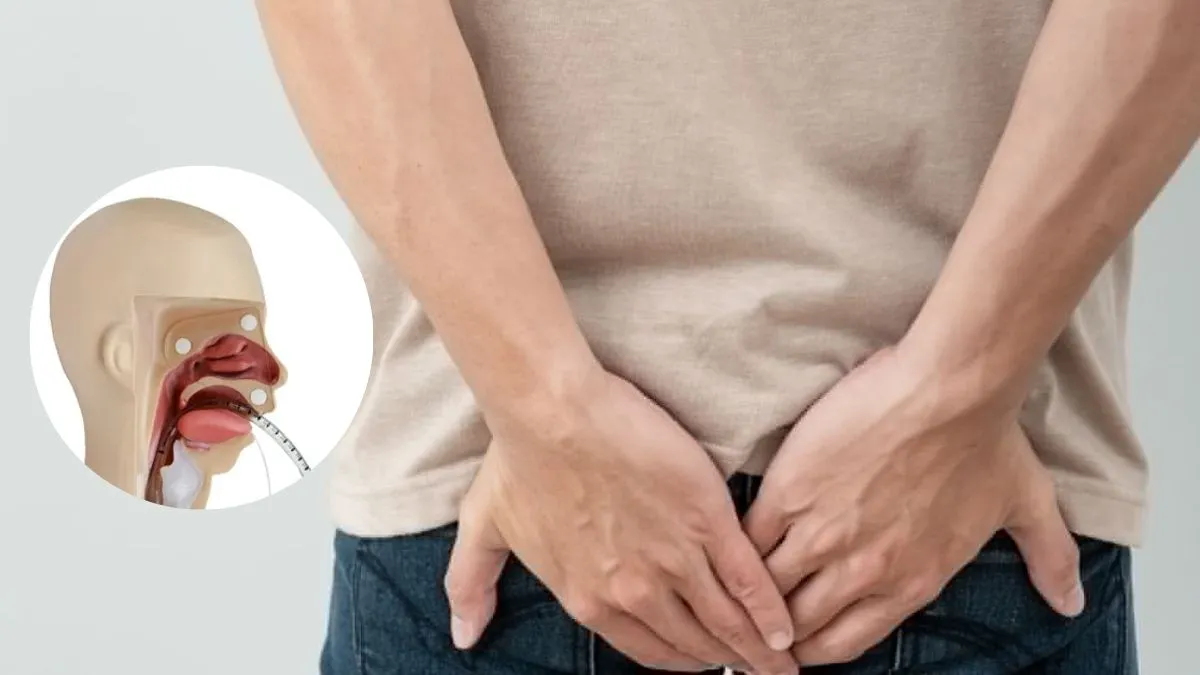
If you’ve been following strange-but-true medical news lately, you may have come across this eyebrow-raising idea: breathing through the butt. It sounds like a joke you’d hear on the internet, but scientists in Japan have actually been studying a technique that allows oxygen to be delivered through the rectum.
Table of Content:-
It’s an experimental method designed for situations where patients can’t get enough oxygen through their lungs, especially during severe respiratory failure. The concept may feel unusual, but researchers say this could one day help people when ventilators or ECMO support are not enough. The new findings have sparked global curiosity for good reason.
To understand the science better, read ahead to know how this study came about and what researchers actually discovered.
The Study Behind Butt-Breathing by Ig Nobel Prize Awardee Takanori Takebe
The 2024 Ig Nobel Prize in Physiology was awarded to @madscientists_x Takanori Takebe for discovering that several mammals can breathe through their intestines using their anus, opening new avenues in respiratory research and giving a whole new meaning to "bottoms up." pic.twitter.com/hxdJDOOo7e
— laurent_m (@laurentm_crypto) March 29, 2025
Lead researcher Takanori Takebe from Osaka University published findings in the Med journal. The Ig Nobel Prize Awardee said, "This is the first human data, and the results are limited solely to demonstrating the safety of the procedure and not its effectiveness." Most tolerated 1L fine with mild bloating; higher doses caused discomfort. Now, "the next step will be to evaluate how effective the process is for delivering oxygen to the bloodstream," he added. Animal trials already showed survival in low-oxygen scenarios.
How the Human Trials Worked
After earlier animal studies showed promising results, researchers moved to small-scale human testing. Based on details reported by Science News, the trial included:
- 27 healthy male volunteers in Japan
- Each participant received a dose of non-oxygenated perfluorodecalin (a medically used liquid capable of absorbing gases) inserted into the rectum
- Participants were asked to hold the liquid for one hour
- Researchers monitored how well the liquid was retained and whether the process was safe
- Enteral ventilation (delivering oxygen through the rectum, aka "butt breathing") sounds wild, but the method was just shown to be safe in its first human trial.
— Brandon Luu, MD (@BrandonLuuMD) October 27, 2025
This has the potential to save numerous lives by delivering oxygen through the rectum to bypass damaged lungs. pic.twitter.com/jvuUi4xEyc
Although the trial did not deliver oxygen, it helped researchers understand:
- How well the rectum can retain perfluorodecalin
- Whether the method causes discomfort, irritation, or safety issues
- Whether the gut lining can tolerate the procedure long enough for true oxygenated versions to be tested in future trials
What The Study and Trials Found?

These steps were necessary before attempting trials with oxygen-rich perfluorodecalin, which would be used to actually improve blood oxygen levels. The initial human trial did not aim for oxygenation, but rather tested feasibility and safety, which is a critical phase in medical research. Their findings showed that oxygen introduced into the rectum can raise oxygen levels in the blood, especially when standard breathing is impaired. This could help support patients when ventilators or ECMO machines are not immediately available.
Conclusion
The “butt-breathing” technique may sound humorous online, but the research behind it is serious and grounded in medical need. Early trials show that the rectum can safely hold liquids designed to carry oxygen, opening the door for future studies. If the next phases of research succeed, this unconventional idea might one day become a life-saving option for patients in severe respiratory distress.
Also watch this video
Read Next
Elden Campbell, NBA Legend and Former Lakers Center Dies At 57: Death Cause Yet To Be Revealed
How we keep this article up to date:
We work with experts and keep a close eye on the latest in health and wellness. Whenever there is a new research or helpful information, we update our articles with accurate and useful advice.
Current Version
Dec 04, 2025 13:32 IST
Published By : Vivek Kumar