
Delhi air quality index (AQI) still remains under ‘very poor’ and sometimes ‘severe’ categories. Not just Delhi, now cities like Mumbai and Kolkata too have joined the bandwagon. We all know how toxic air is bad for our lungs. But recent research and studies have shown that the hazardous air quality also impacts our brain, bones, fertility health and so on. What if we tell you that it also affects our mental health? Yes, you read that right. Pollution may have a link to depression. Let us explain.
To get a better understanding, we reached out to Dr Pooja Pillai, Consultant - Internal Medicine, Aster CMI Hospital, Bangalore. Read ahead.
Can Bad Air Quality Make You Depressed And Dull?
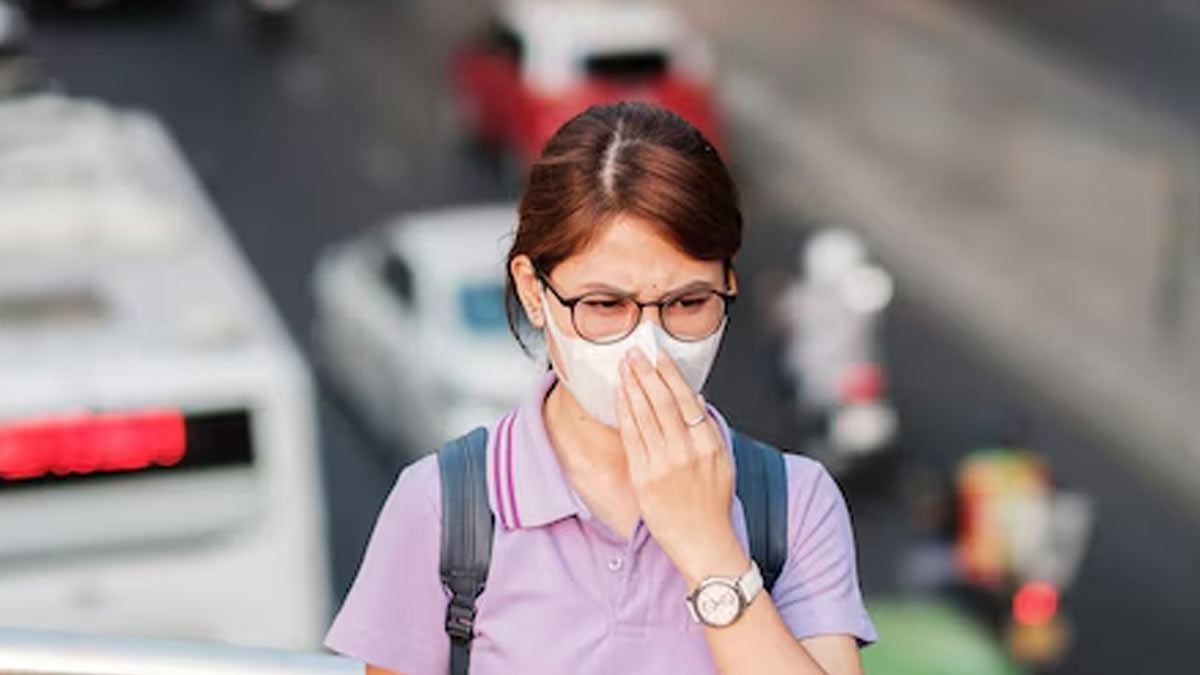
Is it true that the toxic air can make you dull and depressed? “When the air is polluted, it contains tiny particles and harmful gases that can affect your brain and body. Breathing polluted air reduces oxygen supply, which can make you feel tired, weak, and low in energy,” shares Dr Pillai.
She adds, “Studies show that long-term exposure to air pollution can increase the risk of mood disorders, anxiety, and depression. It can also disturb sleep and increase stress levels, which makes your mind feel foggy and dull. People living in areas with high pollution often report feeling less motivated, sad, or irritable. So, clean air is important not just for your body but also for your mental health.”
Does this toxic air make you tired and fatigued too? “When the air is polluted, these pollutants reduce the amount of oxygen reaching your blood and organs, including the brain, which can make you feel weak and low in energy. Breathing polluted air also puts stress on your lungs and heart, making your body work harder than usual. Over time, this can lead to constant tiredness, difficulty concentrating, and feeling worn out even after rest. People living in areas with high pollution often report more fatigue and slower recovery from physical or mental activity. Clean air helps your body stay energetic and alert,” explains Dr Pillai.
 toxic air depression inside 1
Side Effects Of Air Pollution On Mental Health
On this note, Dr Pillai shares the serious side effects of air pollution on mental health:
- Breathing polluted air exposes the brain to harmful tiny particles and chemicals, which can cause inflammation and affect how the brain works. This can increase stress, anxiety, and irritability.
- Long-term exposure to pollution is linked to a higher risk of depression, mood swings, and even memory problems.
- People may feel foggy, less focused, and mentally tired more often.
- Air pollution can also disturb sleep, which makes mood and concentration worse.
- Children and older adults are especially vulnerable to these effects.
- Living in areas with clean air helps protect the brain, improve mood, and keep thinking clear and sharp.
Also Read: Rise in Heart Attacks Linked to High AQI—Doctors Sound Alarm
Can Air Pollution Cause Anxiety And Memory Loss?
Now if you are wondering whether pollution can cause anxiety or memory loss or not, let us answer this for you too.
“Air pollution can cause anxiety and memory loss. When you breathe polluted air, tiny harmful particles and chemicals can reach the brain and cause inflammation. This can disturb how brain cells communicate, making it harder to think clearly or remember things,” explains the expert.
 toxic air depression inside 2
She continues further, “Studies show that long-term exposure to polluted air increases stress levels and can lead to feelings of anxiety or constant worry. It may also reduce attention span, slow down thinking, and make learning or recalling information more difficult. Children, older adults, and people with health conditions are more affected. Living in areas with cleaner air supports better brain health, reduces anxiety, and helps keep memory and focus sharper over time.”
Tips To Protect Mental Health In Air Pollution
Dr Pillar shares some simple hacks to protect mental health from the negative effects of air pollution:
- Start by reducing exposure to polluted air.
- Stay indoors on days when pollution levels are high and keep windows closed.
- Use air purifiers at home to clean the air and avoid outdoor exercise in heavily polluted areas. Wearing masks, especially N95 or similar, can help filter harmful particles when outside. Maintain a healthy lifestyle with regular exercise, a balanced diet, and enough sleep, as these strengthen the brain and reduce stress.
- Practice relaxation techniques like meditation, deep breathing, or yoga to calm the mind. Staying socially connected and spending time in green, clean-air spaces can also improve mood and mental clarity, protecting your mental health from pollution’s effects.
Also Read: Rising Air Pollution Is Putting Vulnerable Groups At Risk, Doctor Shares Challenges and Safety Tips
The Final Word
Air pollution can increase the risk of mood disorders, anxiety, and depression. It can also disturb sleep and increase stress levels, which makes your mind feel foggy and dull. People living in areas with high pollution often report feeling less motivated, sad, or irritable. So, clean air is important not just for your body but also for your mental health.
FAQ
Can air pollution make you depressed?
As per reports, exposure to air pollution is significantly associated with increased risk of psychiatric disorders.Does bad air quality make you tired?
Yes, bad air quality absolutely makes you tired as pollutants trigger inflammation, disrupt sleep, and tax your body's systems.Which organ is most affected by air pollution?
Lungs is the most affected by air pollution.
All possible measures have been taken to ensure accuracy, reliability, timeliness and authenticity of the information; however Onlymyhealth.com does not take any liability for the same. Using any information provided by the website is solely at the viewers’ discretion. In case of any medical exigencies/ persistent health issues, we advise you to seek a qualified medical practitioner before putting to use any advice/tips given by our team or any third party in form of answers/comments on the above mentioned website.
How we keep this article up to date:
We work with experts and keep a close eye on the latest in health and wellness. Whenever there is a new research or helpful information, we update our articles with accurate and useful advice.
-
Current Version
Dec 08, 2025 17:04 IST
Modified By : Shruti Das Dec 08, 2025 17:04 IST
Modified By : Shruti DasDec 08, 2025 17:04 IST
Published By : Shruti Das
Reviewed By : Dr. Pooja Pillai