


If you've been feeling breathless or unusually fatigued, or have chest discomfort on days when the air feels heavier, you are not imagining it. With air pollution worsening across several Indian cities, cardiologists are raising red flags over an unsettling trend of the rise in heart attacks linked directly to high Air Quality Index (AQI) levels.
Table of Content:-
For most of us, AQI is just another number we casually check before stepping out. However, according to doctors, those numbers often have life-altering implications, especially for people already vulnerable to heart disease. In an exclusive interaction with the editorial team of Onlymyhealth, Dr Basavaraj Utagi, Senior Consultant, Cardiology, Fortis Hospital, Cunningham Road, Bengaluru, said toxic pollutants are not just irritating your lungs, they are quietly stressing your heart too. Here is everything he shared with us.
How Pollution Impacts the Heart
According to Dr Utagi, trouble starts with pollutants like PM2.5 and PM10, i.e. the microscopic particles slide deep into the lungs and even penetrate the bloodstream. When they go inside, they set off a dangerous chain of changes.
ALSO READ- Expert Warns Breathing at the Gym During High AQI May Do More Harm Than Good, Here's What To Do

“High levels of AQI increase the heart attack risk, mainly in vulnerable individuals. PM2.5 and PM10 are two components that enter into the blood through the lungs, leading to inflammation, abnormal blood clotting, and vasoconstriction. These can enhance the possibility of heart attacks, arrhythmias, and worsening of existing heart conditions,” he explained.
Continuous exposure of them does not just irritate the airways but creates oxidative stress inside the body. This stress weakens the stability of plaque lining the arteries. When this plaque becomes unstable, it is more likely to rupture and cause sudden blockages. “That explains why even the healthiest of people experience sudden cardiac events on days with very heavy pollution,” Dr Utagi added.
People who have experienced hypertension, diabetes, high cholesterol, or any heart conditions in the past belong to a high-risk group, along with smokers and older adults. To them, polluted air is more than irritating and can be hazardous.
Who Should Stay Indoors and When?
We have always assumed that early mornings are the healthiest time to step out for a walk or run. But that might not be true anymore. Dr Utagi pointed out what vulnerable groups should bear in mind during high-AQI days. He recommended:
- Those who already have heart disease, or strong risk factors, should not venture outdoors when AQI crosses 200 and strictly stay indoors if levels exceed 300.
- Early mornings and late evenings record higher pollutant concentrations. People at risk should ideally stay indoors during such hours.
- Outdoor exercises, jogging, and long commutes should be minimised when the air quality dips.
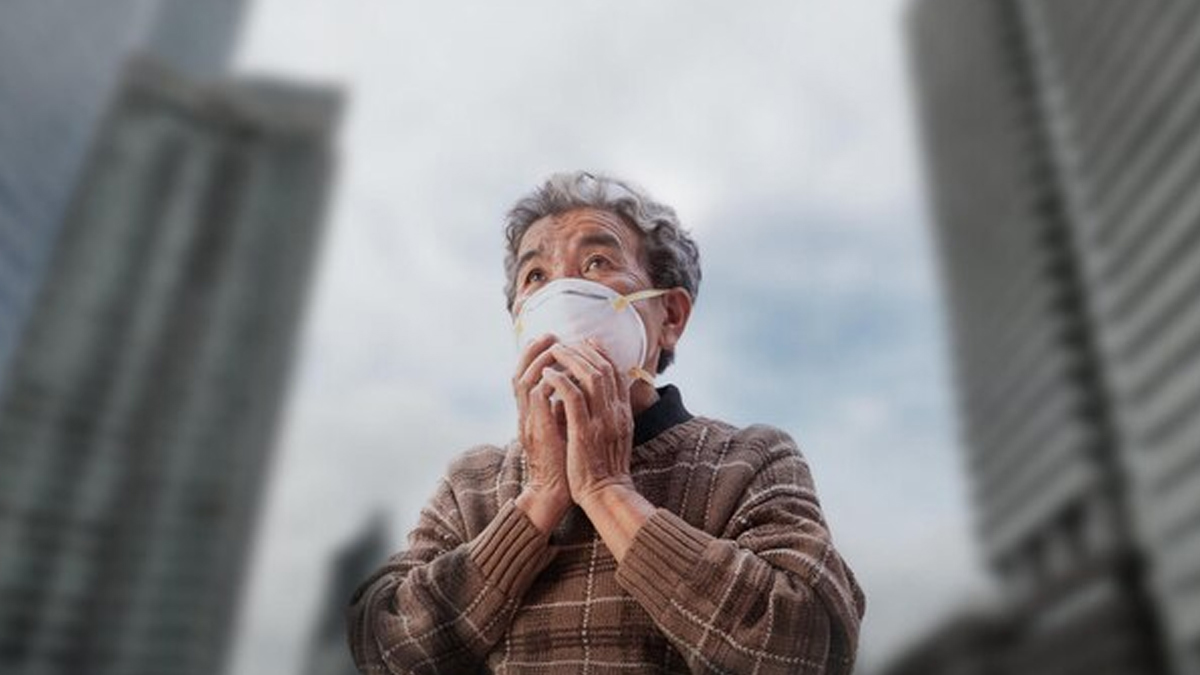
- The toxic effects of pollution can be mitigated significantly using N95 masks, indoor air purifiers, and staying well-hydrated.
ALSO READ- An Expert Guide To Your Fertility Diet For Smoggy Months
How to Protect the Heart in a Polluted Environment
While one cannot control the levels of citywide pollution overnight, they can reduce their personal exposure. Here are simple but effective expert-approved steps:
- Check the AQI daily: It's like checking the weather. This practice will help you dictate the day's outdoor activity plans.
- Wear an N95 mask: This type of mask helps especially while commuting or working outdoors. Dr Utagi emphasised that cloth and surgical masks do not block fine particles.
- Use Home Purifier: Invest in a home air purifier, certainly if you live in a highly polluted area.
- Hydration: Stay hydrated to support circulation and reduce stress on the heart.
- Outdoor Workout: Avoid vigorous outdoor exercise on bad-AQI days, rather switch to indoor workouts.
Dr Utagi also stressed that if you develop chest pain, sudden breathlessness, or palpitations, see a doctor immediately since delay can be dangerous.
Bottomline
Days with high AQI aren't just uncomfortable, they can also silently strain the heart and raise the risk of heart attacks, especially for vulnerable groups. Follow the above recommendations to stay safe and protected.
Also watch this video
FAQ
1. Can pollution really cause a heart attack?
Yes. Fine pollutants such as PM2.5 go into the bloodstream to cause inflammation, vessel constriction, and plaque instability, all of which could trigger heart attacks.2. Is it safe to exercise outdoors when the AQI is high?
No, since you're breathing more in outdoor workouts, you tend to inhale more pollutants. It would be much safer indoors on high-AQI days.3. If I have to go outdoors, how can I lower pollution exposure?
Wear a certified N95 mask, avoid peak pollution hours, keep outdoor time short, and stay hydrated to support cardiovascular health.
How we keep this article up to date:
We work with experts and keep a close eye on the latest in health and wellness. Whenever there is a new research or helpful information, we update our articles with accurate and useful advice.
Current Version
Dec 06, 2025 00:40 IST
Published By : Tanya Srivastava