
Polycystic Ovary Syndrome (PCOS) affects women’s fertility, menstrual cycle, and well-being. This hormonal and metabolic disorder can also impact an individual’s mental health. Today, we will explore in detail its impact on periods. The article will explore what the menstrual cycles of women who have PCOS look like, from their symptoms to management tips.
For better understanding of this, the editorial team of OnlyMyHealth reached out to Dr Manjeet Arora, Clinical Director - Department of Obstetrics and Gynaecology at Cloudnine Group of Hospitals, Kailash Colony, New Delhi and Dr Shobha Gupta, Medical Director and IVF Expert from Mother's Lap IVF Centre, New Delhi.
How Does PCOS Affect Periods?
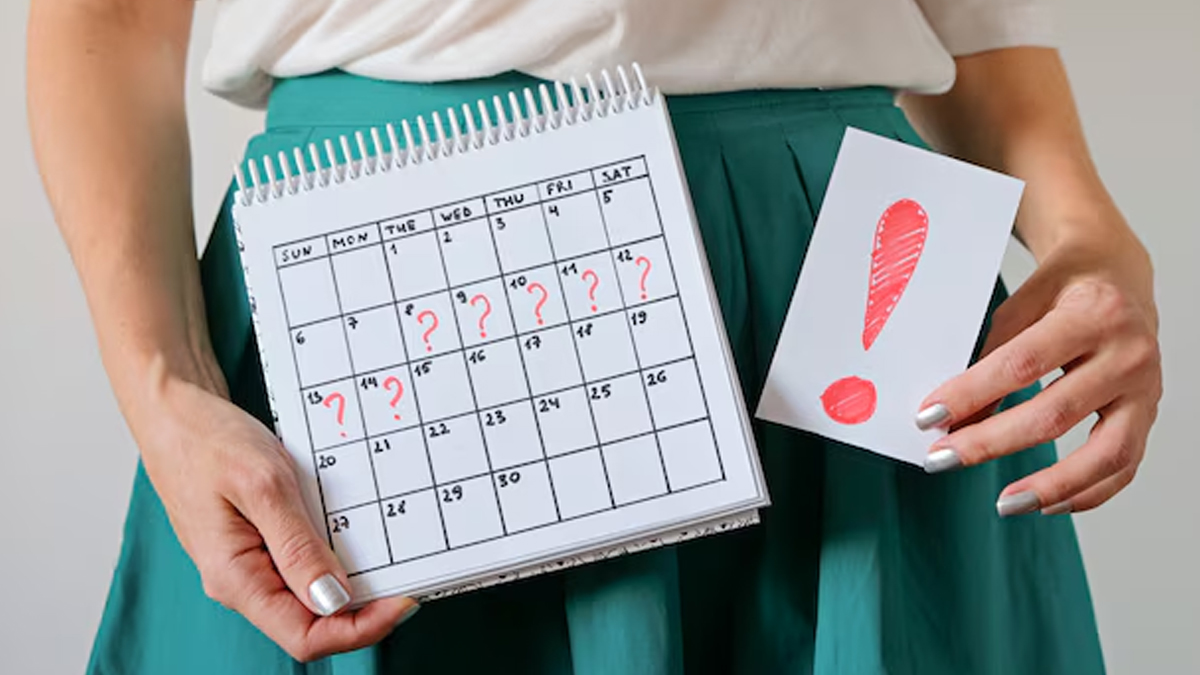
According to the World Health Organization, PCOS is the result of inappropriate hormonal signalling that leads to higher-than-normal androgen levels and other hormonal imbalances. “PCOS commonly affects menstrual cycles, making periods irregular, unpredictable, or sometimes absent. Understanding these changes can help women manage symptoms better and seek timely care,” says Dr Arora. The expert shares some common symptoms that women with PCOS may experience:
- Irregular periods: Cycles may be longer than 35 days or occur infrequently.
- Missed periods (amenorrhea): Some women may go months without menstruation.
- Heavy bleeding: When periods do occur, they can be heavier due to prolonged build-up of the uterine lining.
- Prolonged bleeding: Periods may last longer than usual.
- Painful periods: Though not as typical as in endometriosis, some women may experience discomfort.
- Associated symptoms: Acne, weight gain, excessive facial hair, and hair thinning due to hormonal imbalance.
“These changes are largely due to irregular ovulation or lack of ovulation, which disrupts the normal hormonal rhythm,” adds the expert.
Adding to this, Dr Gupta says, "PCOS, or Polycystic Ovary Syndrome, is closely linked to irregular periods because it directly affects hormonal balance. As I often explain to my patients, the ovaries may not release eggs regularly due to excess androgens, which disrupts the normal menstrual cycle. This can lead to delayed, missed, or very scanty periods. Some women may also experience heavy bleeding after long gaps. Period irregularity is often one of the earliest signs of PCOS, and it should not be ignored. Timely evaluation helps in managing symptoms early and preventing long-term complications such as infertility or metabolic issues."
 pcos period 1
Symptoms and Diagnosis of PCOS
According to the Cleveland Clinic, these are some of the most common signs and symptoms of PCOS:
- Irregular periods.
- Abnormal hair growth.
- Acne.
- Obesity.
- Skin darkening.
- Cysts.
- Skin tags.
- Thinning hair.
- Infertility.
Let us now take a look at the tests which can help detect PCOS. As per the Cleveland Clinic, your doctor may do the following to check for the presence of this hormonal condition:
- Ask about your symptoms and medical history.
- Ask about your family’s medical history.
- Measure your weight and blood pressure.
- Perform a physical exam to check for excess facial hair, hair loss, acne, discoloured skin, and skin tags.
- Perform a pelvic exam to check for other causes of abnormal bleeding.
- Perform blood tests to check your hormone and glucose levels.
- Perform a pelvic ultrasound to look at your ovaries and check your uterine lining’s thickness, and look for other causes of abnormal bleeding.
 pcos period 2
Can PCOS Cause Irregular Periods And Anovulation?
PCOS has often been considered a primary cause behind irregular periods, as well as anovulation (it happens when a woman's ovaries fail to release an egg during the menstrual cycle). Explaining this, Dr Arora says, “Irregular periods in PCOS are not just a menstrual issue; they can increase the risk of endometrial thickening, fertility challenges, and metabolic complications over time if left unmanaged.
A 2025 study, published in the ‘Endocrine and Metabolic Science’ journal, confirms that PCOS is directly linked with irregular periods and anovulation. It describes that women with PCOS often experience insulin resistance and produce abnormally high levels of androgens (male hormones). This disrupts their reproductive cycle and prevents them from successfully releasing a developed egg into the reproductive tract. Since the egg is not released, the body does not get the standard hormonal signals needed to shed the uterine lining. This leads to skipped, delayed, or missed periods.
According to the World Health Organization, women with PCOS may experience irregular or infrequent menstrual periods, pain, heavy menstrual bleeding, abnormal ovulation, changes in hair, oilier skin, acne, and/or cysts in the ovaries. Their report added that PCOS is a leading cause of irregular menstrual periods and one of the most common causes of infertility. This hormonal disorder can start as early as adolescence, but is most commonly detected or diagnosed when women struggle to become pregnant.
ALSO READ- Why do PCOS and Endometriosis Diagnoses Take Years in India? Expert Answers
Tips To Manage Periods In PCOS
Dr Arora lists some tips to manage PCOS effectively:
Maintain a Healthy Lifestyle
Weight management is important. Even a 5–10% weight loss can help regulate cycles by improving hormonal balance. Regular exercise enhances insulin sensitivity and supports ovulation.
Balanced Diet
Focus on whole foods, high in fibre, lean proteins, and healthy fats. Reducing processed sugars and refined carbohydrates helps manage insulin resistance, an important factor in PCOS.
 pcos period 3
Track Your Cycle
Use apps or a simple calendar to monitor cycle length, flow, and symptoms. This helps identify patterns and provides useful information for your doctor.
Medical Management
- Hormonal pills (OCPs): Help regulate cycles and protect the uterine lining.
- Progesterone therapy: May be prescribed to induce periods if they are absent.
- Other medications: Based on individual needs (example, for insulin resistance).
Stress Management
Chronic stress can worsen hormonal imbalance. Practices like yoga, meditation, and adequate sleep support the regulation of the menstrual cycle.
ALSO READ- Endometriosis Vs PCOS: Experts Explain The Key Differences
Can You Have PCOS With Regular Periods?
One common question that is often asked is whether you can have regular periods despite your PCOS.
Answering this, Dr Gupta says, "Yes, it is possible to have PCOS even if your periods appear regular. Many women assume that a normal cycle rules out PCOS, which is not always true. PCOS is a spectrum disorder, and symptoms can vary widely. Some women may have regular menstruation but still experience issues like acne, excessive hair growth, or difficulty in conceiving due to underlying hormonal imbalance or poor egg quality. Diagnosis is based on a combination of symptoms, ultrasound findings, and blood tests — not just menstrual regularity. Hence, a proper evaluation is essential if there are any concerns."
When Should You See A Doctor?
It’s important not to ignore menstrual irregularities. Dr Arora shares that you should seek medical advice if:
- You miss periods for more than 2–3 months.
- Your cycles are consistently longer than 35–40 days.
- You experience very heavy bleeding (soaking pads every 1–2 hours).
- Periods last more than 7–10 days.
- You notice sudden changes in your cycle pattern.
- You are trying to conceive but have irregular ovulation.
- You have symptoms like excess hair growth, severe acne, or unexplained weight gain.
 pcos period 4
Conclusion
Periods in PCOS can be irregular and sometimes heavy, but they are manageable with the right combination of lifestyle changes and medical care. Early intervention, regular monitoring, and a personalised approach can help maintain hormonal balance and reproductive health.
FAQ
What does a PCOS period feel like?
Some of the most common symptoms of PCOS are severe period pain and irregular menstrual cycle, among others.Are PCOS periods heavy or light?
PCOS generally causes painful periods with heavy bleeding.What is the primary symptom of PCOS?
Irregular periods are the primary symptom of PCOS.Why are PCOS periods so painful?
PCOS causes painful periods mainly due to hormonal imbalances that lead to a thickened uterine lining.What foods should you avoid if you have PCOS?
To manage PCOS symptoms, avoid foods such as refined carbohydrates, sugary beverages, processed meats, deep-fried snacks, and high-fat dairy.
All possible measures have been taken to ensure accuracy, reliability, timeliness and authenticity of the information; however Onlymyhealth.com does not take any liability for the same. Using any information provided by the website is solely at the viewers’ discretion. In case of any medical exigencies/ persistent health issues, we advise you to seek a qualified medical practitioner before putting to use any advice/tips given by our team or any third party in form of answers/comments on the above mentioned website.
How we keep this article up to date:
We work with experts and keep a close eye on the latest in health and wellness. Whenever there is a new research or helpful information, we update our articles with accurate and useful advice.
-
Current Version
Apr 16, 2026 18:00 IST
Modified By : Shruti Das Apr 16, 2026 18:00 IST
Modified By : Shruti DasApr 16, 2026 18:00 IST
Modified By : Shruti DasApr 16, 2026 18:00 IST
Published By : Shruti Das
Reviewed By : Dr Shobha Gupta