
In today's world screens are everywhere. We use them for work, for emails, for media and for entertainment. Many people spend hours in front of phones, laptops and tablets. While screens make life easier, there is evidence that much screen time can interfere with our hormones.
Hormones are like chemical messengers that control our sleep, appetite, mood, metabolism and reproductive health. When these signals are disrupted, it can cause problems like sleep mood changes, weight gain and menstrual irregularities.
How Excessive Screen Time Disrupts Hormonal Balance
To understand this better, we reached out to Dr Shobha Gupta, Medical Director and Gynaecologist at Mother's Lap IVF Centre, Vrindavan, who shared valuable insights into how screen time influences hormonal balance and overall health.
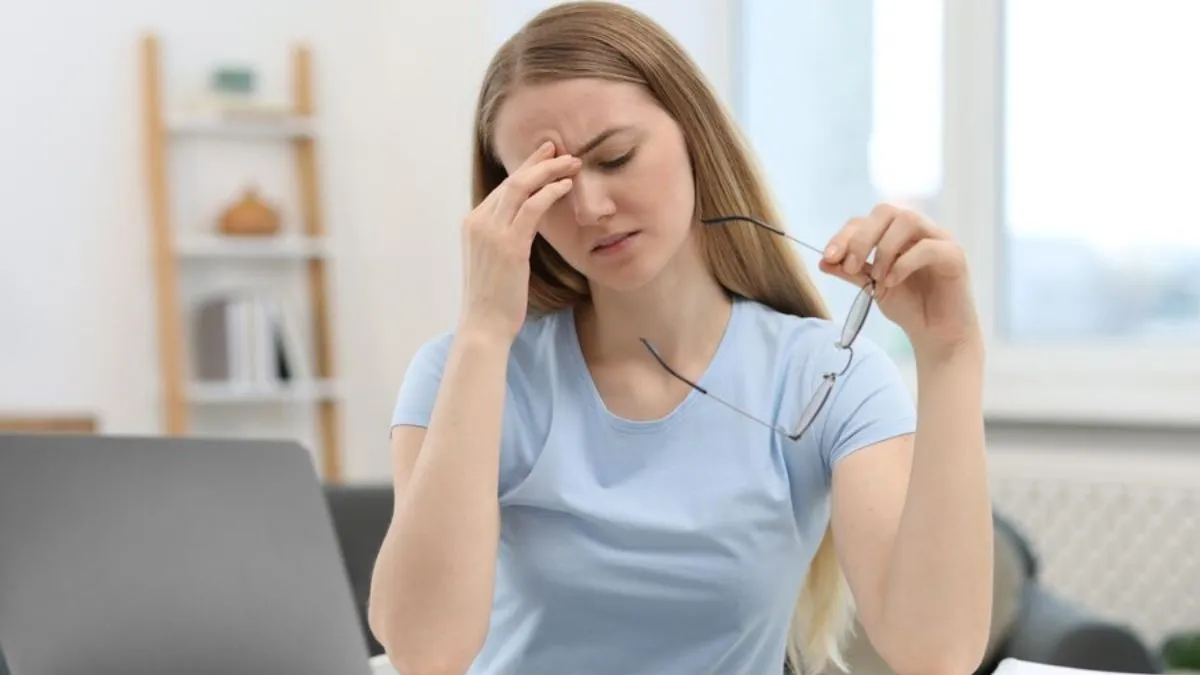
According to Dr Gupta, screen exposure is not just a harmless habit. It has measurable biological effects. “Excessive screen time is not just a lifestyle concern and has a measurable impact on our hormonal balance,” explains Dr Shobha Gupta. She highlights that prolonged exposure to digital devices, especially without breaks, can disturb the body's natural circadian rhythm, the internal clock that controls sleep-wake cycles and hormone release.
A study published in the journal Scientific Reports found that exposure to bright light during the biological night led to rapid suppression of melatonin levels by about 40% and noticeable changes in cortisol patterns, showing how light exposure can directly influence key circadian hormones. Researchers also observed that melatonin levels dropped within minutes of light exposure and took longer to recover once the light was removed, highlighting how even short periods of nighttime light can disrupt the body’s internal clock.
ALSO READ- Endometriosis and Infertility: Causes, Symptoms, Diagnosis, And Treatment
Link Between Blue Light and Hormonal Disruption
This circadian rhythm is sensitive to light, particularly the blue light emitted from screens. When exposed to blue light, the brain receives signals similar to daylight, even when it is night. This confusion disrupts communication between the brain and the endocrine system, which regulates hormone production.
-1768226181262.jpg)
Dr Gupta says that blue light can interfere with signals between the brain and endocrine system, affecting our sleep patterns, appetite control and stress responses. Over time this can push our body out of balance.
Much screen time can affect several important hormones, including melatonin, cortisol and insulin. Melatonin is the hormone that helps us sleep. When we are exposed to screens in the evening, it can suppress melatonin production. This can cause problems like insomnia, daytime fatigue and reduced concentration.
Which Hormones Are Most Affected by Excessive Screen Time?
Several important hormones can be affected by prolonged screen exposure, each influencing different aspects of health.
Melatonin: The Sleep Hormone
Melatonin is one of the most directly affected hormones. It is released naturally when darkness falls and signals the body to prepare for sleep. However, exposure to screens, especially in the evening, suppresses melatonin production.

When melatonin levels drop, people may struggle to fall asleep, wake up frequently during the night, or feel tired even after sleeping.
Disturbed sleep patterns often lead to daytime fatigue, reduced concentration, and irritability. Over time, poor sleep may weaken immunity and increase the risk of chronic conditions.
Cortisol: The Stress Hormone
Cortisol plays a key role in managing stress and energy levels. Normally, cortisol rises in the morning to help the body wake up and falls at night to support relaxation.
However, prolonged screen use, particularly during stressful activities such as work deadlines or social media use can keep cortisol levels elevated. This may result in anxiety, mood swings, fatigue, and burnout.
High cortisol levels can also interfere with sleep, creating a vicious cycle of stress and exhaustion.
Insulin: The Metabolic Hormone
Screen time is often associated with sedentary behaviour, such as sitting for long hours and snacking while watching content. These habits can influence insulin levels and increase the risk of insulin resistance.
Insulin resistance is closely linked to weight gain, type 2 diabetes, and metabolic disorders. When combined with poor sleep, the risk may become even higher.
Reproductive Hormones in Women
In women, hormonal imbalance may extend to reproductive hormones such as oestrogen and progesterone. A research published in the journal Reproductive Biology and Endocrinology shows that sleep disruption and irregular circadian rhythms can disturb the hypothalamic-pituitary-gonadal (HPG) axis.

It is the system responsible for regulating reproductive hormones such as oestrogen, progesterone, and follicle-stimulating hormone (FSH). When sleep patterns are repeatedly disturbed, often due to late-night screen exposure, this hormonal signalling can fall out of sync, potentially affecting menstrual cycles, ovulation, and fertility over time.
Disrupted sleep cycles can affect the delicate hormonal balance required for regular menstrual cycles. Women who already have hormonal conditions such as Polycystic Ovary Syndrome (PCOS) may experience worsening symptoms.
Possible effects include:
- Irregular periods
- Increased fatigue
- Difficulty managing weight
- Reduced fertility in some cases
Although these effects vary among individuals, consistent high screen exposure can gradually disturb the body's natural hormonal rhythm.
How Screen Exposure at Night Affects Melatonin and Sleep
One of the most concerning effects of screen time occurs during the evening hours. Melatonin production depends heavily on darkness. When the brain senses low light, it signals the body to release melatonin, making a person feel sleepy.
However, using digital devices at night delays this process. “Even one to two hours of screen exposure before bedtime can delay melatonin release, making it harder to fall asleep,” explains Dr Gupta.
Delayed melatonin release does more than simply postpone bedtime. It reduces sleep quality, causing frequent awakenings and preventing deep, restorative sleep.
Over time, disrupted sleep affects the entire circadian rhythm. This can lead to:
- Daytime fatigue
- Poor concentration
- Mood instability
- Reduced productivity
- Irritability
In women, chronic sleep disturbances may also affect reproductive health by interfering with hormonal cycles.
Dr Gupta highlights an important point that “Your body relies on natural light cues. When those are overridden by screens, your internal clock becomes confused.”
This confusion may explain why many people feel tired despite spending adequate hours in bed.
Can Screen Time Increase Stress Hormones and Affect Mood?
Beyond sleep, prolonged screen exposure may also influence emotional well-being through stress hormones.
Yes, prolonged screen time, especially when associated with work pressure, social media, or continuous engagement, can lead to elevated cortisol levels.
When cortisol remains high for extended periods, it may cause:
- Anxiety
- Irritability
- Low mood
- Fatigue
- Difficulty relaxing
Dr Gupta explains that modern digital habits often involve continuous stimulation. Notifications, deadlines, and social media updates can keep the brain in an alert state, preventing proper relaxation.
Another overlooked factor is reduced physical movement. Spending long hours on screens often replaces activities such as walking, exercising, or interacting socially.
These activities are essential for emotional balance and hormone regulation.
“As doctors, we are increasingly seeing patients whose fatigue and mood issues are linked more to lifestyle patterns than underlying disease,” she notes.
This observation highlights the importance of lifestyle awareness rather than relying solely on medical treatment.
Does Screen Time Affect Men and Women Differently?
Research from the University of Southampton found that women tend to experience more fluctuations in sleep quality and circadian rhythms. It is often linked to hormonal changes during the menstrual cycle, while men may show more stable patterns. Excessive screen time, especially at night, disrupts circadian rhythms and sleep hormones like melatonin. Women may sometimes feel stronger effects, such as fatigue, mood changes, or disturbed sleep during hormonal transitions.

Hormonal responses to screen exposure may vary depending on age, gender, and existing medical conditions. Women appear to be particularly sensitive to hormonal disruptions caused by sleep disturbances. Those with conditions such as PCOS, thyroid disorders, or irregular menstrual cycles may notice stronger effects.
Adolescents are another vulnerable group. During teenage years, hormones naturally fluctuate as the body grows and develops. Excessive screen time during this period may interfere with healthy hormonal development.
Men are also affected, although the effects may be less immediately noticeable. Poor sleep caused by screen exposure may influence testosterone levels, energy levels, and overall vitality.
When Should You See a Doctor?
Occasional fatigue or poor sleep may not require medical attention. However, persistent symptoms should not be ignored.
Dr Gupta advises consulting a doctor if you experience:
- Persistent sleep disturbances
- Irregular periods
- Worsening PCOS symptoms
- Chronic fatigue
- Mood changes
- Unexplained weight gain
These symptoms may indicate hormonal imbalance or underlying health conditions that require evaluation.
Prevention Tips: How to Reduce Hormonal Impact of Screen Time
The good news is that small lifestyle changes can significantly reduce the hormonal effects of excessive screen use.
Dr Gupta recommends several practical steps:
- Avoid screens at least 1–2 hours before bedtime to support natural melatonin release.
- Sleeping and waking at the same time daily helps stabilise the circadian rhythm.
- Night mode settings or blue light filters may reduce some of the disruptive effects of screens.
- Regular exercise supports hormone balance and improves sleep quality.
- Natural sunlight helps regulate circadian rhythms and supports overall hormonal health.
“Treatment is often lifestyle-based, but in some cases, we may need to address underlying hormonal imbalances medically,” adds Dr Gupta.
ALSO READ- The Complete Guide to Hyperventilation: Know Signs, Causes, and Treatment
Conclusion
Screen time is a normal part of modern life, but too much of it can slowly affect hormonal balance. Late-night screen use can disturb sleep, stress levels, and overall health. The good news is that small changes, like reducing screen time before bed and staying active, can make a big difference. Being mindful of daily habits can help protect hormonal health in the long run.
FAQ
1. How much screen time is okay for health?
There is no one size fits all answer. Experts say we should try to limit the time we spend on screens, for fun and not use them at least one to two hours before we go to bed so our hormone cycles can stay healthy.2. Can much screen time really mess with menstrual cycles?
Yes, spending much time on screens can make it hard to sleep and that can affect the hormones that control our periods like oestrogen and progesterone which can make our periods irregular.3. Does using night mode on our screens help with hormone problems?
Using night mode or blue light filters can help a bit, but it does not completely stop the bad effects of using screens late at night.4. Can using screens make us gain weight?
Yes, spending much time on screens can make us sit around a lot, sleep poorly and have hungry feelings at weird times all of which can make us gain weight.5. Are kids and teenagers more likely to have hormone problems from screens?
Yes kids and teenagers might be more affected because their bodies are still growing and their hormones are still developing. Much screen time can make it hard for them to sleep and can mess with the hormones that help them grow.
All possible measures have been taken to ensure accuracy, reliability, timeliness and authenticity of the information; however Onlymyhealth.com does not take any liability for the same. Using any information provided by the website is solely at the viewers’ discretion. In case of any medical exigencies/ persistent health issues, we advise you to seek a qualified medical practitioner before putting to use any advice/tips given by our team or any third party in form of answers/comments on the above mentioned website.
How we keep this article up to date:
We work with experts and keep a close eye on the latest in health and wellness. Whenever there is a new research or helpful information, we update our articles with accurate and useful advice.
-
Current Version
Apr 15, 2026 15:34 IST
Modified By : Vivek Kumar Apr 15, 2026 15:34 IST
Modified By : Vivek KumarApr 15, 2026 15:34 IST
Modified By : Vivek KumarApr 15, 2026 15:34 IST
Published By : Vivek Kumar
Reviewed By : Dr Shobha Gupta