
Does your brain feel foggy after scrolling for hours? If you can relate to this, then let us tell you that you are not alone. Many social media users experience this ‘digital overload’ after doomscrolling. We ask our experts what causes brain fog from endless scrolling and some practical tips to deal with it.
Let us take a look at what our experts, Dr Sharadhi C, Consultant, Psychiatry, Aster CMI Hospital, Bangalore, and Dr B K Madhusudhan, Lead Consultant, Neurology, Aster RV Hospital, Bangalore, have to say about this.
Why Your Brain Feels Foggy After Scrolling For Hours?
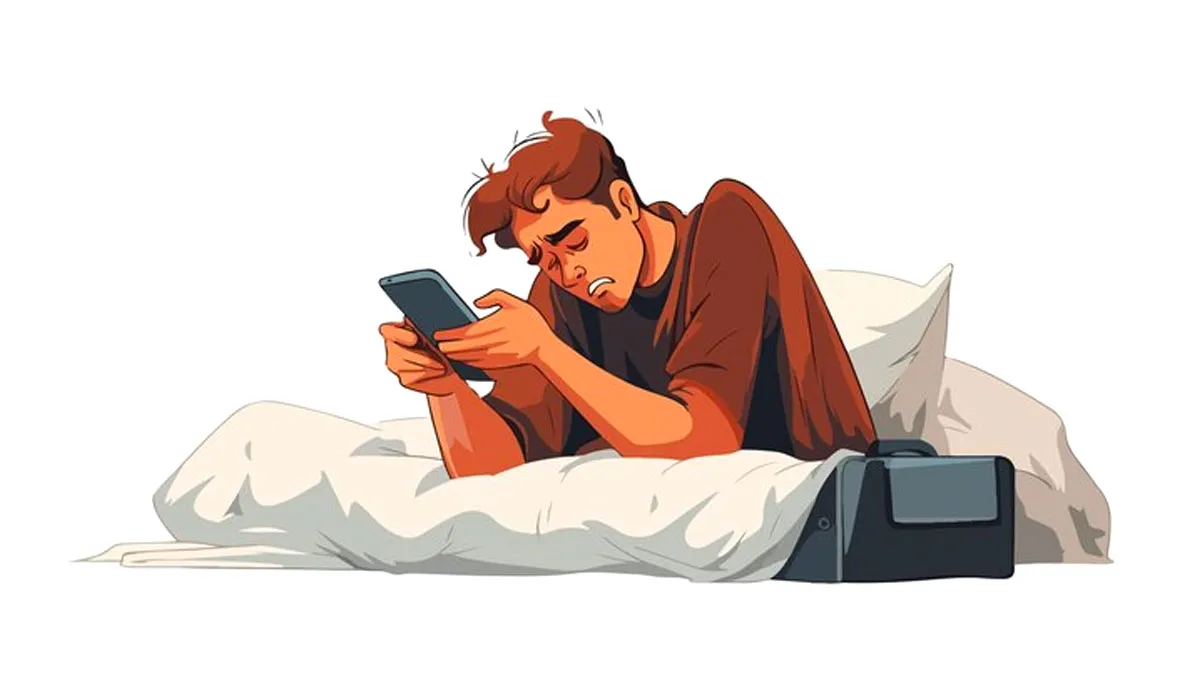
Dr Sharadhi says that brain fog after hours of scrolling is often linked to mental fatigue caused by continuous digital stimulation. The expert further explains, “Social media, videos, messages and news provide a stream of new information, requiring the brain to repeatedly shift attention. This frequent switching can make it harder to concentrate on one task and may leave you mentally tired, distracted or unable to think clearly.”
She continues, “Scrolling can also create a cycle of anticipation and reward. New posts, likes, messages and videos can provide bursts of pleasure, encouraging you to keep checking for something new. Because content changes quickly, the brain gets little opportunity to settle into sustained attention. Over time, this can make slower activities, such as reading, studying or working, feel less stimulating.”
Dr Sharadhi adds, “Another factor is information overload. When you consume large amounts of information without enough breaks, your brain has to process, filter and remember details. Emotional or negative content can add stress. If scrolling continues late at night, the bright screen and stimulating content may also delay sleep and reduce sleep quality, making concentration worse.”
 digital overload 1
Tips To Deal With Digital Overload
You can deal with this digital overload with the help of some simple lifestyle changes. Dr Sharadhi shares some effective tips for the same:
Take a Break From Scrolling
The first step is to create breaks. After 30 to 60 minutes of screen use, take a few minutes to stand up, walk, stretch or look away from the screen. Turning off notifications can reduce distractions. Setting specific times for checking social media can prevent automatic scrolling.
Replace Screen Time With Other Activities
It is useful to replace some screen time with activities that allow the mind to slow down, such as walking, exercising, talking with someone, reading a book or spending time outdoors. Keeping the phone away during meals and before bedtime can also help.
Create Boundaries with Your Screen
Do not blame yourself for feeling tired after prolonged scrolling. Digital platforms are designed to capture attention. Building boundaries around their use can help your brain recover, improve focus and make activities feel easier and more manageable.
 digital overload 2
How Doomscrolling Affects Your Brain
Dr Madhusudhan says that doomscrolling refers to the behavior when individuals consume negative news from social media. The expert lists the side effects of doomscrolling:
- The brain experiences negative effects from the continuous exposure to distressing content, which produces an ongoing state of alertness that activates the body's stress response system.
- The body produces increased cortisol levels, which result in long-term effects that produce fatigue, anxiety, and difficulty with concentration.
- The brain develops a stronger sensitivity to dangers because of the continuous exposure to negative content, which establishes fear-based thought patterns throughout multiple brain regions.
- This leads to a dopamine imbalance, which results in decreased capacity to experience joy and contentment.
- People who engage in doomscrolling activities during late-night hours face two major consequences – their brain activity increases beyond normal limits, and their ability to sleep naturally becomes disrupted.
- This habitual behavior leads to worse anxiety and depressive symptoms, which result in mental exhaustion for the person.
 digital overload 3
According to the Mental Health Foundation UK, here are some tips to manage doomscrolling:
- Turn off push notifications: This can help you take a break from anxiety-provoking information.
- Use a watch or an alarm clock: Many people use their phone as an alarm clock and keep it beside their bed while sleeping. This often creates the habit of doomscrolling in bed at night. Switch to a watch or a physical alarm clock to prevent this.
- Manage your social media feeds: Make changes to what appears on your feed by blocking or hiding negative profiles.
- Set a time limit: Try to set a time limit on how much you scroll, and stick to it.
- Consider phone-free zones: Create a ‘no-phone zone’ in your home. This can help lessen the time spent online.
- Balance the negative with a positive: Try to balance online scrolling with positive activities such as mindfulness, reading, spending time with others, and exercising.
ALSO READ- What is Pure OCD? Expert Explains Hidden Symptoms Most People Miss
Conclusion
Continuous scrolling can cause mental fatigue, brain fog and dopamine imbalances. This may leave your brain overwhelmed due to constant context-switching and information overload. To deal with this digital overload, experts recommend setting strict screen-time boundaries, disabling push notifications, and replacing endless scrolling with calming offline activities such as reading and walking. By intentionally breaking the cycle of constant stimulation, you can reduce your stress levels, improve your sleep quality, and restore your ability to focus.
FAQ
What is a digital overload?
Digital overload is the mental and emotional exhaustion caused by using digital devices too much and dealing with a non-stop flood of information.How to cure digital fatigue?
You can cure digital fatigue by setting strict screen boundaries, taking regular physical breaks, and simplifying your online environment.
All possible measures have been taken to ensure accuracy, reliability, timeliness and authenticity of the information; however Onlymyhealth.com does not take any liability for the same. Using any information provided by the website is solely at the viewers’ discretion. In case of any medical exigencies/ persistent health issues, we advise you to seek a qualified medical practitioner before putting to use any advice/tips given by our team or any third party in form of answers/comments on the above mentioned website.

How we keep this article up to date:
We work with experts and keep a close eye on the latest in health and wellness. Whenever there is a new research or helpful information, we update our articles with accurate and useful advice.
-
Current Version
Sep 21, 2026 13:31 IST
Published By : Shruti Das
Reviewed By : Dr Sharadhi C