
Earbuds have become a daily habit for most of us, worn during commutes, workouts, calls, and everything in between. But could all those hours be quietly affecting your hearing? "Yes, prolonged and frequent earbud use, especially at high volumes, can gradually damage hearing over time," says an ENT expert. Read on to know more about it as here is what the doctor wants earbud users to understand.
How Do Earbuds Actually Damage Your Ears?
Dr Rohit Udaya Prasad, Lead and Senior Consultant, ENT and Cochlear Implants, at KIMS Hospitals, Electronic City, Bengaluru explains that the risk isn't just about how loud the sound is, but also how long and how often the ears are exposed to it, since earbuds sit closer to the eardrum than external speakers and can deliver sound at higher intensities directly into the ear canal.
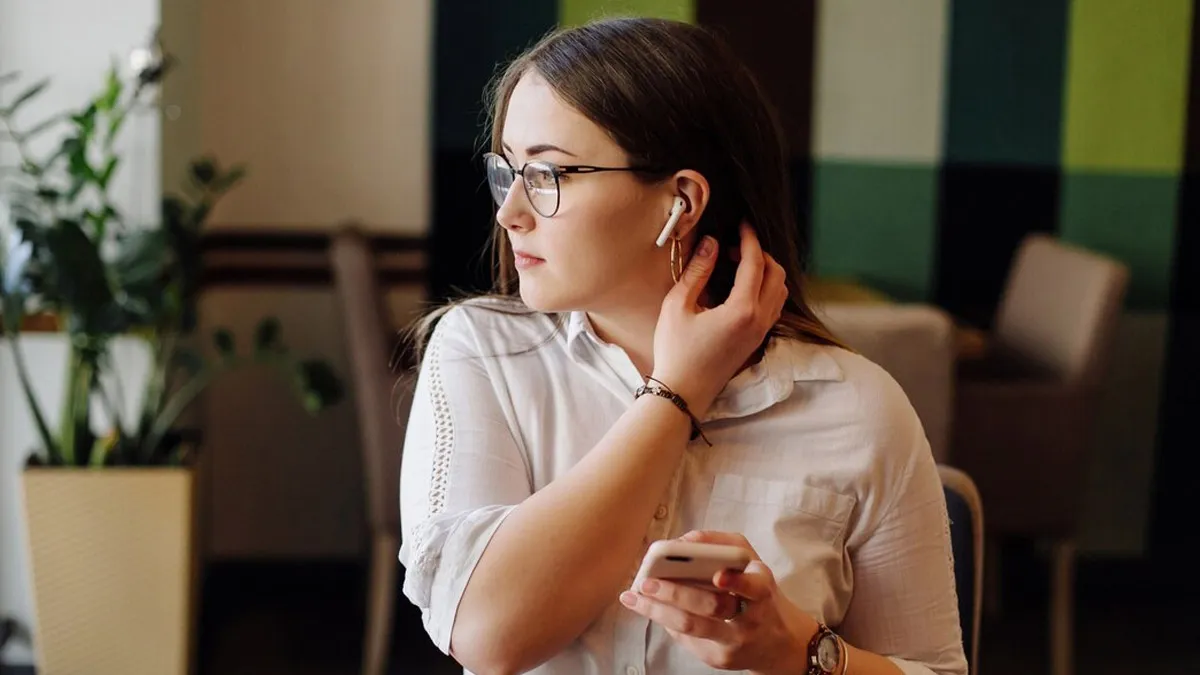
He breaks down the specific mechanisms involved:
- Prolonged exposure to loud sound can damage the tiny hair cells inside the inner ear. They are responsible for detecting sound, and these cells don't regenerate once damaged.
- Earbuds sit close to the eardrum, so sound reaches the inner ear at higher intensity compared to external speakers at the same volume setting.
- Continuous use for hours, even at moderate volume, doesn't give the ears adequate recovery time between exposures.
- Poor fitting earbuds can lead users to increase volume further to block out background noise, compounding the risk.
- Earwax buildup from prolonged earbud use can also contribute to a feeling of blocked hearing over time, separate from actual hearing damage.
According to a 2022 literature review published in Cureus, researchers examined 23 studies from around the world looking at earphone and headphone use and its link to noise induced hearing loss. Personal music players can reach volumes as high as 78 to 136 decibels, loud enough to cause real harm over time.
One notable study found students who wore earphones for two or more hours daily had noticeably higher rates of hearing loss than those who used them less. Another found teenagers exposed to loud sound through headphones in noisy settings were over four times more likely to develop hearing problems.
How Long Should You Actually Wear Earbuds in a Day?
There isn't one fixed number that applies to everyone, according to Dr Prasad, since it depends on volume level as well as duration.
As a general guide, he points to a widely recommended standard. Many hearing health experts suggest following the 60/60 rule, keeping volume at around 60 percent of maximum and limiting continuous listening to about 60 minutes at a time, with breaks in between. Total daily use is generally recommended to stay well within a few hours, with regular breaks rather than continuous all day wear.
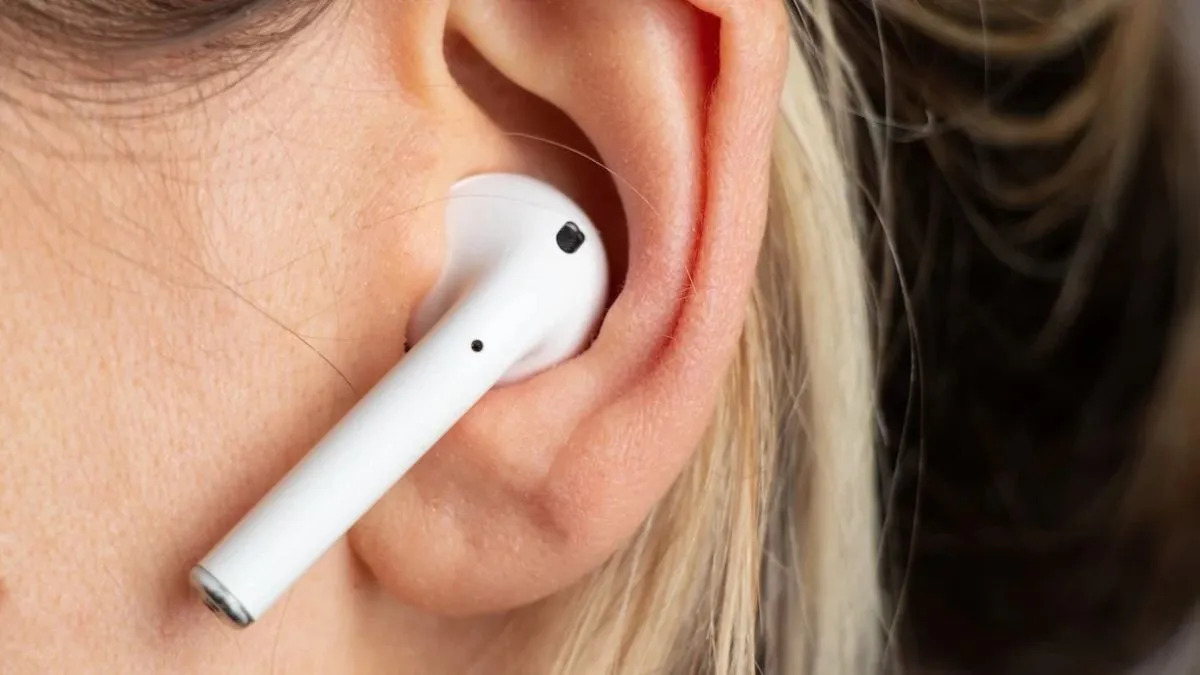 Earbuds Every Day
According to a 2025 study published in the Journal of Audiology and Otology, earphone related ear infections were more common in people who used earphones for longer than one hour at a stretch.
A prior history of bacterial or fungal infections, such as athlete's foot, also raised the risk. Those who'd had a recent ear infection were more likely to experience it again too. These factors matter because earphones sit directly in the ear canal, creating a warm, closed environment where bacteria can grow more easily with prolonged or repeated use.
What Exactly Is the 60/60 Rule?
Dr Prasad describes it simply. It's a simple guideline for safer earbud use, keeping volume at around 60 percent of maximum, and limiting continuous listening to about 60 minutes at a time, followed by a short break.
He explains why this matters. This addresses both loudness and duration together, since either one alone can cause cumulative hearing damage over time. As he puts it, it's a practical habit rather than a strict medical rule, useful for anyone who wears earbuds for long stretches regularly.
What Are Easy Ways to Keep Your Ears Safe While Using Earbuds?
Dr Prasad shares a practical checklist for anyone who relies on earbuds daily:
- Follow the 60/60 rule as a general guide for volume and duration.
- Take regular breaks, giving ears time to rest rather than wearing earbuds continuously for hours.
- Use noise cancelling earbuds in noisy environments, which reduces the need to raise volume to block out background sound.
- Choose well fitting earbuds, since a poor seal often leads to compensating with higher volume.
- Avoid sleeping with earbuds in, which can lead to prolonged, unmonitored exposure.
- Periodically check volume levels against a phone's built in sound level indicators, where available, to stay aware of actual exposure.
Who Should Be Extra Careful With Earbud Use?
Some groups face a higher risk than others, according to Dr Prasad:
- People who already have some hearing loss or ringing in the ears, since further exposure can worsen existing damage.
- Children and teenagers, whose ears may be more sensitive to prolonged loud exposure, and who often aren't as mindful of volume levels.
- Those with a family history of hearing loss, who may have a genetic predisposition to inner ear damage.
- People who work in already noisy environments, since their ears are getting cumulative exposure from multiple sources throughout the day.
Anyone who frequently listens at high volumes to block out background noise rather than using noise cancelling features, since this pattern significantly increases risk over time.
ALSO READ- How to Know If Ear Pain Is Serious? An ENT Expert Explains
Conclusion
Daily earbud use isn't inherently dangerous, but volume, duration, and consistency all play a role in how much cumulative strain your ears take on. Following simple guidelines like the 60/60 rule, choosing well fitting earbuds, and taking regular breaks can go a long way in protecting your hearing for the long term, especially if you're someone who wears earbuds for hours at a stretch.
FAQ
1. Can hearing damage from earbuds be reversed once it happens?
In most cases, no. Hearing damage caused by harm to the inner ear's hair cells is typically permanent, since these cells don't regenerate once damaged. This is exactly why prevention through safer listening habits matters far more than hoping to reverse damage after the fact.2. Are wired earphones safer for your hearing than wireless earbuds?
The type of earbud, wired or wireless, doesn't significantly change the hearing risk on its own, since the main factors are volume and duration of exposure rather than the technology itself. What matters more is how loud and how long you're listening, regardless of whether the earbuds are connected by a cable or Bluetooth.
All possible measures have been taken to ensure accuracy, reliability, timeliness and authenticity of the information; however Onlymyhealth.com does not take any liability for the same. Using any information provided by the website is solely at the viewers’ discretion. In case of any medical exigencies/ persistent health issues, we advise you to seek a qualified medical practitioner before putting to use any advice/tips given by our team or any third party in form of answers/comments on the above mentioned website.

How we keep this article up to date:
We work with experts and keep a close eye on the latest in health and wellness. Whenever there is a new research or helpful information, we update our articles with accurate and useful advice.
-
Current Version
Aug 10, 2026 18:38 IST
Published By : Vivek Kumar
Reviewed By : Dr Rohit Udaya Prasad